

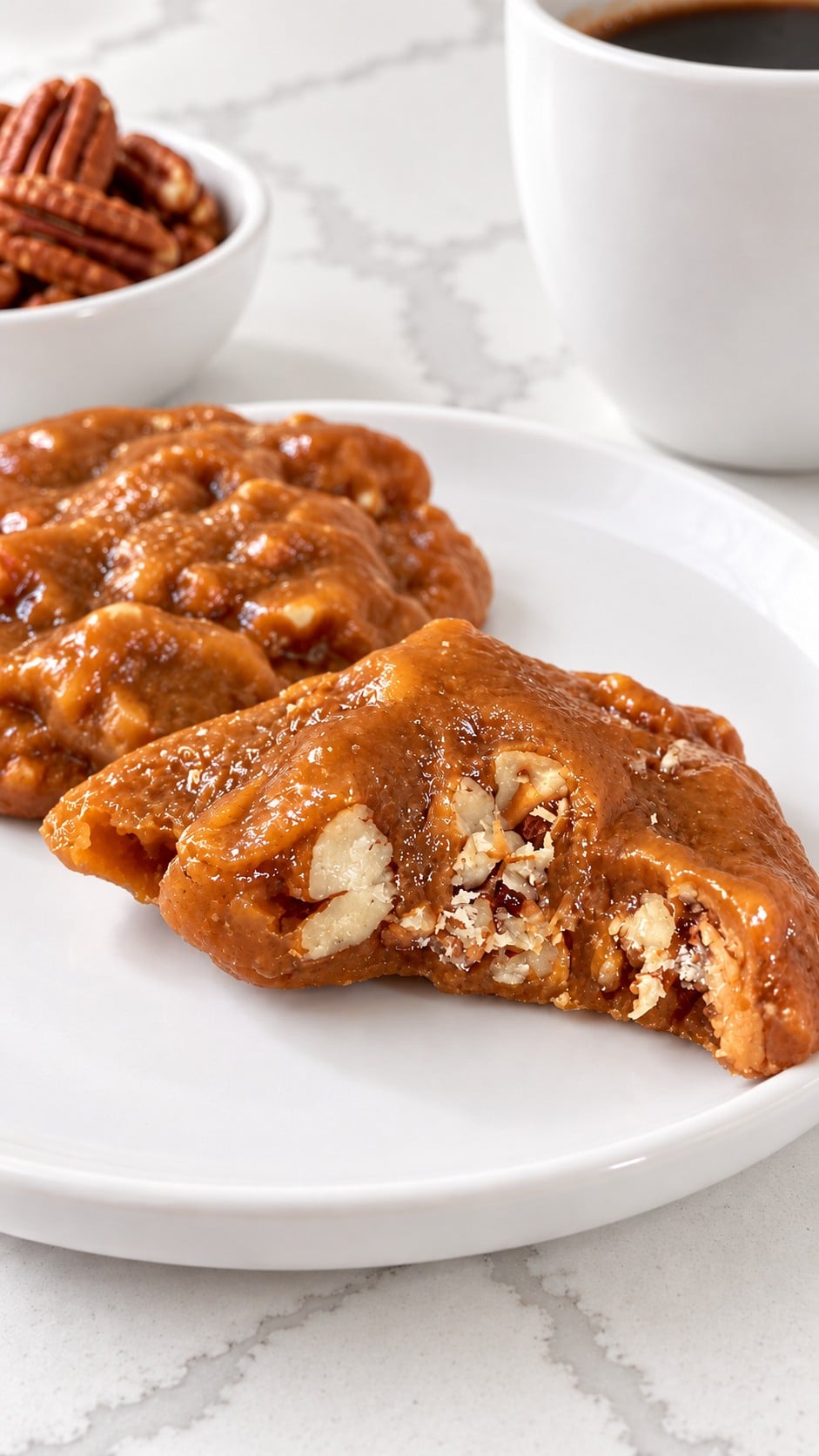
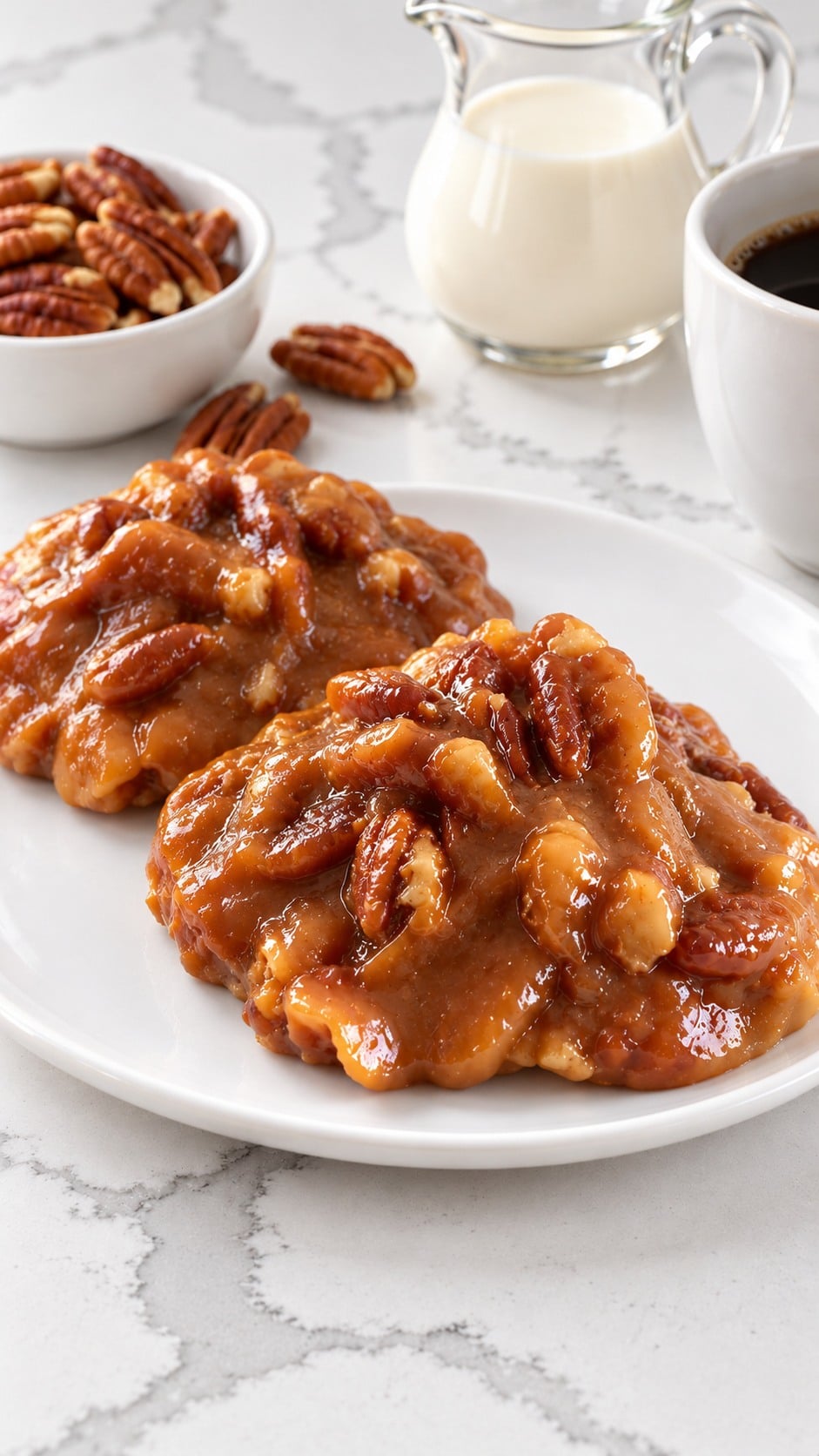
Chewy Texas pecan pralines are toasted pecan pieces held together with buttery caramel that gives when you bite it. Dark brown sugar, light and dark corn syrups, salted butter, cream, and vanilla bean paste make a rich candy with plenty of nutty crunch.
The important part is the sequence: cook the sugar and syrups to 250°F, add the butter and cream off the heat, then cook the caramel to 242°F. After the pecans go in, wait until a spoonful mounds before you portion it. The thermometer handles the cooking; that little spoon test handles the timing at the tray.
Texas Chewie Flavor, Homemade Method
If you came looking for lammes candy or the Texas Chewie style of pecan praline, the appeal is that tender caramel chew around toasted nuts. Lammes Candies identifies Texas Chewie® as its pecan praline; this is a homemade recipe, not the company's proprietary formula or an affiliated product.
Set aside 10 minutes for prep, 35-40 minutes for cooking, and another 1-2 hours for the candy to set. The batch makes about 24 pralines, with the exact count depending on your heaping tablespoonfuls.
This post may contain affiliate links. I may receive commissions for purchases made through links in this post.
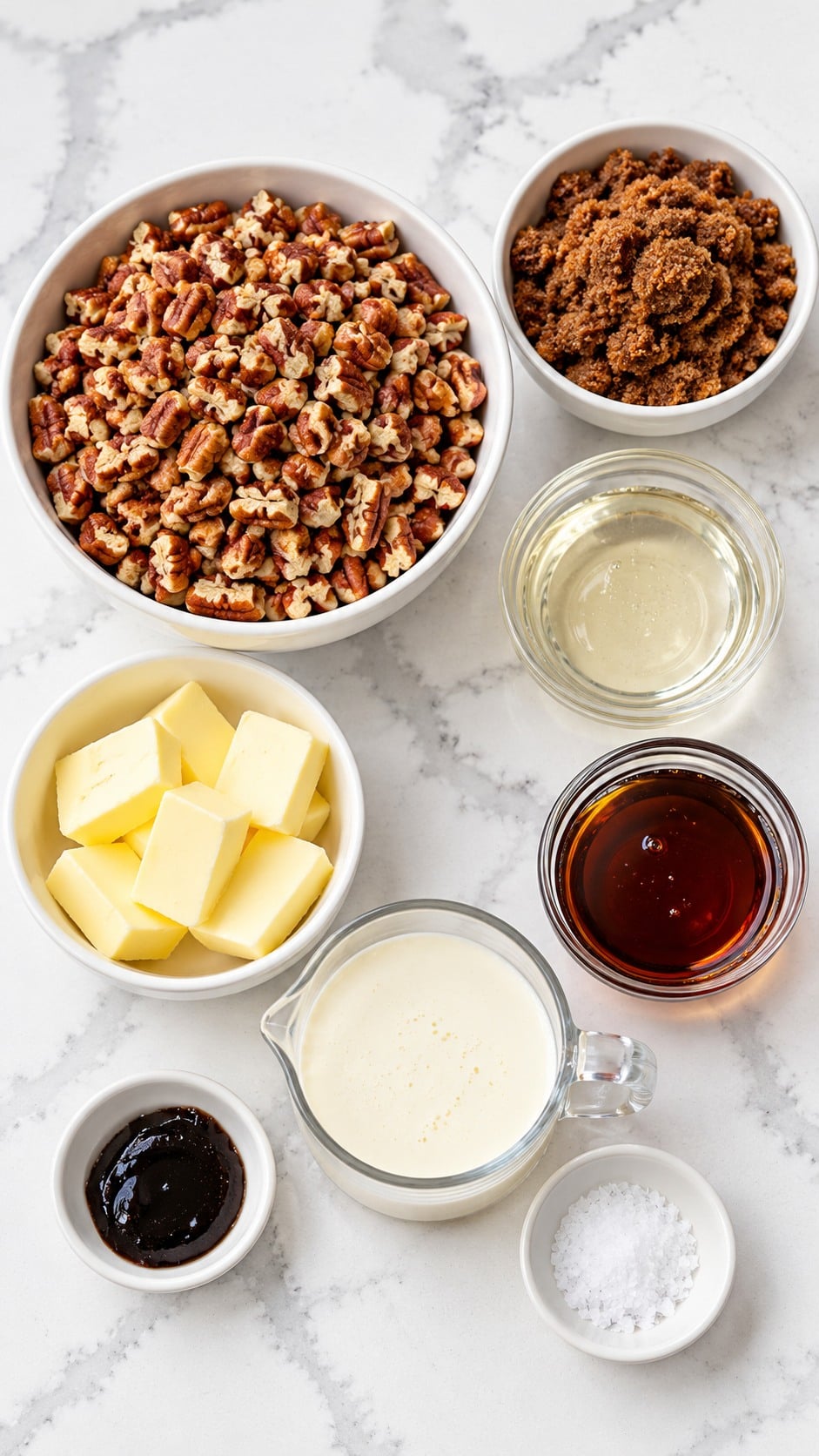
Ingredients You'll Need
- Pecan pieces: toast before adding to the caramel.
- Dark brown sugar: pack it for measuring.
- Light corn syrup: used together with the dark syrup.
- Dark corn syrup: gives this combination its deeper flavor.
- Salted butter: cut into pieces for adding gradually.
- Heavy cream: pour slowly into the hot syrup.
- Vanilla bean paste: stir in after cooking.
- Kosher salt: stir in with the pecans and vanilla.
 Buy Now →
 Buy Now →
 Buy Now →
 Buy Now →
 Buy Now →
 Buy Now →
 Buy Now →
 Buy Now →

Ingredient Notes & Substitutions
Use ½ teaspoon vanilla extract in place of the vanilla bean paste. For another pantry project, see my homemade vanilla bean paste. If you need to use only light corn syrup, use ½ cup total; the pralines will have a milder flavor.
The tested recipe uses salted butter. Unsalted butter also works as noted in the supplied recipe; adjust the added salt to taste. Keep the pecans as pieces so each spoonful holds a mixture of nuts and caramel.
Tools That Make It Easier
- Rimmed baking sheet for toasting pecans
- Separate baking sheet for setting pralines
- Parchment paper
- Heavy 3-quart saucepan
- Candy thermometer
- Heatproof spoon for stirring and portioning
- Measuring cups and spoons
- Airtight container for storage
 Buy Now →
 Buy Now →
 Buy Now →
 Buy Now →
 Buy Now →

Rubbermaid Brilliance Storage Containers
Buy Now →How to Make Chewy Texas Pecan Pralines
Toast the pecans and prepare the tray
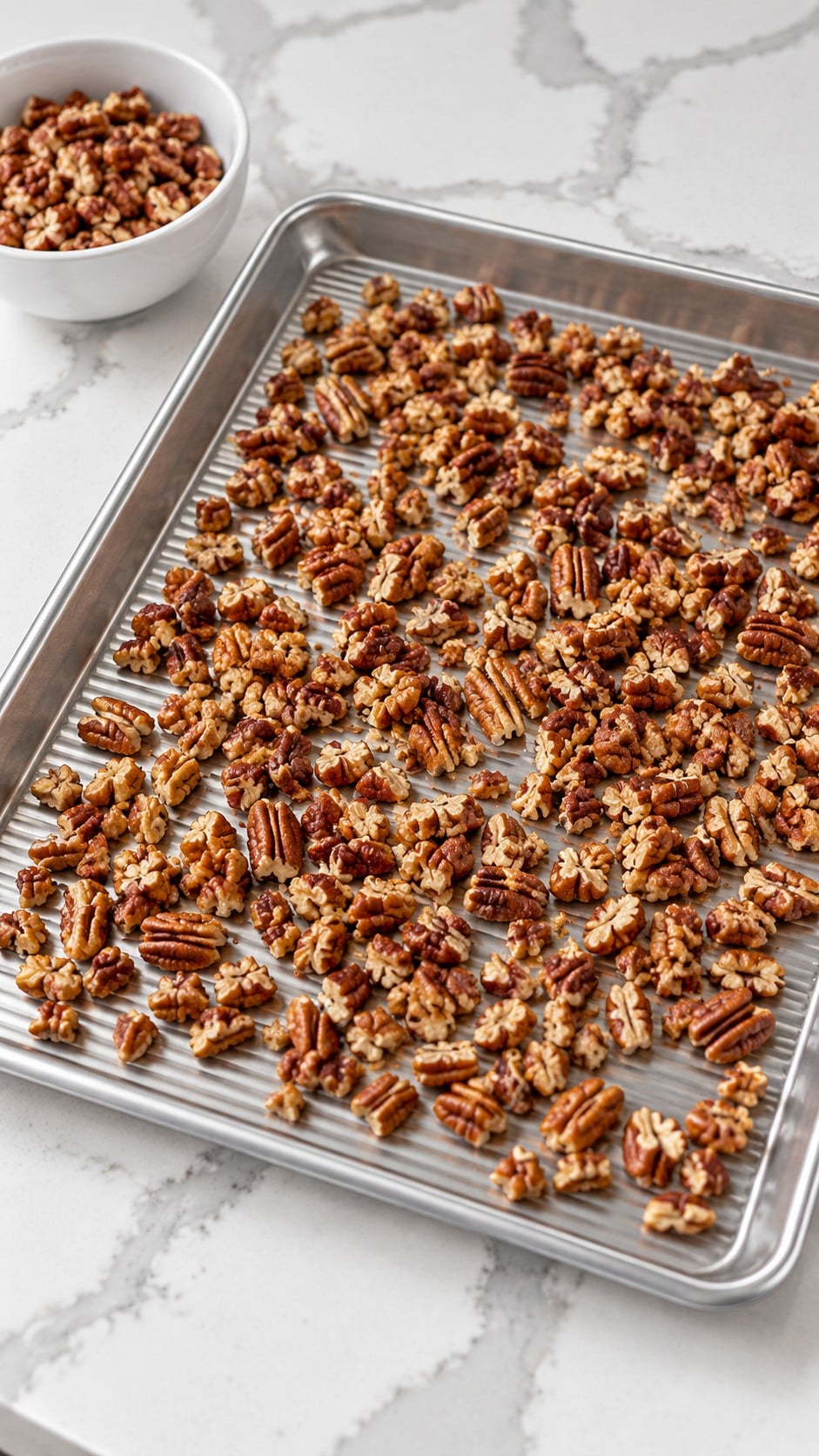
Heat the oven to 375°F. Toast the pecan pieces on a rimmed baking sheet for 6-8 minutes, stirring once, until fragrant and lightly browned; set aside and line a separate baking sheet with parchment.
Cook the sugar and syrups to 250°F
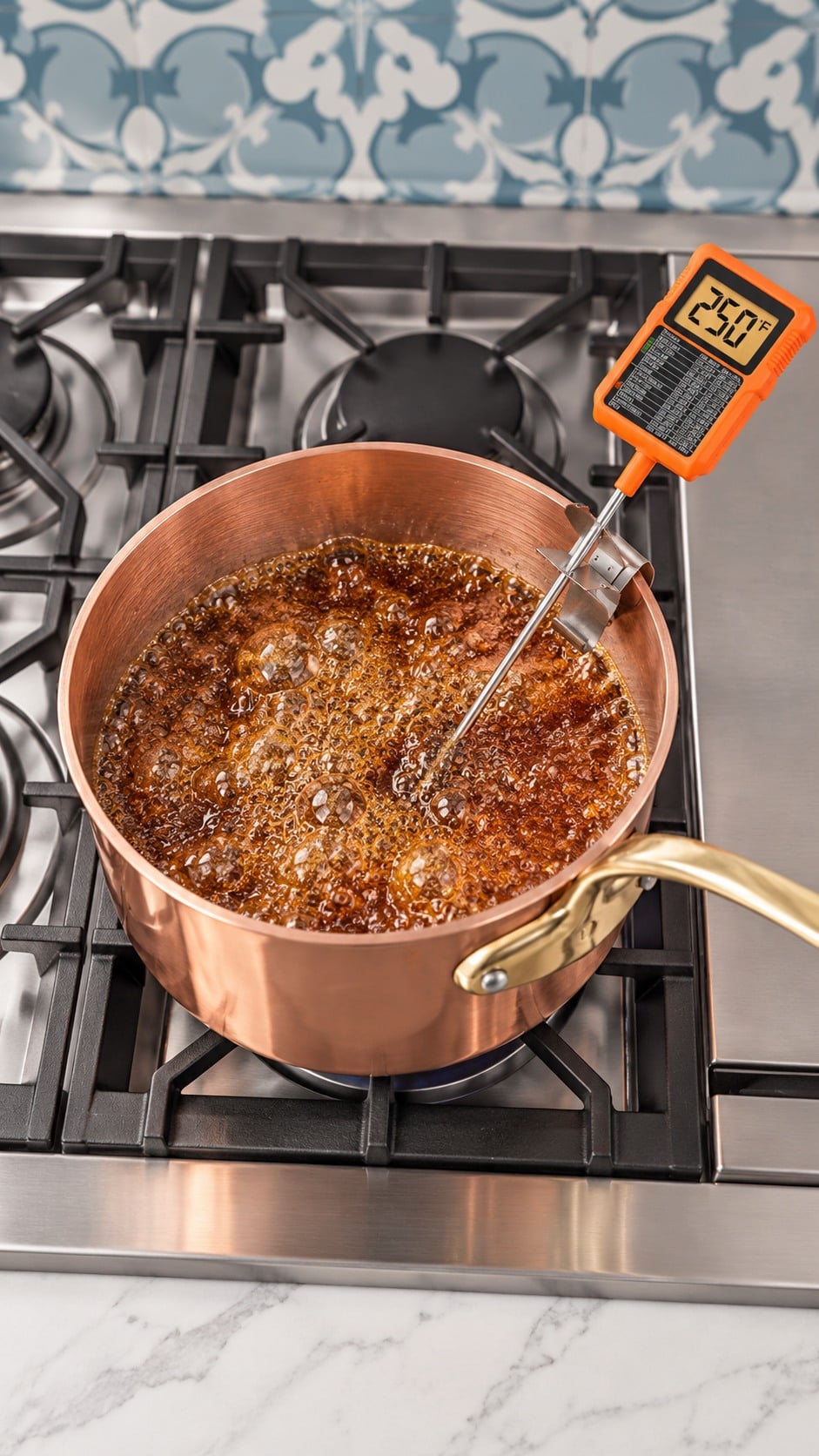
Combine the dark brown sugar and both corn syrups in a heavy 3-quart saucepan, then heat over medium heat. Keep the thermometer tip in the syrup without touching the pan bottom and cook to 250°F, about 10-15 minutes, stirring only as needed to prevent scorching.
Add the butter and cream off the heat
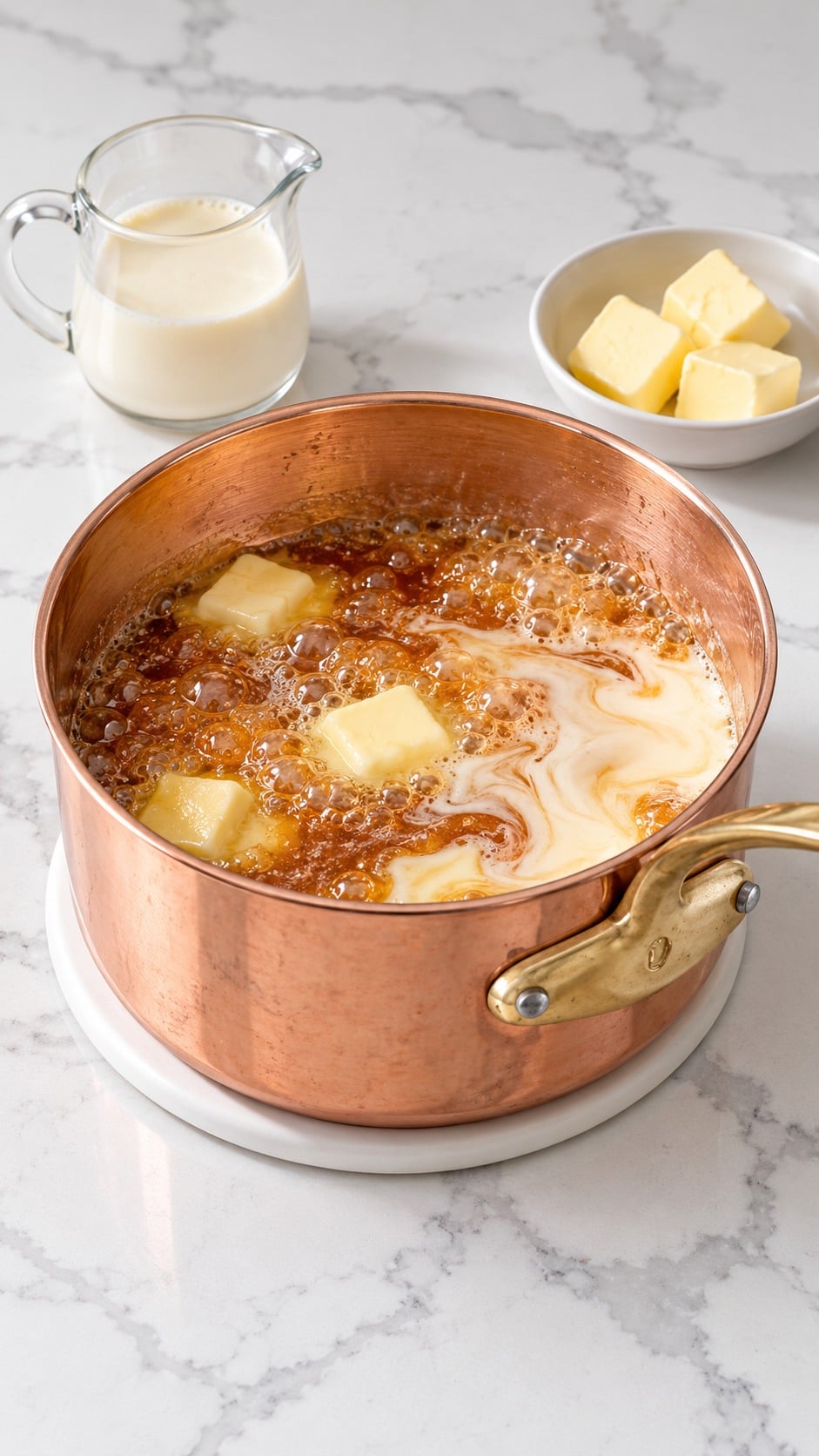
Move the pan off the heat and carefully stir in the salted butter a few pieces at a time. Slowly add the heavy cream and stir until incorporated; expect vigorous bubbling.
Cook the caramel to 242°F
Return the pan to medium-low heat and maintain a gentle boil, stirring constantly and scraping the bottom and corners. Cook to 242°F, about 12-15 minutes, increasing the heat slightly if needed to keep the temperature rising.
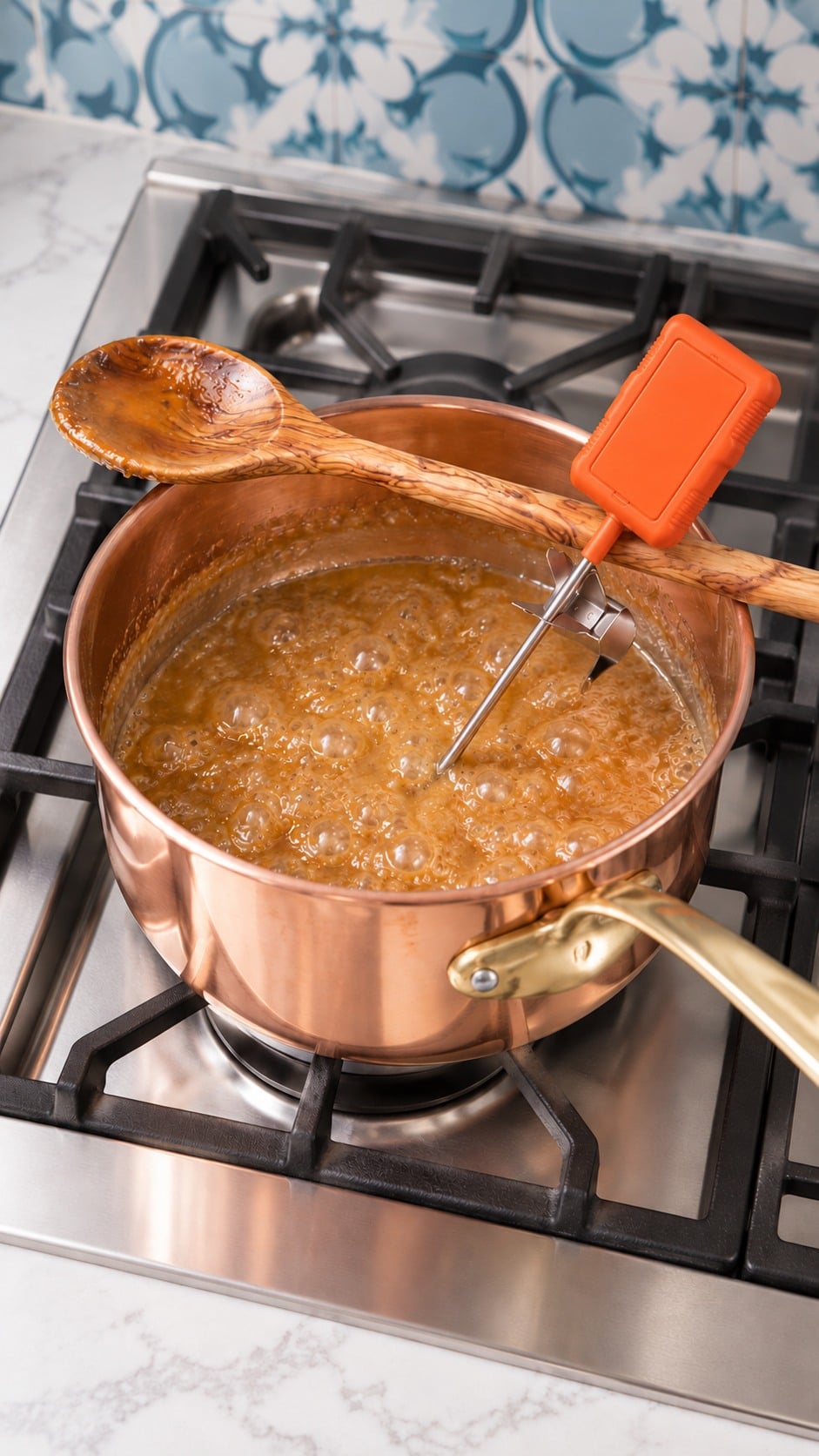
Add pecans and check the mounding cue
Remove the pan from the heat and stir in the toasted pecans, vanilla bean paste, and kosher salt. Cool briefly, stirring occasionally, until a spoonful forms a mound instead of spreading into a thin puddle.
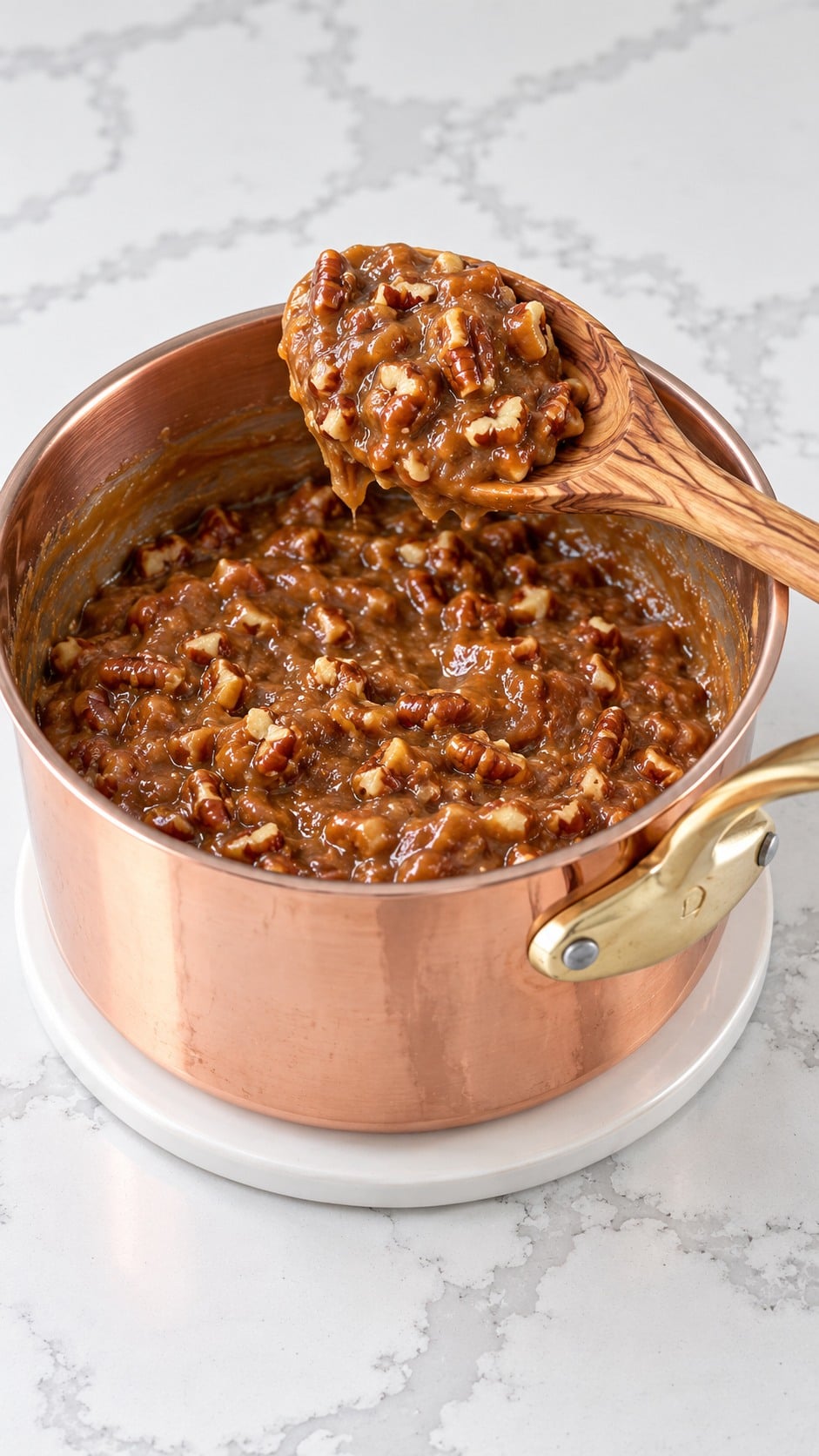
Portion and let the pralines set
Drop heaping tablespoonfuls onto the prepared parchment with space between them; if the first portion spreads too much, let the mixture thicken a little longer. Leave at room temperature for 1-2 hours, until cool and firm enough to lift from the parchment.
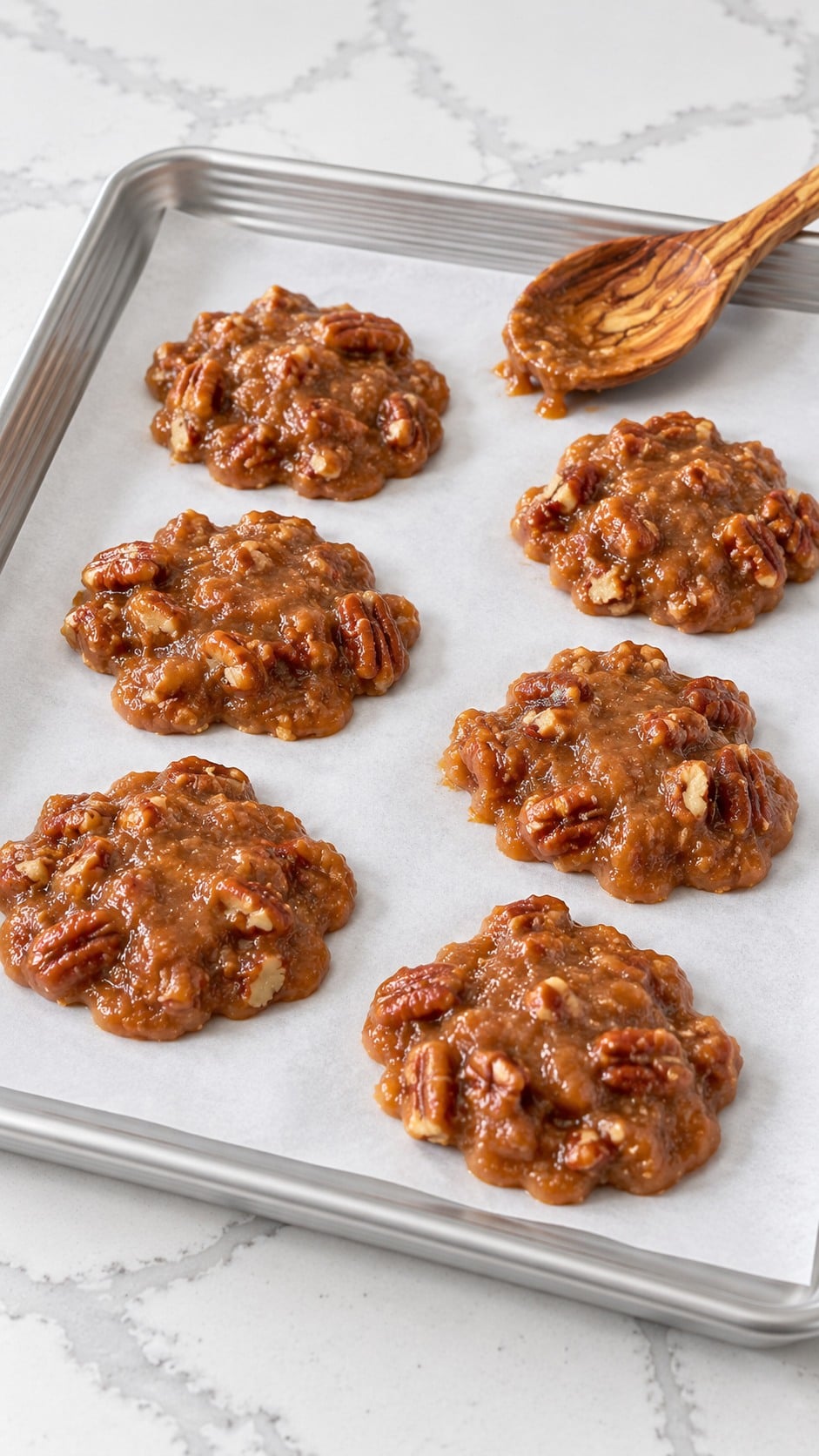
Tips for the Right Chewy Texture
- Keep the thermometer off the bottom. Its tip needs to measure the syrup, not the pan.
- Change how you stir at the right stage. The first syrup stage needs stirring only as necessary; after the butter and cream, stir constantly and scrape the corners.
- Let the first spoonful guide you. If it spreads into a thin puddle, give the mixture a little more time to thicken before shaping the rest.
- Judge the candy at room temperature. Refrigerating it to test the set can give you the wrong impression of its final texture.
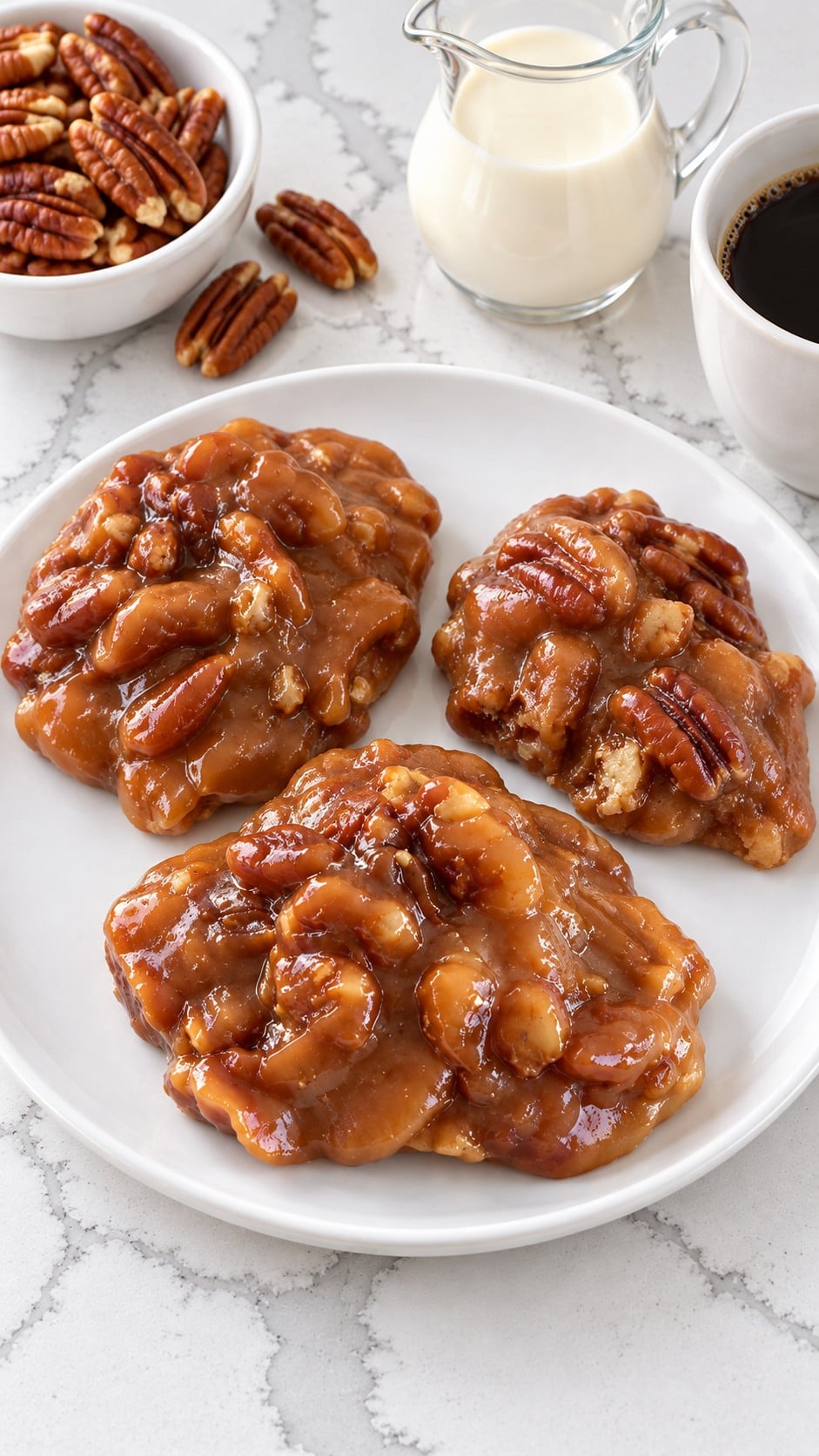
Keeping Pralines Fresh
Keep the pralines in an airtight container at cool room temperature for up to 1 week, separating the layers with parchment. In a warm kitchen, refrigerate for up to 2 weeks and bring them to room temperature before serving.
For longer storage, wrap them individually or separate them with parchment and freeze in an airtight container for up to 2 months. Thaw in the closed container before unwrapping.
What to Serve with Chewy Texas Pecan Pralines
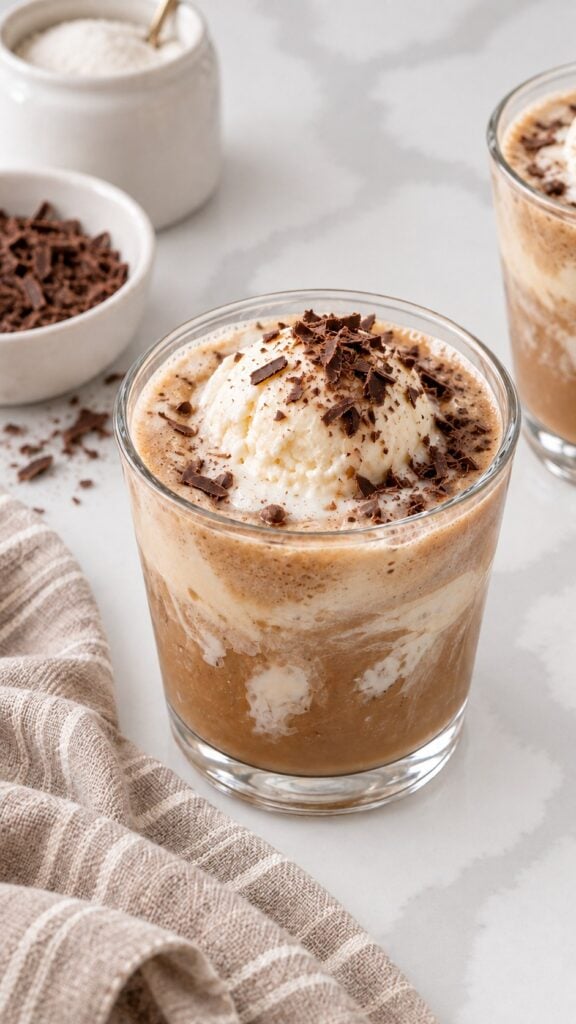
Serve the pralines at room temperature with coffee or black tea, or chop a few over vanilla ice cream. For a gathering, Coffee Punch offers a cold coffee option; keep the candy on the side so its chewy texture stays distinct. For a dessert tray, add cinnamon-sugar Candied Pecans and chocolate-covered Peanut Butter Balls.
Coffee Punch

Candied Pecans

Peanut Butter Balls
Questions Before You Cook
Why does the recipe use two cooking temperatures?
The 250°F target applies to the brown sugar and corn syrups before dairy is added. The 242°F target applies after the butter and cream are incorporated; follow those stages in order rather than treating either number as a replacement for the other.
Do I beat these pralines until they look grainy?
No. This tested method calls for brief cooling with occasional stirring until a spoonful holds a mound. Follow that cue rather than adding a beating step intended for a different style of praline.
Does the oven temperature apply to the candy?
The 375°F oven is for toasting the pecans only. The caramel cooks in the saucepan, and the portioned pralines set at room temperature.
Get More Recipes Like This
If you loved this recipe, make sure you join my email list. I send out my best weeknight dinners, holiday favorites, and reader-requested recipes straight to your inbox.
I'll also send you My 5 Chef Secrets that instantly elevate your cooking-the exact techniques I use in my own kitchen.
Tell Me How It Turned Out
Leave a comment and tell me who you made these for-or whether a few disappeared before they reached the gift box. If you made the recipe, please leave an honest rating and review to help other readers.
More Recipes You Might Like
If you enjoy making caramel, try my Mexican Vanilla Caramels, a separate goat-milk candy. Saltine Cracker Toffee brings a crisp texture, and Pecan Pie Cobbler is a spoonable dessert for another pecan occasion.

Mini Pretzel Turtles

Mexican Vanilla Caramels

Saltine Cracker Toffee

Pecan Pie Cobbler
Recipe
PrintChewy Texas Pecan Pralines

These chewy Texas pecan pralines wrap toasted pecan pieces in rich, buttery caramel with dark brown sugar, two corn syrups, cream, and vanilla bean paste.
- Prep Time: 10 minutes
- Setting time: 120 minutes
- Cook Time: 40 minutes
- Total Time: 170 minutes
- Yield: About 24 pralines 1x
- Category: Candy
- Method: Stovetop
- Cuisine: American
Ingredients
- 2 cups pecan pieces
- ½ cup packed dark brown sugar
- ¼ cup light corn syrup
- ¼ cup dark corn syrup
- ½ cup salted butter, cut into pieces
- ½ cup heavy cream
- ½ teaspoon vanilla bean paste
- ¼ teaspoon kosher salt
Instructions
- Heat the oven to 375°F. Spread the pecans on a rimmed baking sheet and toast for 6-8 minutes, stirring once, until fragrant and lightly browned. Set aside. Cover a separate baking sheet with parchment paper. Have a heatproof spoon and candy thermometer ready.
- Combine the dark brown sugar and both corn syrups in a heavy 3-quart saucepan. Heat over medium heat with the thermometer tip in the syrup, without touching the pan bottom. Cook to 250°F, approximately 10-15 minutes, stirring only as needed to prevent scorching.
- Move the saucepan off the heat. Carefully stir in the salted butter a few pieces at a time. Slowly add the cream, stirring until incorporated. The mixture will bubble vigorously.
- Return the pan to medium-low heat. Maintain a gentle boil, stirring constantly and scraping the bottom and corners, until the mixture reaches 242°F, about 12-15 minutes. Increase the heat slightly if needed to keep the temperature rising.
- Remove from the heat. Stir in the toasted pecans, vanilla bean paste, and salt. Cool briefly, stirring occasionally, until a spoonful forms a mound rather than spreading into a thin puddle.
- Drop heaping tablespoonfuls onto the parchment, leaving space between each praline. If the first portion spreads too much, allow the mixture to thicken a little longer. Leave at room temperature until cool and firm enough to lift from the parchment, approximately 1-2 hours.
Equipment
Buy Now →
Buy Now →
Buy Now →
Buy Now → Rubbermaid Brilliance Storage Containers
Buy Now →
Buy Now → Notes
Timing: Prep 10 minutes; cook 35-40 minutes; setting 1-2 hours. Allow approximately 1 hour 45 minutes to 2 hours 50 minutes overall. The displayed 40-minute cook time and 170-minute total use the upper bounds, including setting.
Substitutions: Use ½ teaspoon vanilla extract instead of vanilla bean paste. Unsalted butter also works; adjust the added salt to taste.
Corn syrup: If necessary, use ½ cup light corn syrup instead of the combination for a milder flavor.
Texture: Follow the thermometer readings; times vary with the pan and burner. Do not refrigerate to judge final texture.
Serving: Serve at room temperature with coffee or black tea, add to a dessert tray, or chop over vanilla ice cream.
Storage: Airtight at cool room temperature for up to 1 week, layers separated by parchment. In a warm kitchen, refrigerate for up to 2 weeks and bring to room temperature before serving.
Freezing: Wrap individually or separate with parchment; freeze airtight up to 2 months. Thaw in the closed container before unwrapping.





Comments
No Comments