

Homemade vanilla bean paste is a thick, speckled blend of whole vanilla beans, water, sugar, vodka, light corn syrup, and xanthan gum. This no-cook blender recipe makes about 2½ cups for bakers who want rich vanilla flavor and visible bean flecks in cakes, custards, and frosting. Allow 15 minutes to prep and about 3 minutes to blend.
I keep homemade vanilla extract in my pantry, too, but paste is the one I reach for when I want those little flecks to show. Think whipped cream, a pale frosting, or a simple custard where vanilla gets its own moment.
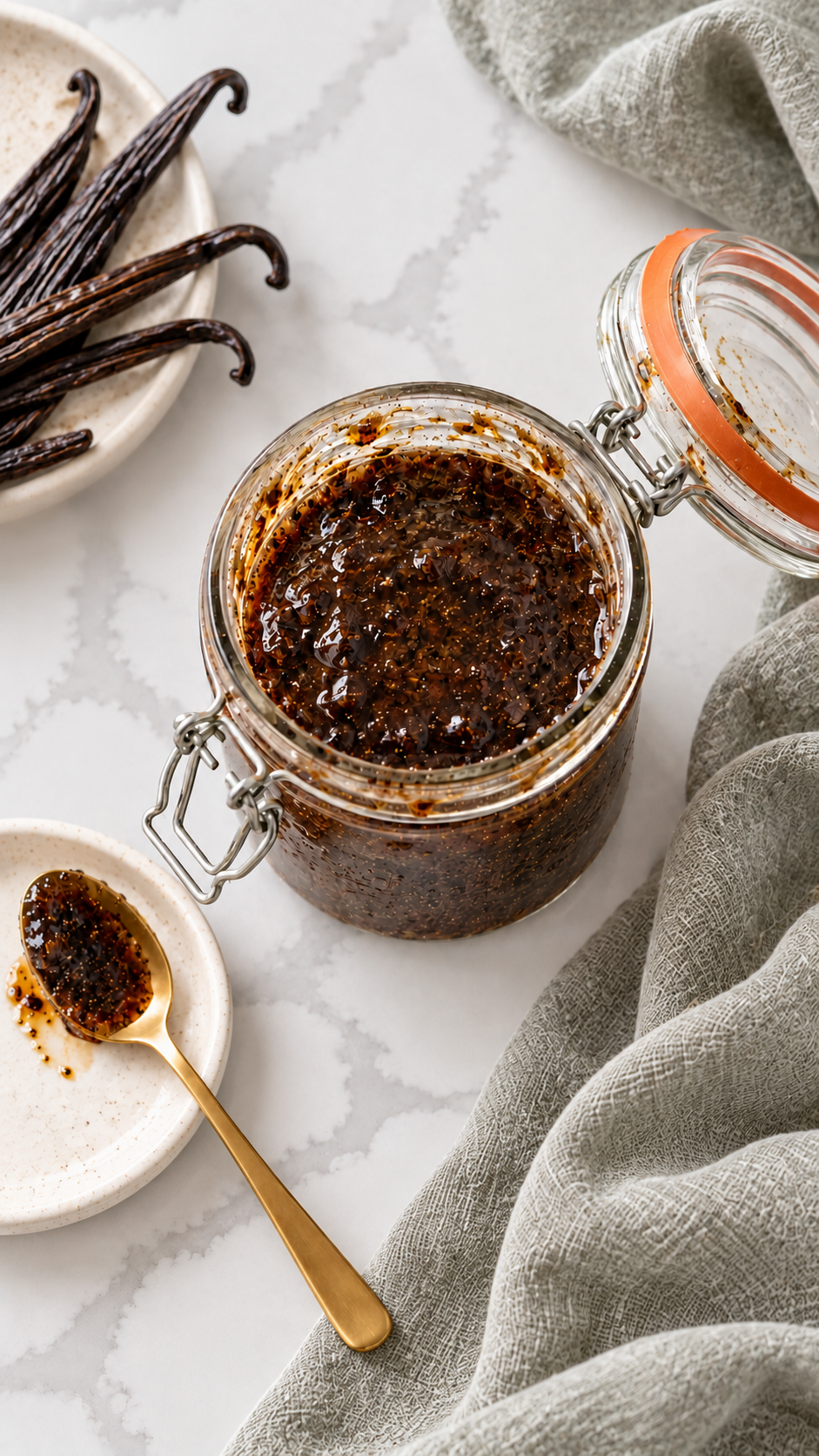
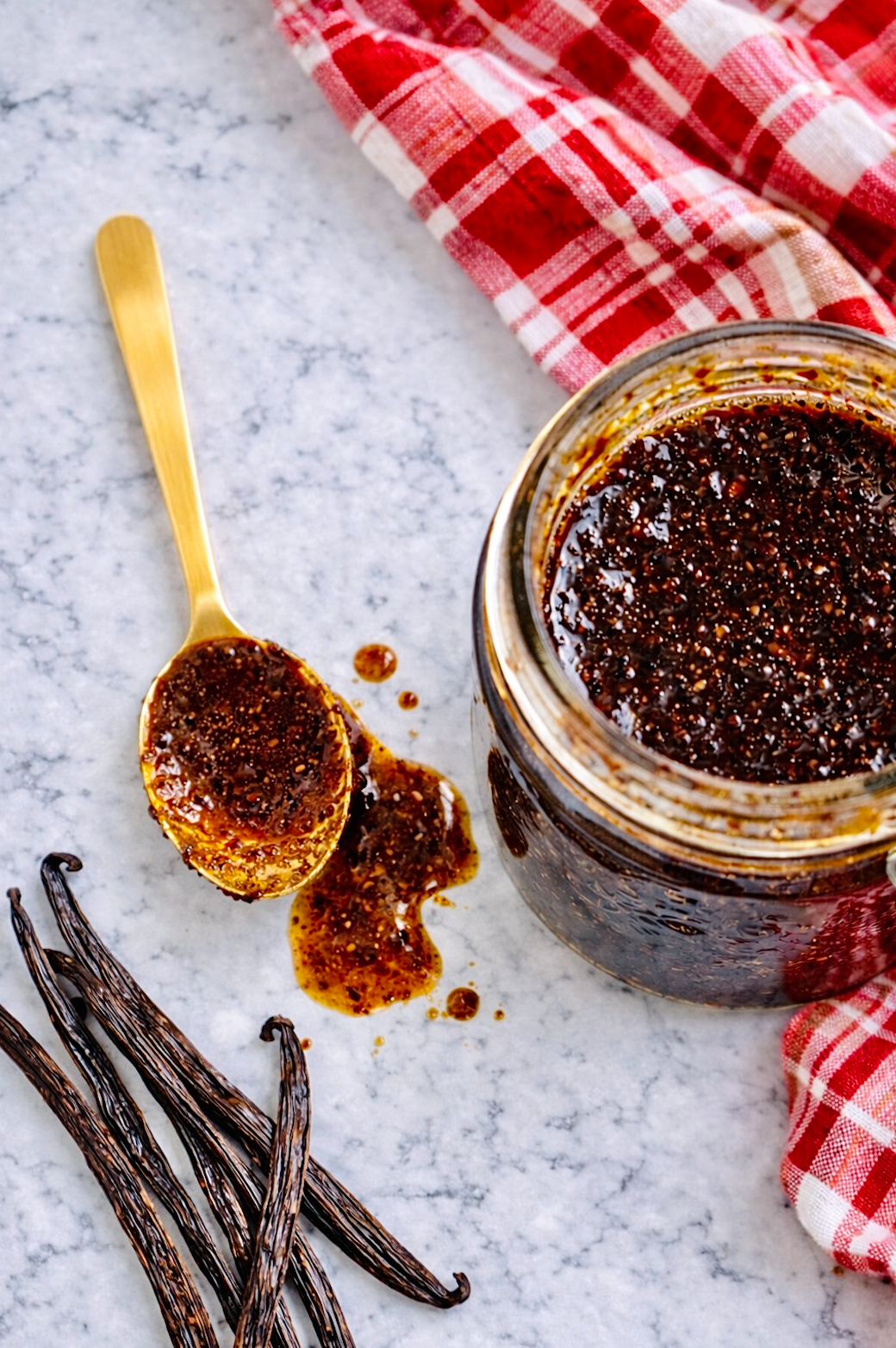
I make this for my own baking and for gifts. The whole pod goes into the blender, seeds and all. The useful texture cue is the size of the bean pieces: aim for coarse black pepper suspended in syrup, and give larger pieces a few short bursts.
You can use the paste immediately. For the best flavor, let it rest for about a month as the vanilla continues to infuse. That rest is optional, so you don't have to postpone today's baking.
If you enjoy making baking staples, homemade vanilla sugar is another useful project. This paste fills a different role: it adds both vanilla flavor and a spoonable, syrupy texture.
What Is Vanilla Bean Paste?
Vanilla bean paste is a sweet, thick vanilla flavoring with visible bean flecks. This homemade version blends whole pods with water, sugar, vodka, corn syrup, and a little xanthan gum. It gives cakes, cookies, custards, and creams vanilla flavor with the speckled appearance that plain extract does not provide.
The recipe here uses a whole-bean blender method. You don't scrape and discard the pods, simmer a syrup, or strain out the pieces. Chopping the beans first and checking the texture while blending are the important parts.
I often use Madagascar beans, but the tested quantity is 2 ounces by weight. About 24 beans is a helpful estimate; bean size varies, so weigh them when possible.
Paste and extract behave differently in a recipe: paste adds sugar, body, and visible flecks. Use paste where those qualities are welcome, and keep extract handy when you want vanilla flavor without the speckles.
Recipe at a Glance
Yield: About 2½ cups
Prep: 15 minutes
Blend: About 3 minutes
Active preparation: About 18 minutes, plus cooling as needed
Optional rest: About 1 month for best flavor
Flavor and texture: Rich vanilla; thick syrup with visible bean flecks
Method: No-cook, high-powered blender
Best uses: Baking, custards, whipped cream, and homemade gifts
Why You'll Love It
Strong vanilla flavor without needing a whole vanilla bean pod each time
• Real vanilla seeds visible in cakes, custards, and frostings
• Keeps for a long time in a cool, dark place
• Makes a great gift in a small jar of vanilla paste with a tight-fitting lid
Ingredients You'll Need
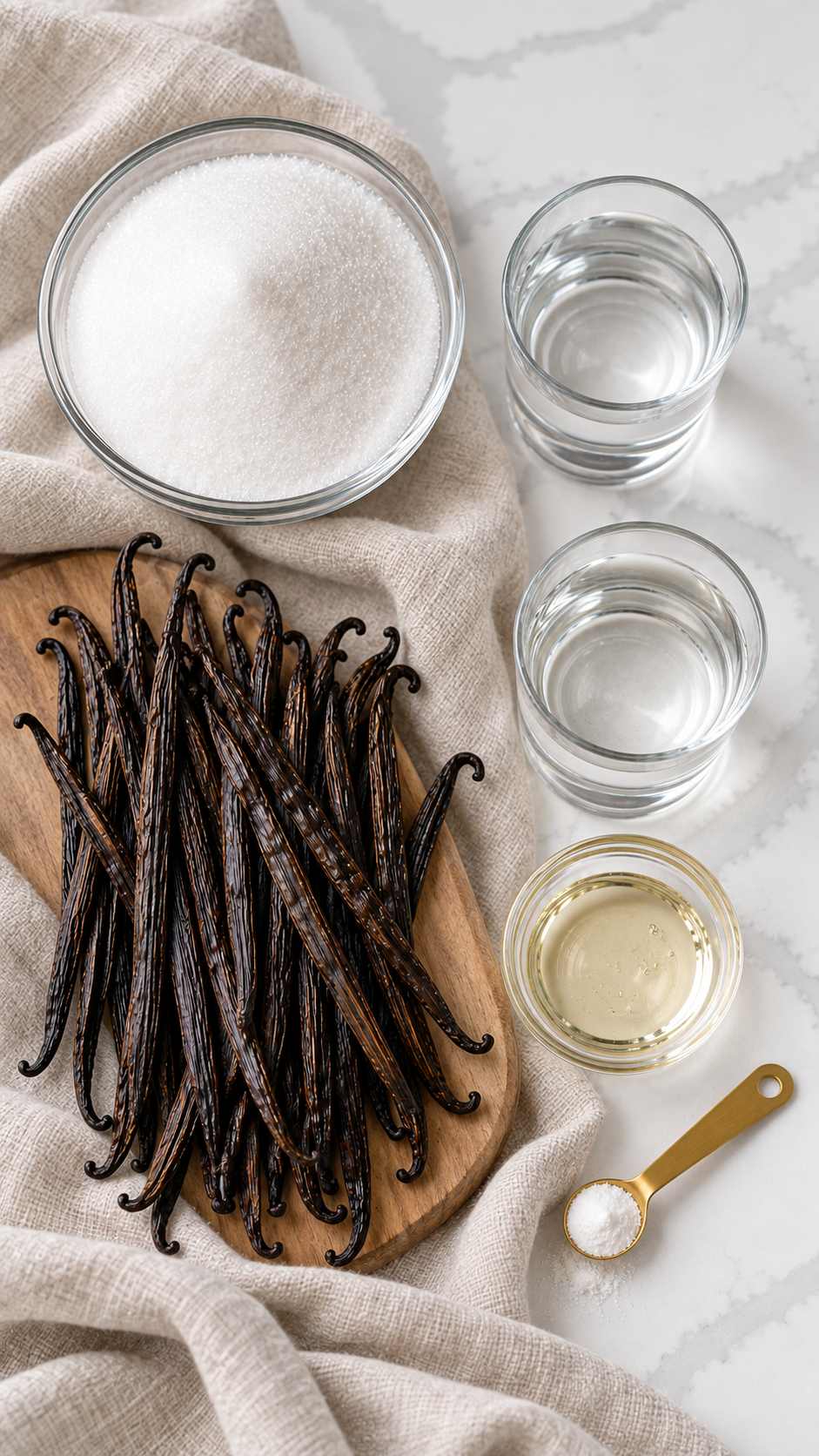
You'll need six ingredients for this whole-bean paste. The measured amounts are repeated in the printable recipe card below.
Whole vanilla beans: 2 ounces, about 24 whole beans.
Water: ¼ cup plus 2 tablespoons (3 fluid ounces).
Granulated sugar: 1 cup.
Vodka: ¾ cup.
Light corn syrup: 2 tablespoons.
Xanthan gum: ¼ teaspoon.
 Buy Now →
  Buy Now →
  Buy Now →
  Buy Now →
Ingredient Notes
Whole vanilla beans supply the flavor, seeds, and pod flecks. Water provides liquid for blending. Granulated sugar sweetens and adds body; vodka is the alcohol base. Light corn syrup adds syrupy body, while a small amount of xanthan gum thickens the mixture and helps keep the flecks suspended.
Kitchen Equipment
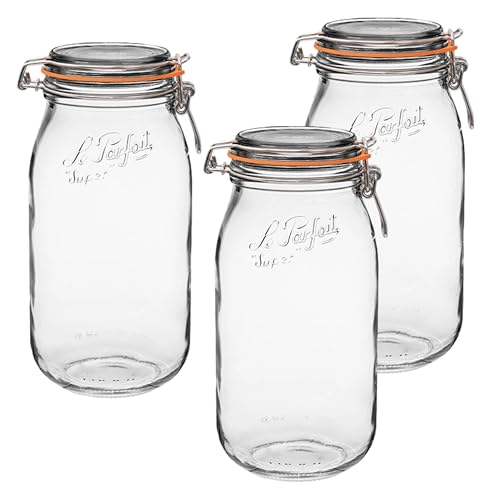
Use a high-powered blender, a sharp chef's knife, a cutting board, measuring cups and spoons, and clean airtight containers. A kitchen scale is helpful for weighing the vanilla beans.
 Buy Now →
  Buy Now →
  Buy Now →
  Buy Now →
  Buy Now →
 Substitutions
Food-grade vegetable glycerin may replace vodka for an alcohol-free variation. Honey or light agave may replace the light corn syrup, though sweetness and texture can change. Superfine sugar may replace granulated sugar for easier dissolving. Changing the base also changes the formulation; do not assume an alcohol-free batch has the same keeping qualities as the vodka version.
The Blender Method
Chop the whole vanilla bean pods into small pieces, including the seeds. Add them to a high-powered blender with water, sugar, vodka, and light corn syrup. Blend until the mixture looks speckled and the pieces are about the size of coarse black pepper.
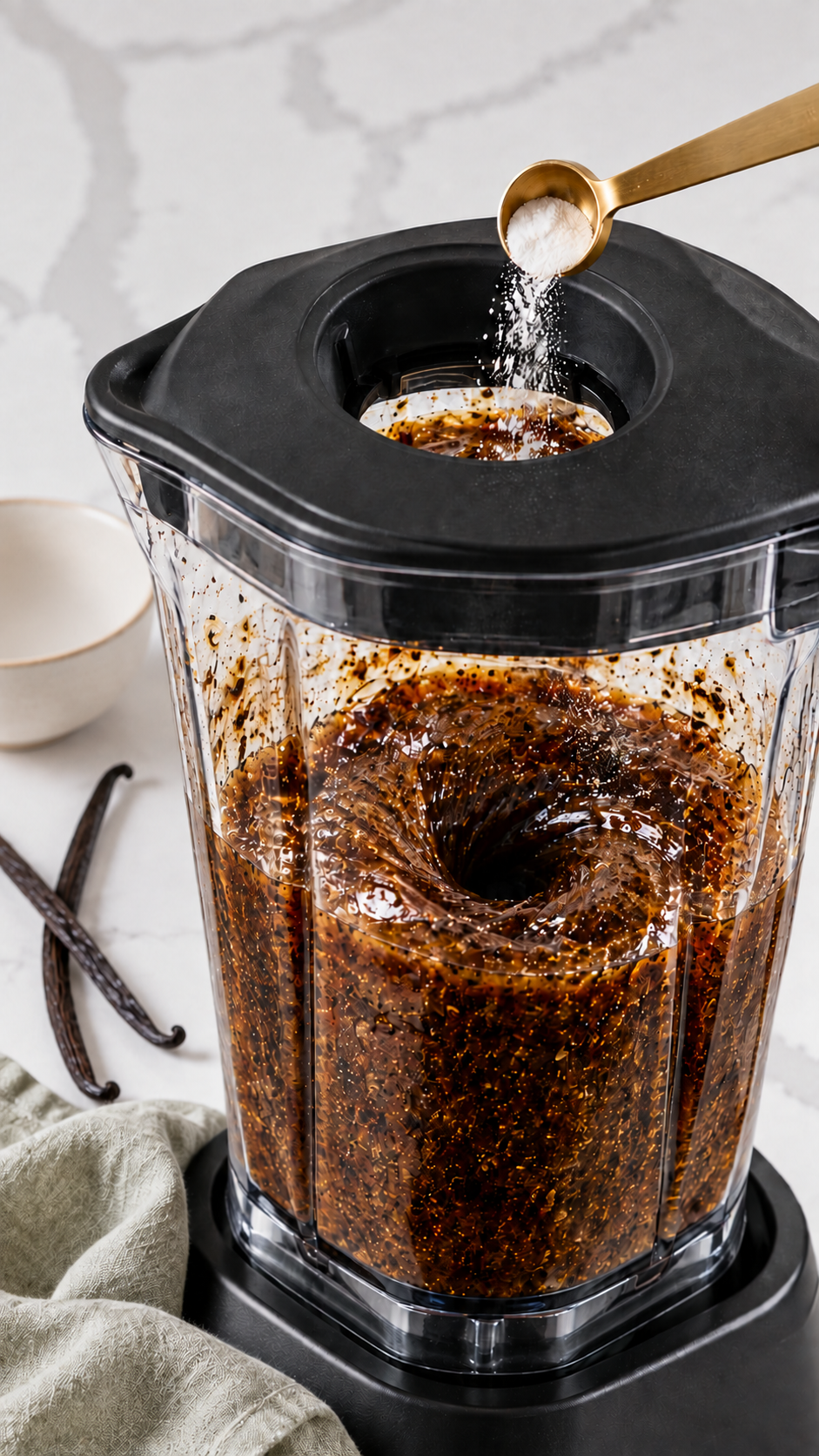
With the blender running on medium, sprinkle in xanthan gum. Within seconds, the mixture thickens slightly. It will continue to develop as it cools to room temperature and rests.
Can You Make It Ahead?
You can use it immediately, and it will taste good. But if you let it sit in a dark place for a month, the flavor deepens noticeably.
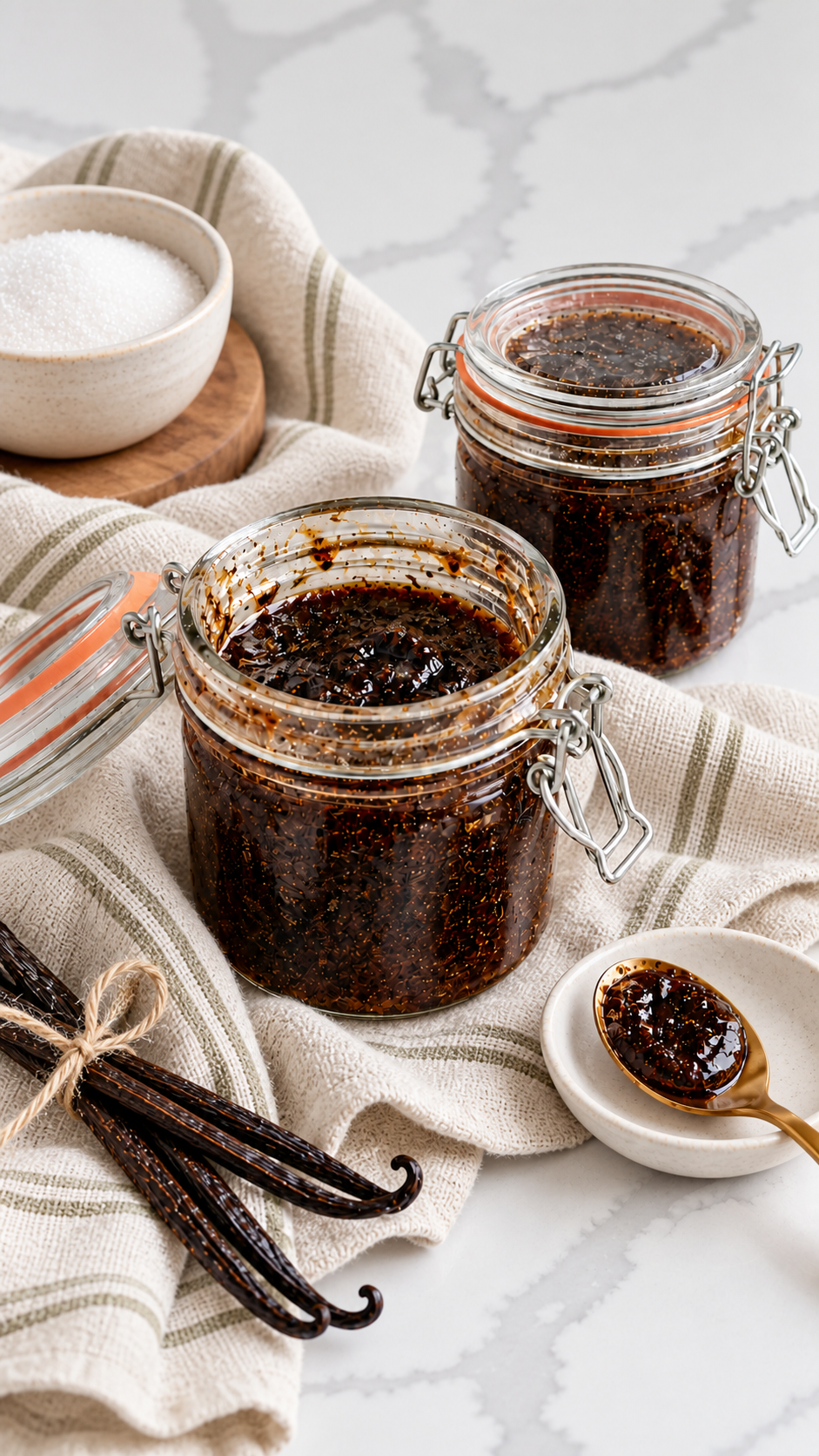
Store in a clean airtight container or glass jar at room temperature in a dark pantry. Shake or stir occasionally during the first week if separation occurs.
How to Make Homemade Vanilla Bean Paste
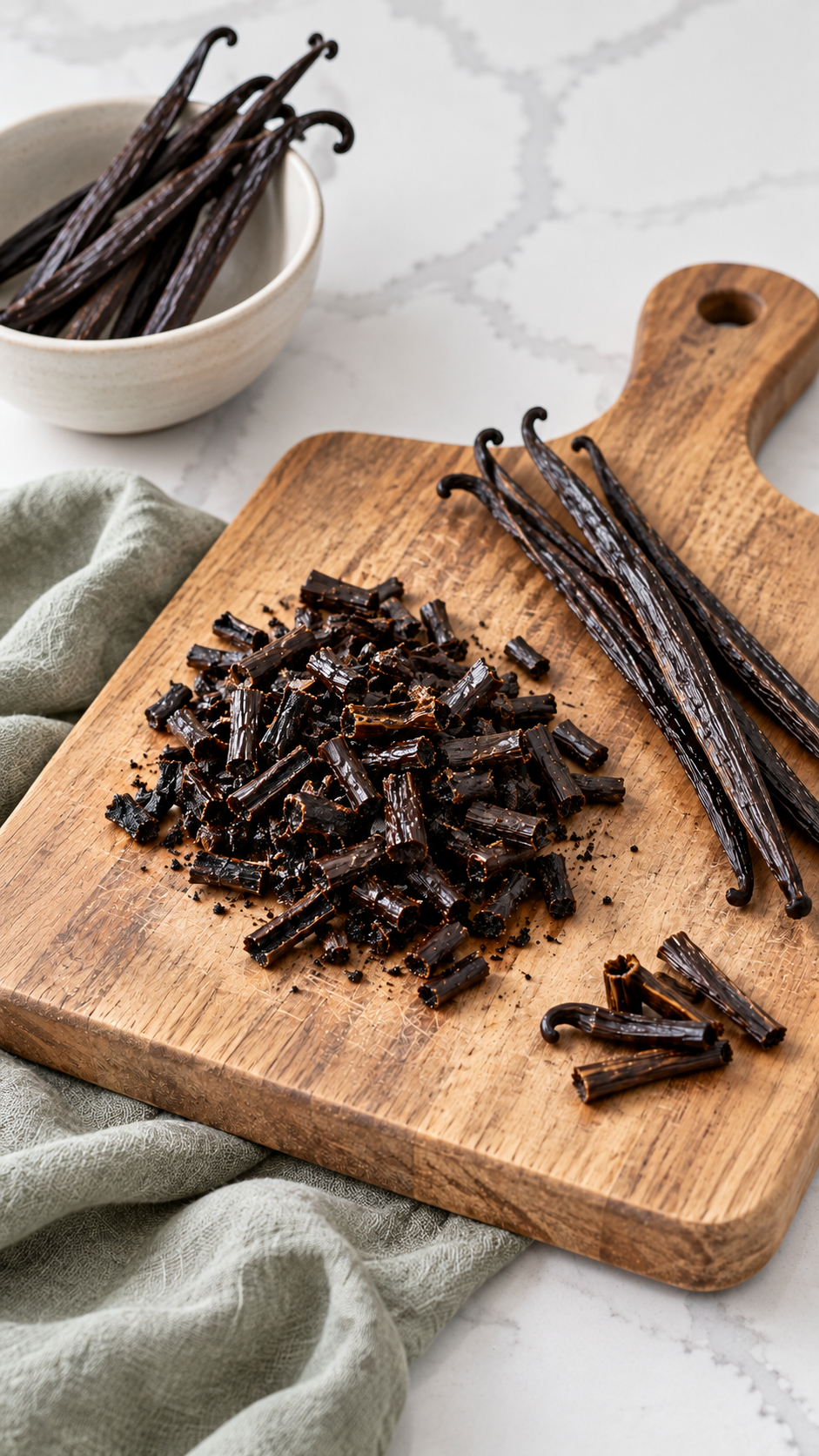
1. Prepare the vanilla beans. Rinse if needed and pat dry. Trim off the ends, then coarsely chop the whole beans into small pieces with a sharp knife.
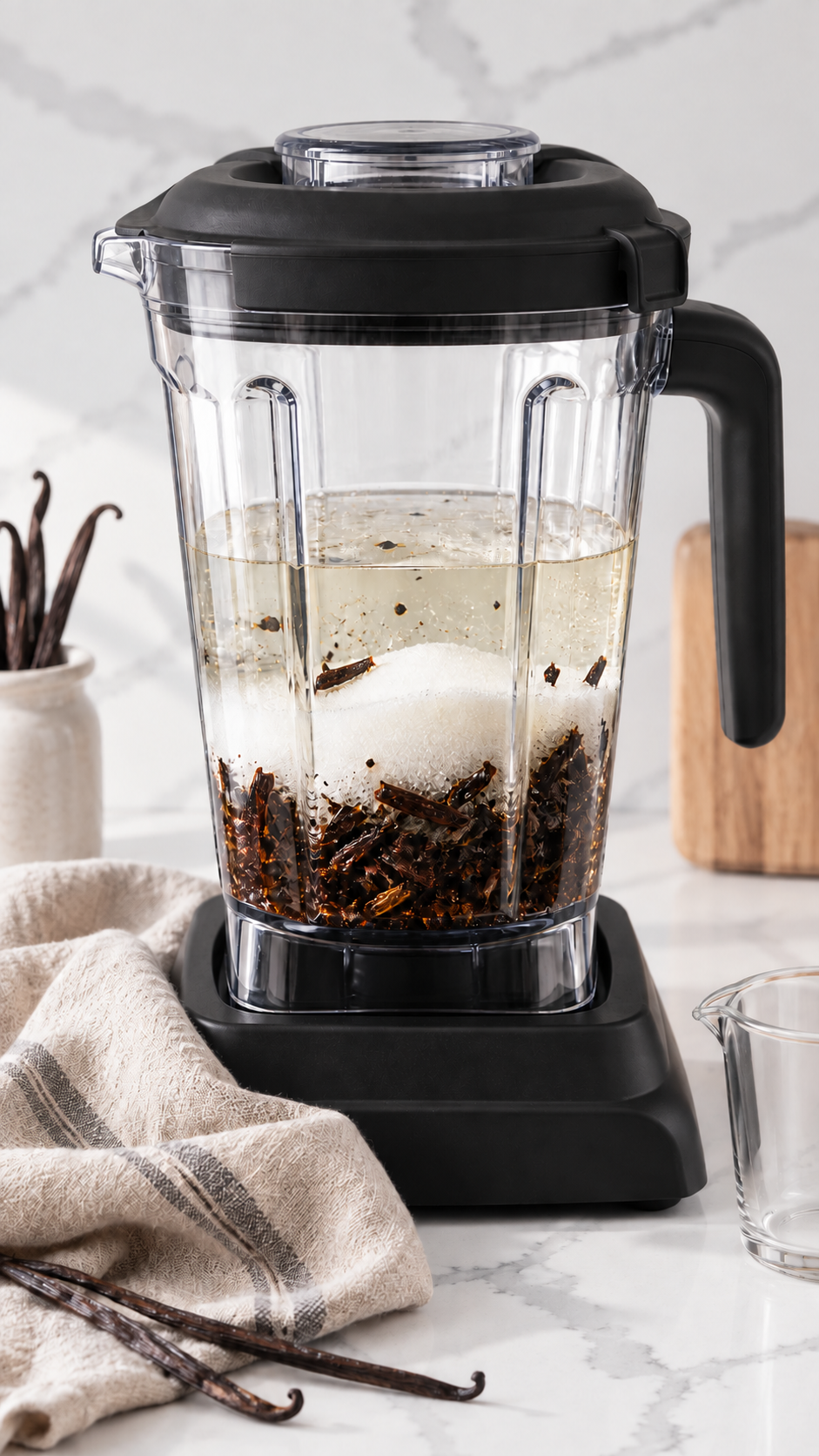
2. Blend the base. Put the chopped vanilla beans, water, sugar, vodka, and light corn syrup in a high-powered blender. Secure the lid tightly and blend on high for about 2 minutes.
3. Check the texture. Stop the blender and inspect the mixture. The vanilla bean pieces should be about the size of coarse black pepper. If they are larger, blend in short bursts until they reach that size.
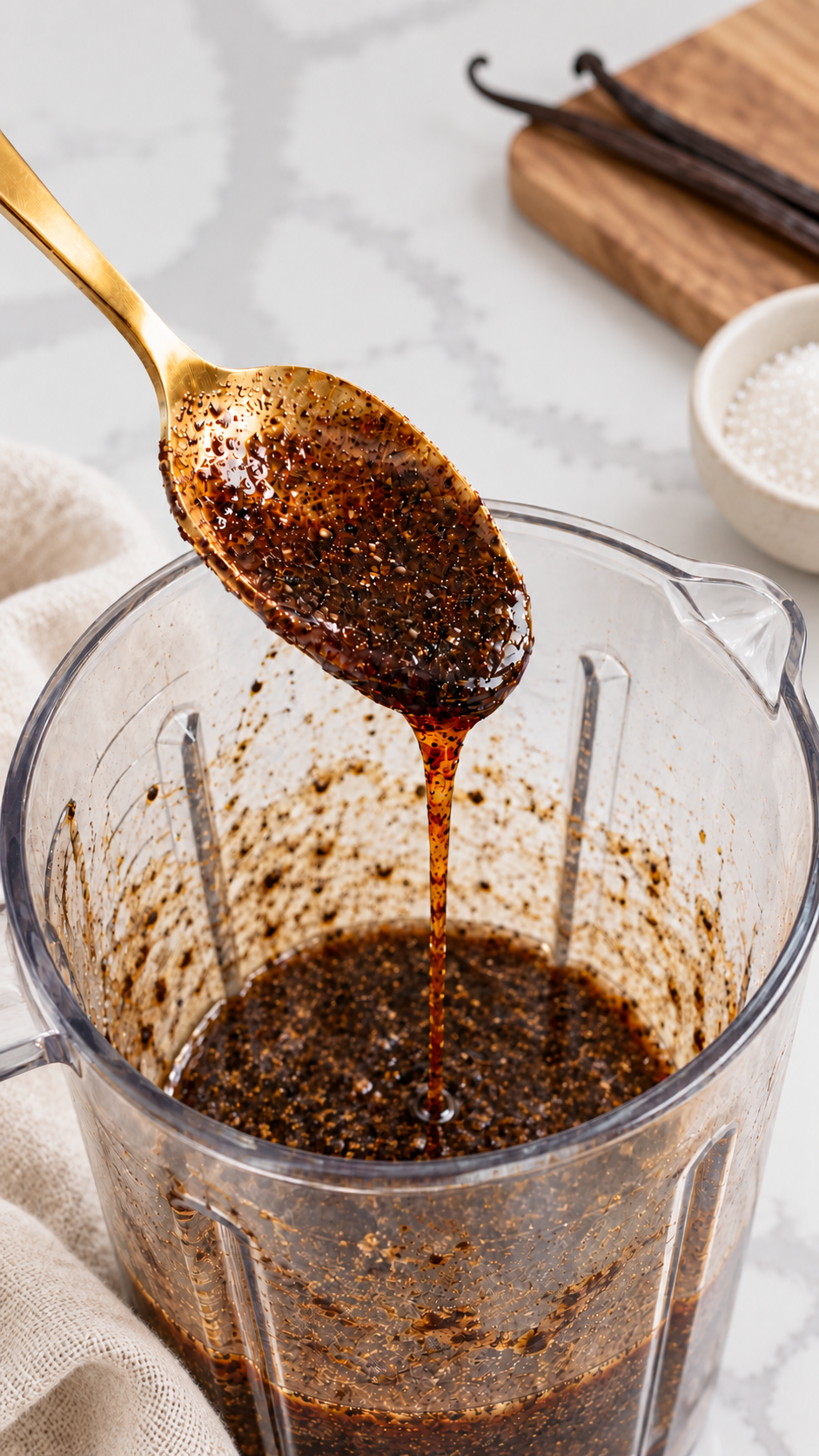
4. Thicken the paste. Reduce the blender speed to medium. Slowly sprinkle in the ¼ teaspoon xanthan gum while blending, then blend for about 30 seconds until incorporated. Use your blender's intended ingredient opening; keep the main lid secure. The paste thickens further as it cools and rests.
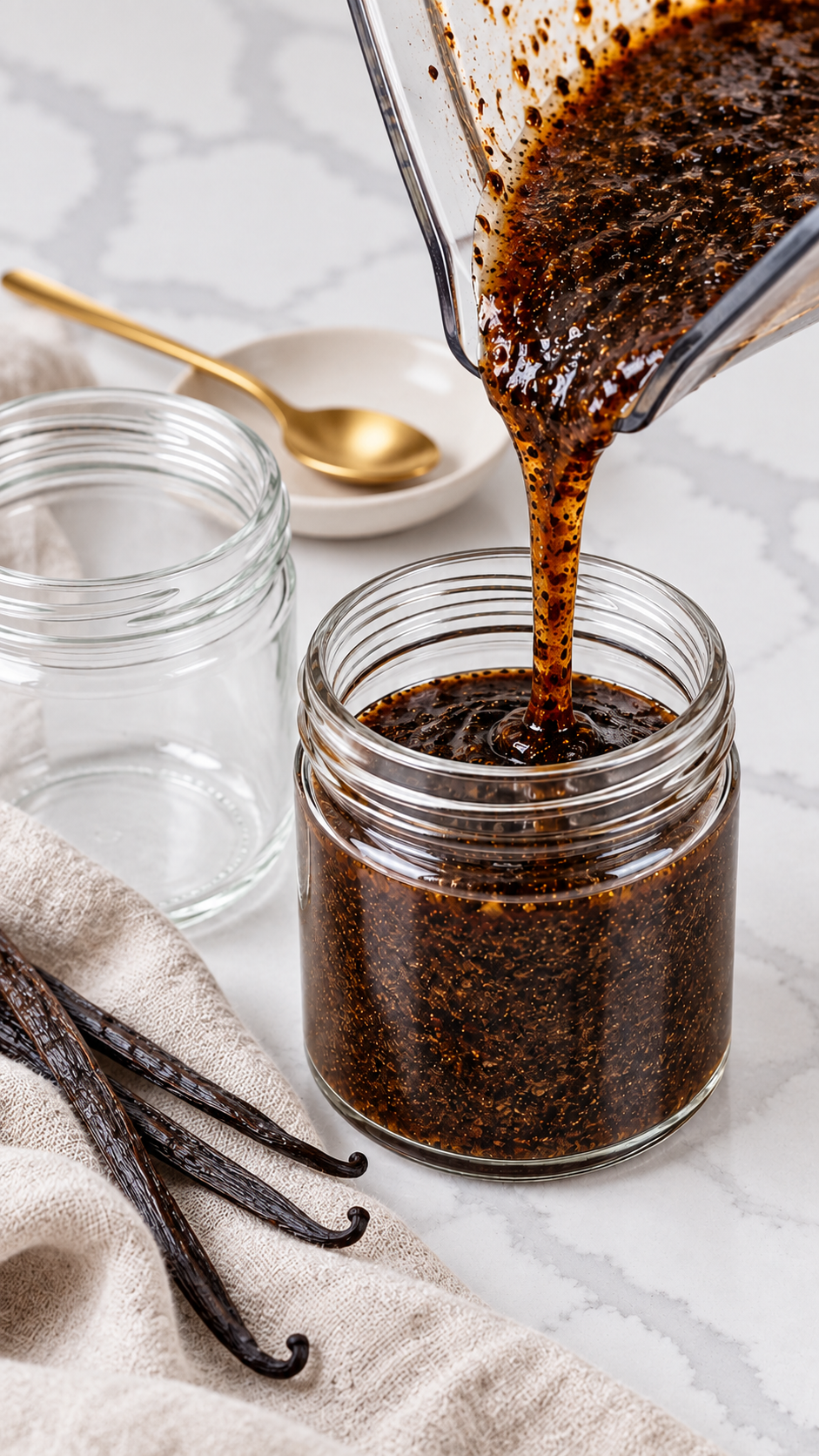
5. Cool and store. Allow the paste to cool completely at room temperature, then transfer it to clean, airtight containers. Follow the storage notes below. It may be used immediately, with best flavor developing after about a month.
Chef's tips for vanilla bean paste
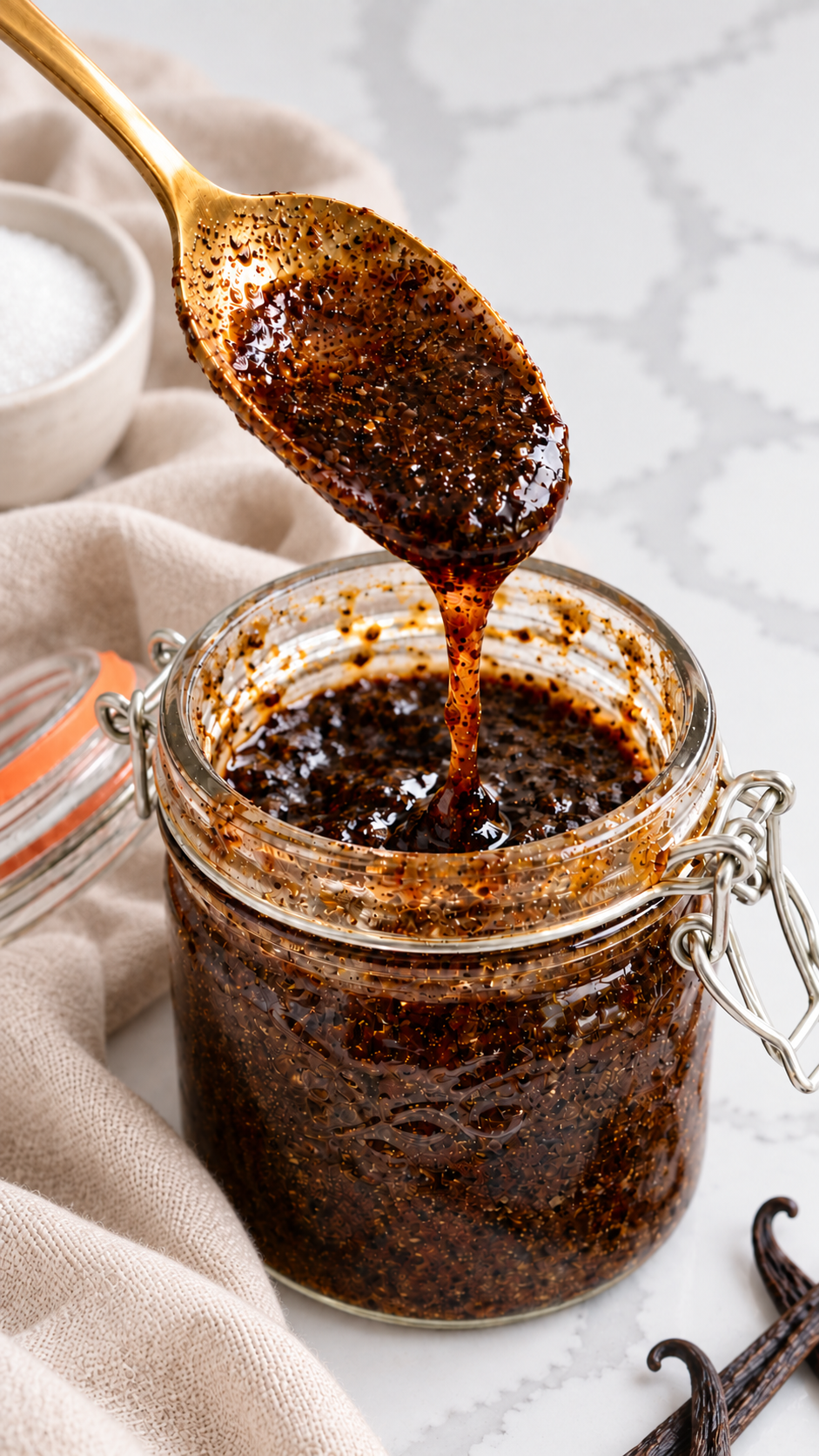
The texture cue matters more than chasing an extra-dark color. Keep the flecks small enough to blend into your baking while still visibly present.
Chop before blending: Small pieces make it easier to reach the right texture.
Watch the flecks: Aim for pod pieces about the size of coarse black pepper.
Sprinkle the thickener: Add the xanthan gum gradually while blending.
Give it time: The paste thickens as it cools and rests.
Measure thoughtfully: Start with the same amount of paste as the extract called for, then adjust where appropriate.
A Few Easy Mistakes to Avoid
Judging thickness too soon: The paste thickens as it cools and rests, so wait before deciding it needs more thickener. Start with the tested ¼ teaspoon of xanthan gum.
Adding xanthan gum in a pile: Sprinkle it gradually into the moving mixture to help it disperse.
Leaving large bean pieces: Chop first, stop to inspect, and use short bursts as needed. Color alone does not tell you whether the texture is right.
Can You Freeze Vanilla Bean Paste?
Portion the paste into freezer-safe containers so you can thaw only what you need. Thaw in the refrigerator and stir well before using. See the recipe card notes for the original storage guidance.
For the optional month-long flavor development, follow the original vodka formulation and storage notes. The alcohol-free variation needs its own storage guidance; the substitutions change more than the flavor.
Ways to Use Vanilla Bean Paste
Use this paste in cakes, cookies, custards, ice cream, and pastry cream, or stir it into yogurt, oatmeal, coffee drinks, syrups, glazes, and frosting. Start with a small amount where vanilla is added to taste.
Try the flavor in stabilized whipped cream or explore vanilla butter meltaway cookies. For a seasonal baking idea, see pumpkin muffins with vanilla bean glaze. Follow each recipe's measurements and use paste as a vanilla variation where appropriate.
FAQs
Can I use a food processor instead of a blender?
This recipe was tested with a high-powered blender. A food processor may leave larger pod pieces, so it is not a verified equivalent for this method.
Is this the same as homemade vanilla extract?
No. Paste contains sugar and thickener, creating a syrupy texture with visible seeds.
What kind of vanilla beans should I use?
Use good-quality whole vanilla beans and weigh out 2 ounces. The count of about 24 beans is an estimate because their size varies.
How much paste should I use instead of vanilla extract?
Start with the same measured amount called for in your recipe and adjust to taste when the food is safe to taste. Homemade paste and commercial products vary in strength; an equal spoonful is a starting point rather than a guaranteed flavor match.
Keeping Your Paste Fresh
Keep the vodka-based paste in clean, airtight containers in a cool, dark location. Refrigeration is optional in very warm climates, as noted in the recipe card. Long-term shelf life has not been independently validated for this exact homemade formulation; the alcohol-free variation should not be assumed to keep the same way.
Label your container with the preparation date and ingredients. Keep the lid closed between uses and use a clean utensil each time. Long-term storage guidance for the alcohol-free variation needs to be confirmed separately.
Get More Recipes Like This
Get more practical recipes and baking ideas from my kitchen. Join the JenniferCooks newsletter and keep your next kitchen project close at hand.
Tried it?
If you make it, I'd love to hear how you used it - vanilla cake, crème brûlée, or just stirred into coffee.
Other Recipes You Might Like
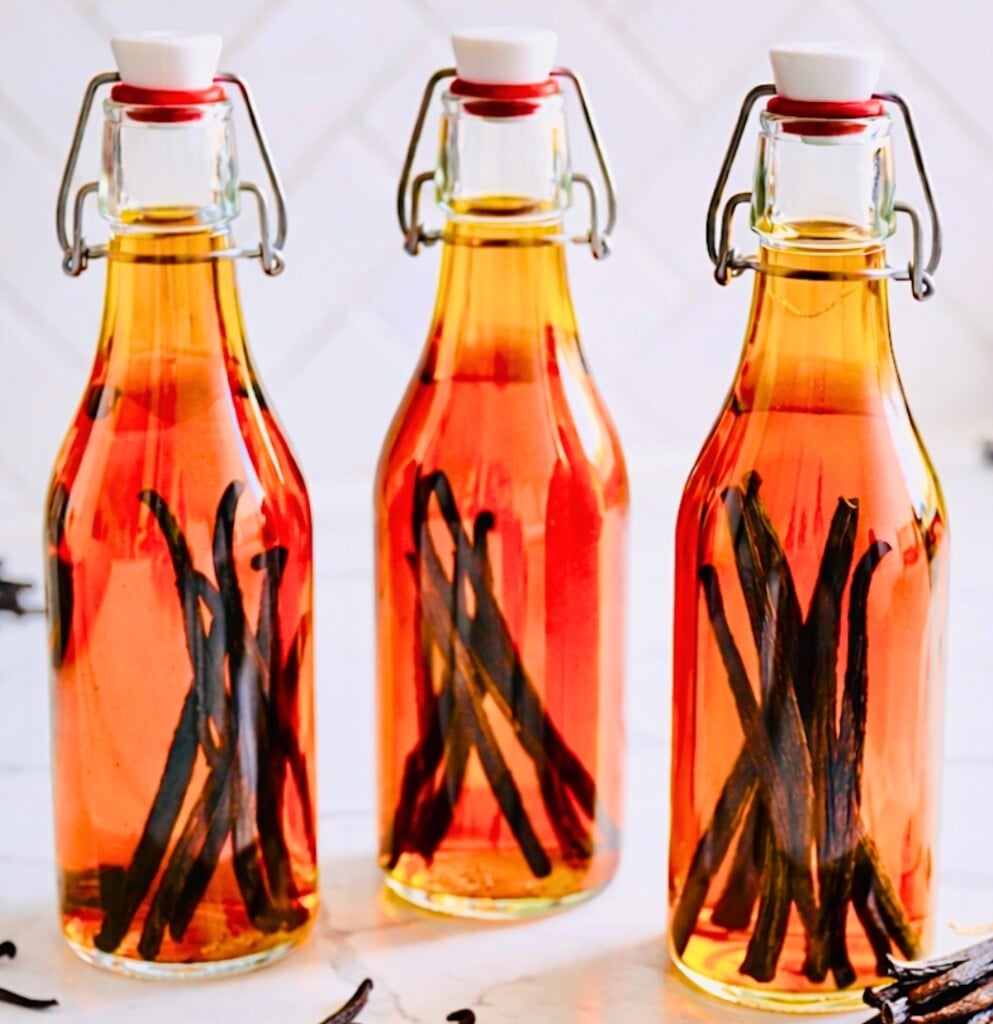
Homemade Vanilla Extract
A two-ingredient homemade vanilla extract with deeper flavor, lower cost, and better results than store-bought.
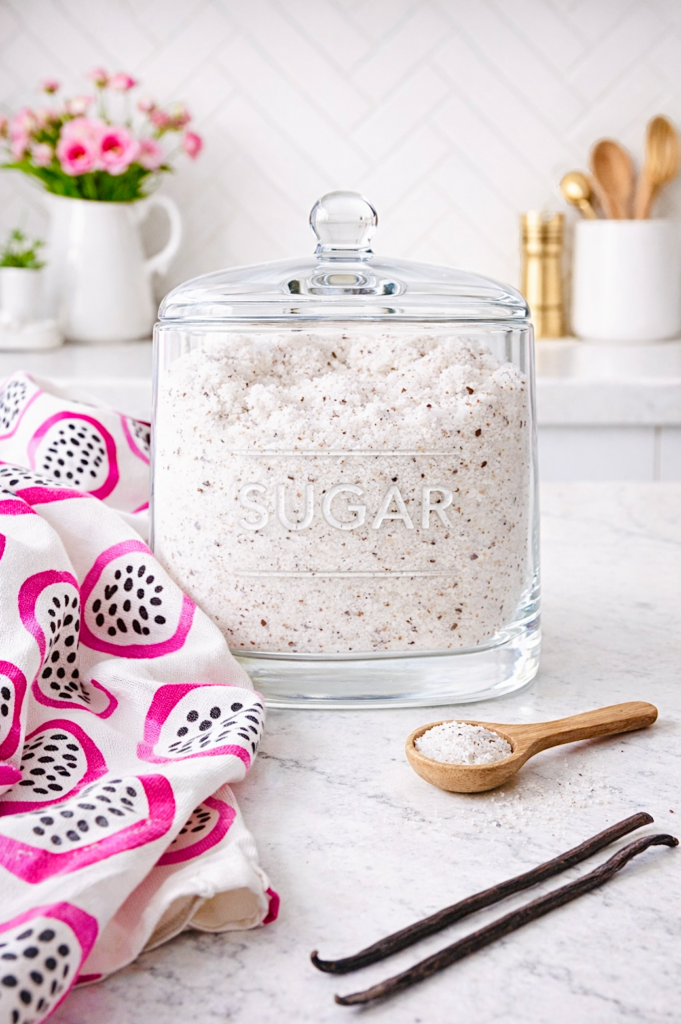
Vanilla Sugar
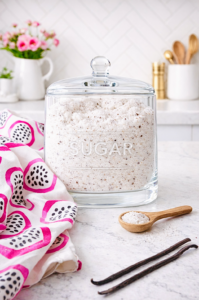
Easy homemade vanilla sugar made with whole vanilla beans and regular sugar. Perfect for baking, drinks, desserts, and gifting.
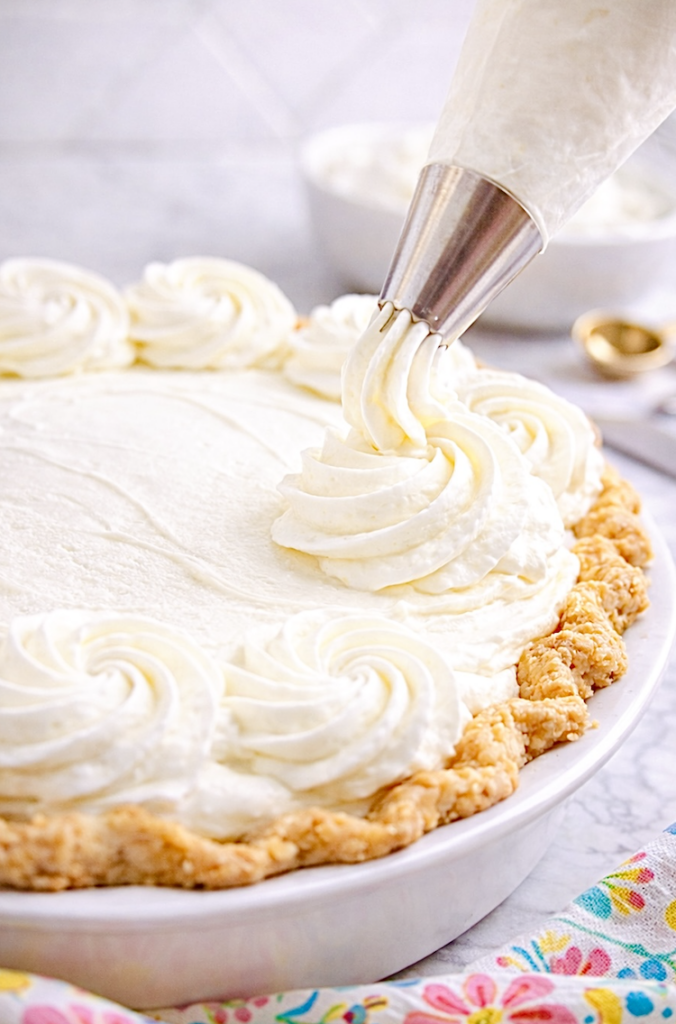
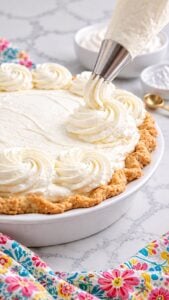
Stabilized Whipped Cream
This recipe for Stabilized Whipped Cream is the secret star to those perfect bakery-whipped topped desserts!

Double Rich Simple Syrup
This double rich simple syrup is a game-changer, adding bold sweetness to everything from cocktails to coffee with ease. Inspired by classic cocktail culture and made with just two ingredients, it's versatile, long-lasting, and the perfect way to elevate your favorite drinks or desserts!
Homemade Vanilla Bean Paste
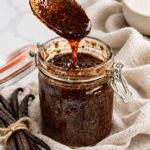
Homemade vanilla bean paste delivers rich, concentrated vanilla flavor and beautiful flecks in every spoonful, with an easy method and long pantry life.
- Prep Time: 15 minutes
- Blend Time: 3 minutes
- Total Time: 18 minutes
- Yield: About 2½ cups 1x
- Category: Dessert
- Cuisine: American
Ingredients
2 ounces Vanilla Beans, About 24 whole vanilla beans
3 ounces water, ¼ cup plus 2 tablespoons water (3 ounces)
1 cup granulated sugar
¾ cup vodka
2 tablespoons light corn syrup
¼ teaspoon xanthan gum
Instructions
Prepare the Vanilla Beans
•Rinse and pat the vanilla beans dry if needed
•Cut off the ends
•Coarsely chop the beans into small pieces using a sharp knife
Blend the Base Mixture
•Place the chopped vanilla beans into a high-powered blender
•Add the water, sugar, vodka, and light corn syrup
•Secure the lid tightly
•Blend on high speed for about 2 minutes
Check the Texture
•Stop the blender and inspect the mixture
•Vanilla bean pieces should be about the size of coarse black pepper
•If pieces are larger, blend again in short bursts until the proper texture is reached
Thicken the Paste
•Reduce blender speed to medium
•Slowly sprinkle in the xanthan gum while blending
•Continue blending for about 30 seconds until fully incorporated
•The mixture will thicken further as it cools and rests
Cool and Store
•Allow the paste to cool completely at room temperature
•Transfer to clean, airtight containers
•Store in a cool, dark place at room temperature
Notes
Substitutions
•Vodka may be replaced with food-grade vegetable glycerin for an alcohol-free version
•Light corn syrup may be substituted with honey or light agave syrup, though texture and sweetness may vary
•Granulated sugar may be replaced with superfine sugar for easier dissolving
Serving Suggestions and Pairings
•Use in cakes, cookies, custards, ice cream, and pastry creams
•Stir into whipped cream, yogurt, oatmeal, or coffee drinks
•Add to homemade syrups, glazes, and frostings for concentrated vanilla flavor
Storage
•Store in airtight containers at room temperature in a cool, dark location
•Shelf life is up to 3 years when properly stored
•Refrigeration is not required but may extend freshness in very warm climates
Freezing
•Vanilla bean paste may be frozen in small portions
•Store in freezer-safe containers for up to 2 years
•Thaw in the refrigerator before use and stir well
Flavor Development
•The paste may be used immediately
•Best flavor develops after resting for about 1 month as the vanilla continues to infuse



0