

This cast iron steak is for the nights when you want a steakhouse-style dinner without leaving the house. A hot cast-iron skillet, thick ribeye steaks, kosher salt, and a garlic-herb butter baste give you a deep sear, a juicy center, and that rich buttery finish that makes a good steak feel like a small event.
The method is simple, but the little details matter: dry the surface well, preheat the skillet until it is truly hot, sear without fussing, then use an instant read thermometer so the steak lands where you want it. Guessing is brave. A thermometer is better.
What Is Cast Iron Steak?
Cast iron steak is a stovetop steak method where thick steaks are seared in a very hot cast-iron skillet, then finished with butter, garlic, and fresh herbs. The pan's steady heat helps create a flavorful crust while a meat thermometer protects the juicy center.
Why You'll Love This Recipe
- It gives you a real deep sear. A properly hot pan creates the browning that makes steak taste rich and savory.
- The cook time is short. Once the steaks rest at room temperature and the pan is hot, dinner moves quickly.
- The butter baste does heavy lifting. Melted butter, rosemary, and garlic coat the crust and build steakhouse flavor.
- It works for special occasions. Ribeye, filet mignon, New York strip, T-bone, porterhouse, flat iron, and top sirloin all work with the same basic method.
- The thermometer takes out the drama. Internal temperature matters more than slicing into the steak and hoping for the best.
Recipe At-a-Glance
- Flavor: Beefy, savory, buttery, peppery, with garlic and fresh rosemary.
- Texture: Deep seared crust with a juicy interior.
- Difficulty: Beginner to intermediate.
- Prep time: 10 minutes, plus 30 minutes resting at room temperature.
- Cook time: 10 to 12 minutes.
- Yield: 2 servings.
- Best occasions: Date night, Valentine's dinner, Father's Day, birthdays, steak dinners, and weeknight splurges.
Ingredients You'll Need
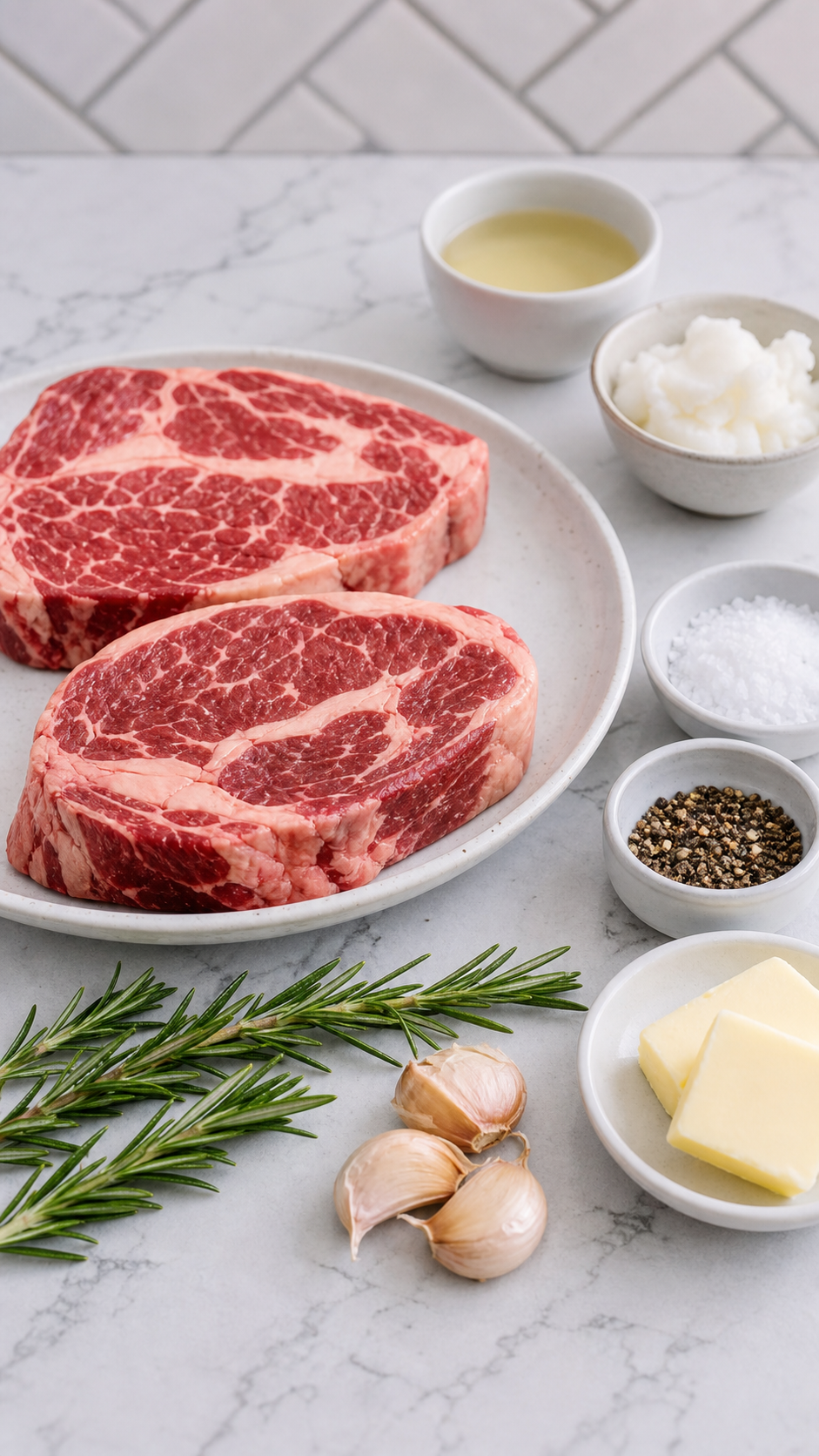
The best results come from thick steaks, a dry surface, simple seasoning, and a high smoke point fat for the hot skillet.
- Ribeye steaks: Two 12-ounce ribeyes, 1 to 1 ½ inches thick, give you enough time to build a crust before the center overcooks.
- Neutral-flavored oil: Rubbed on the steaks so the seasoning clings evenly.
- Beef tallow or avocado oil: Added to the hot skillet for searing; beef tallow is my preference for its rich savory flavor.
- Kosher salt and black pepper: Simple seasoning that supports the crust without hiding the beef.
- Salted butter: Melts into the pan for basting and adds richness at the finish.
- Fresh rosemary and smashed garlic: Aromatics that flavor the melted butter.
 Buy Now →
  Buy Now →
  Buy Now →
  Buy Now →
  Buy Now →
  Buy Now →
  Buy Now →
  Buy Now →
Tools That Make It Easier
- Cast-iron skillet: Holds high heat for a good sear.
- Tongs: Help turn the steaks without piercing them.
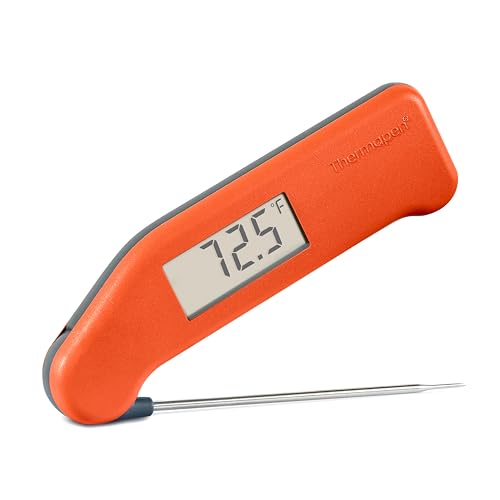
- Instant read thermometer: The most reliable way to hit your preferred internal temperature.
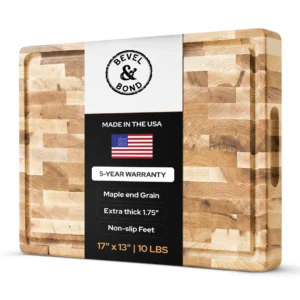
- Cutting board: Gives the steaks a place to rest before slicing.
 Buy Now →
  Buy Now →
  Buy Now →
  Buy Now →
  Buy Now →
 How to Make Cast Iron Steaks
Follow the steps in order and keep the process images with the step they represent. The timing is short, but the sequence matters.
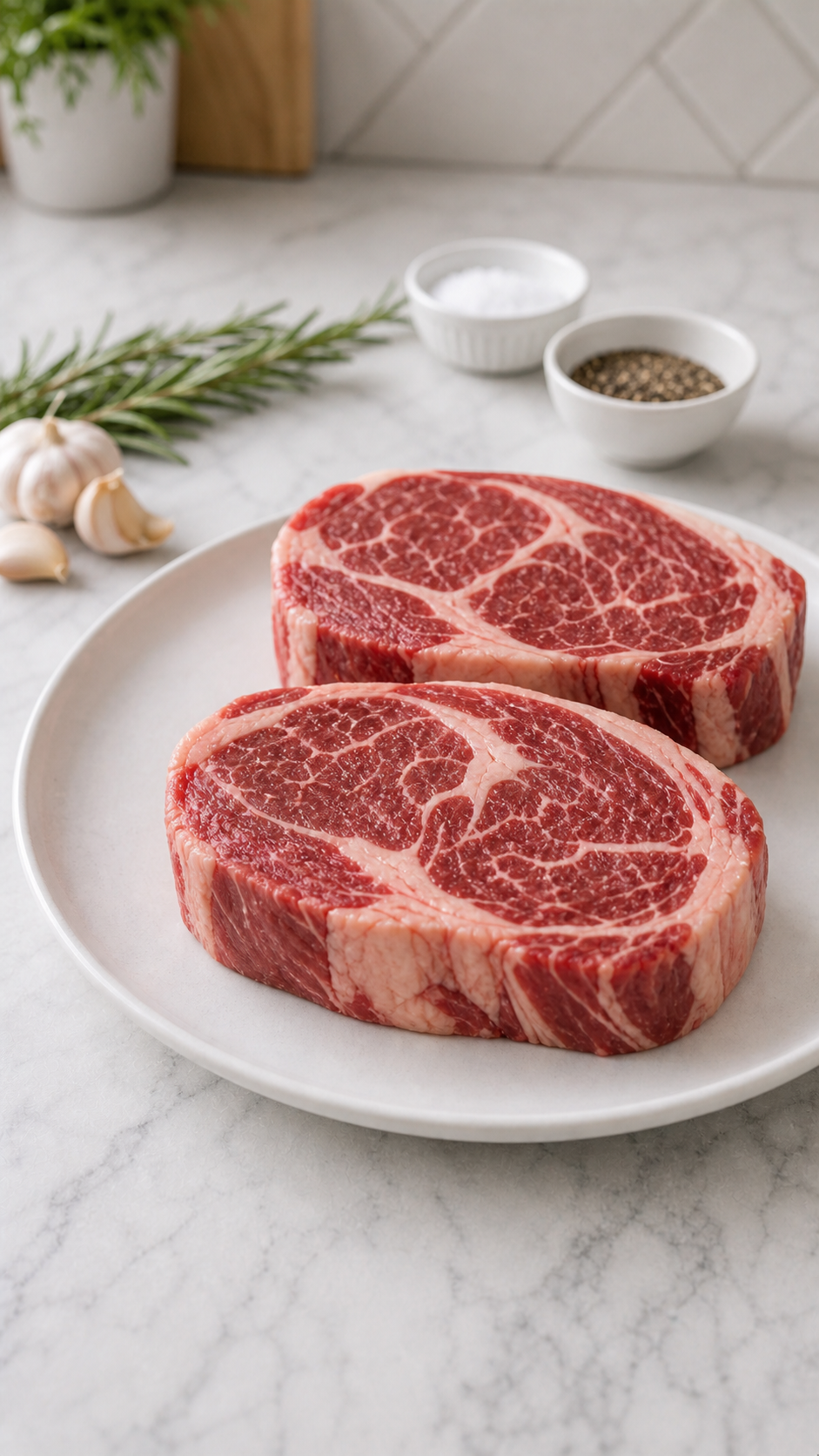
1. Let the Steaks Warm Up
Remove the steaks from the refrigerator and let them sit at room temperature for 30 minutes. This helps thick steaks cook more evenly before the outside gets too dark.
2. Dry, Oil, and Season
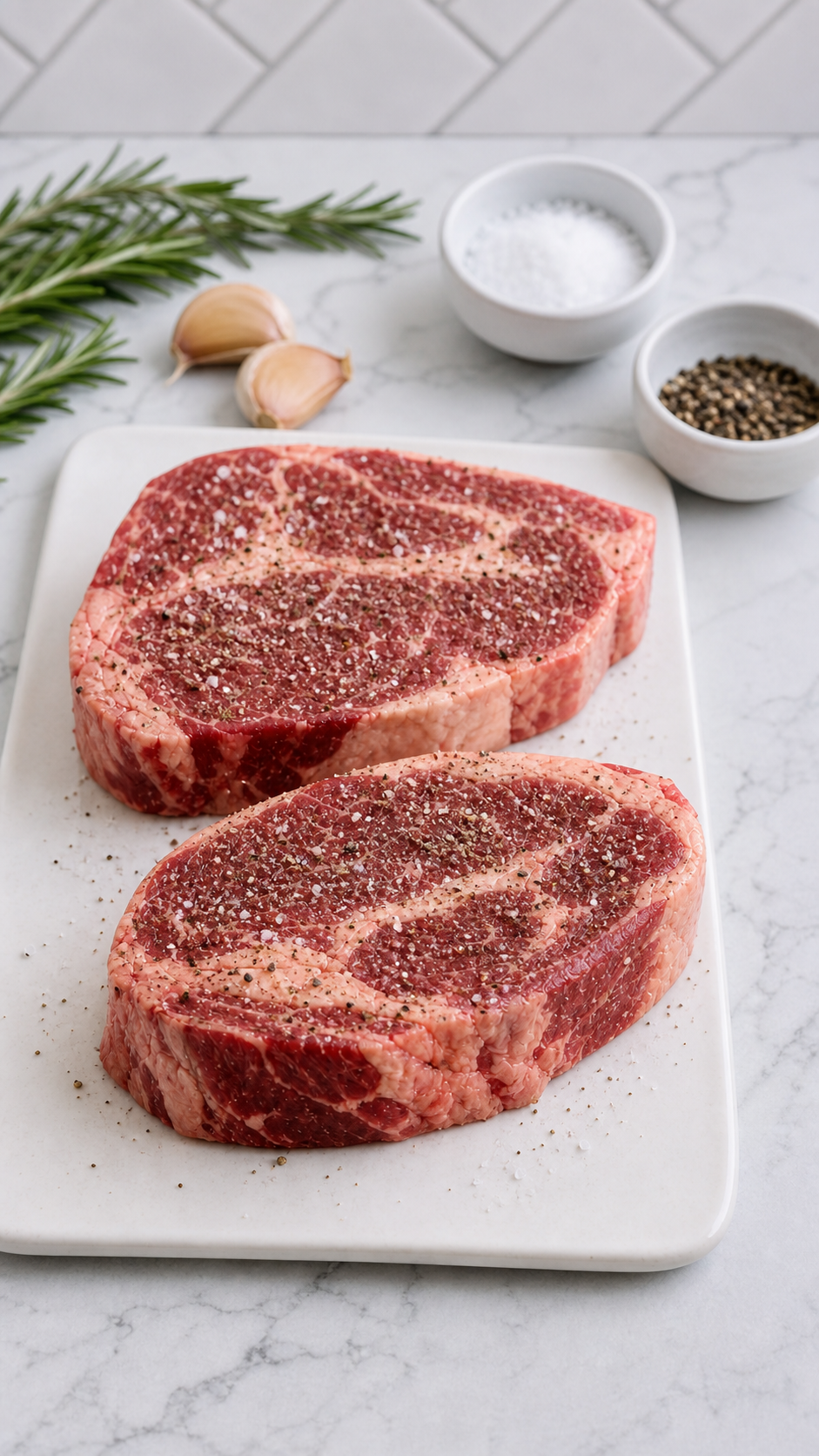
Pat the steaks dry thoroughly with paper towels, rub all sides with neutral oil, then season evenly with kosher salt and black pepper. Removing excess moisture is what helps the crust form instead of steaming the surface.
3. Preheat the Skillet
Place a dry cast-iron skillet over medium-high heat and preheat for 5 to 7 minutes before adding fat. The hot skillet is ready when it begins to smoke slightly or when a drop of water dances across the surface.

4. Sear the First Side
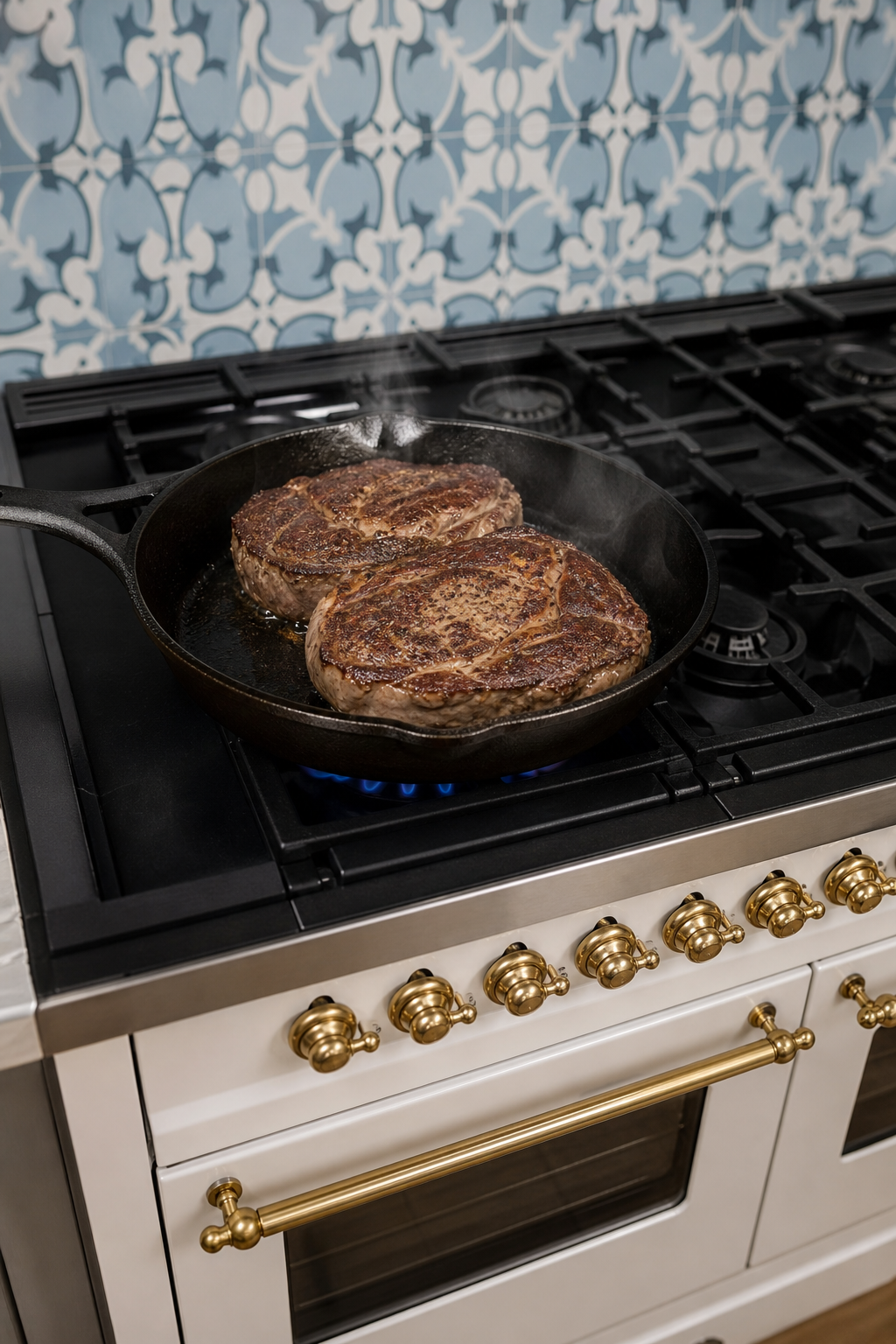
Add beef tallow or avocado oil to the hot skillet and heat until shimmering. Place the steaks in the skillet and cook undisturbed for about 4 minutes so a deep crust can form.
5. Flip and Sear the Second Side
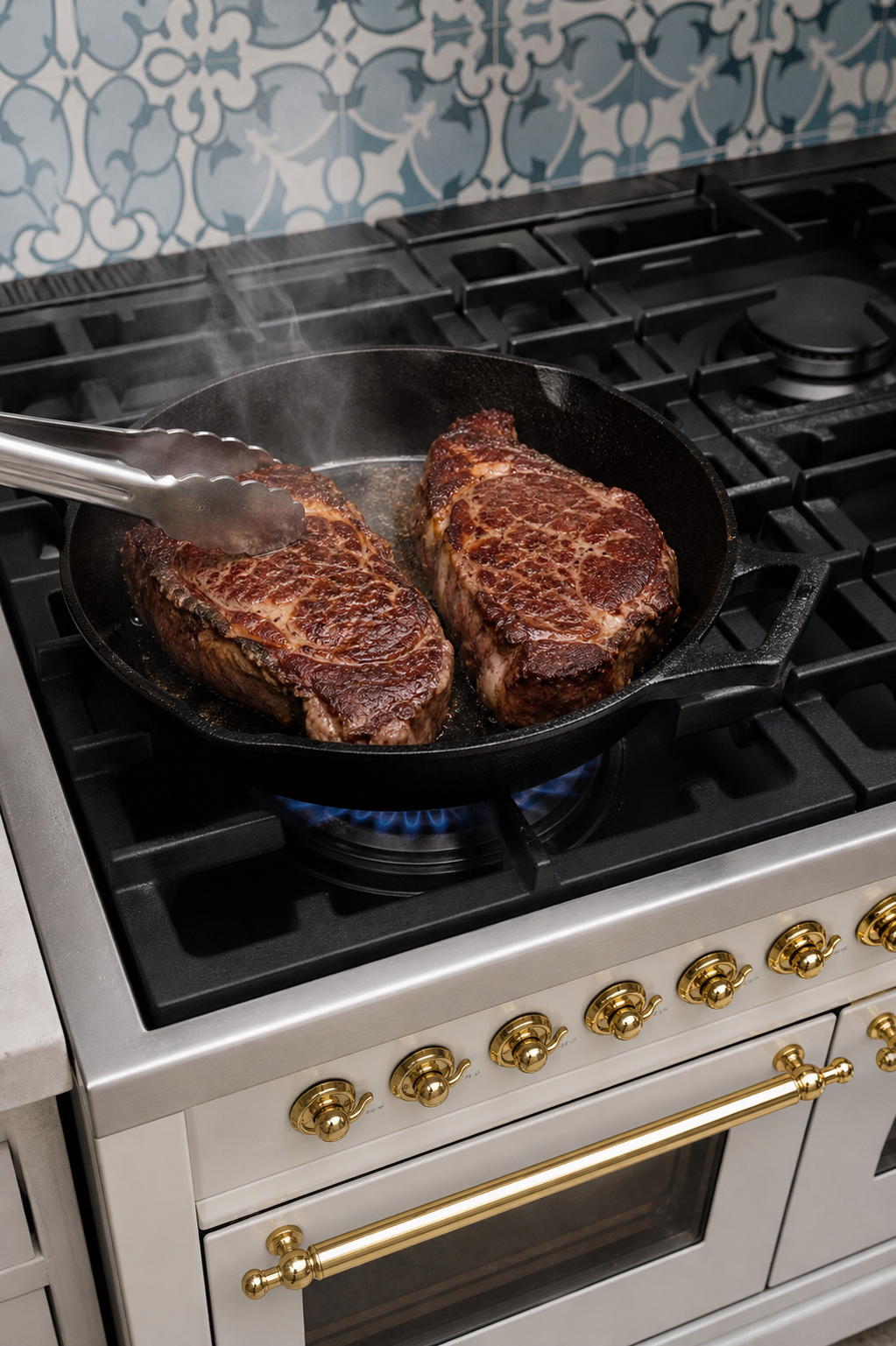
Turn the steaks with tongs and cook the second side for about 4 minutes. Try not to move them around; steady contact with the pan is what builds the sear.
6. Add Butter, Garlic, and Rosemary
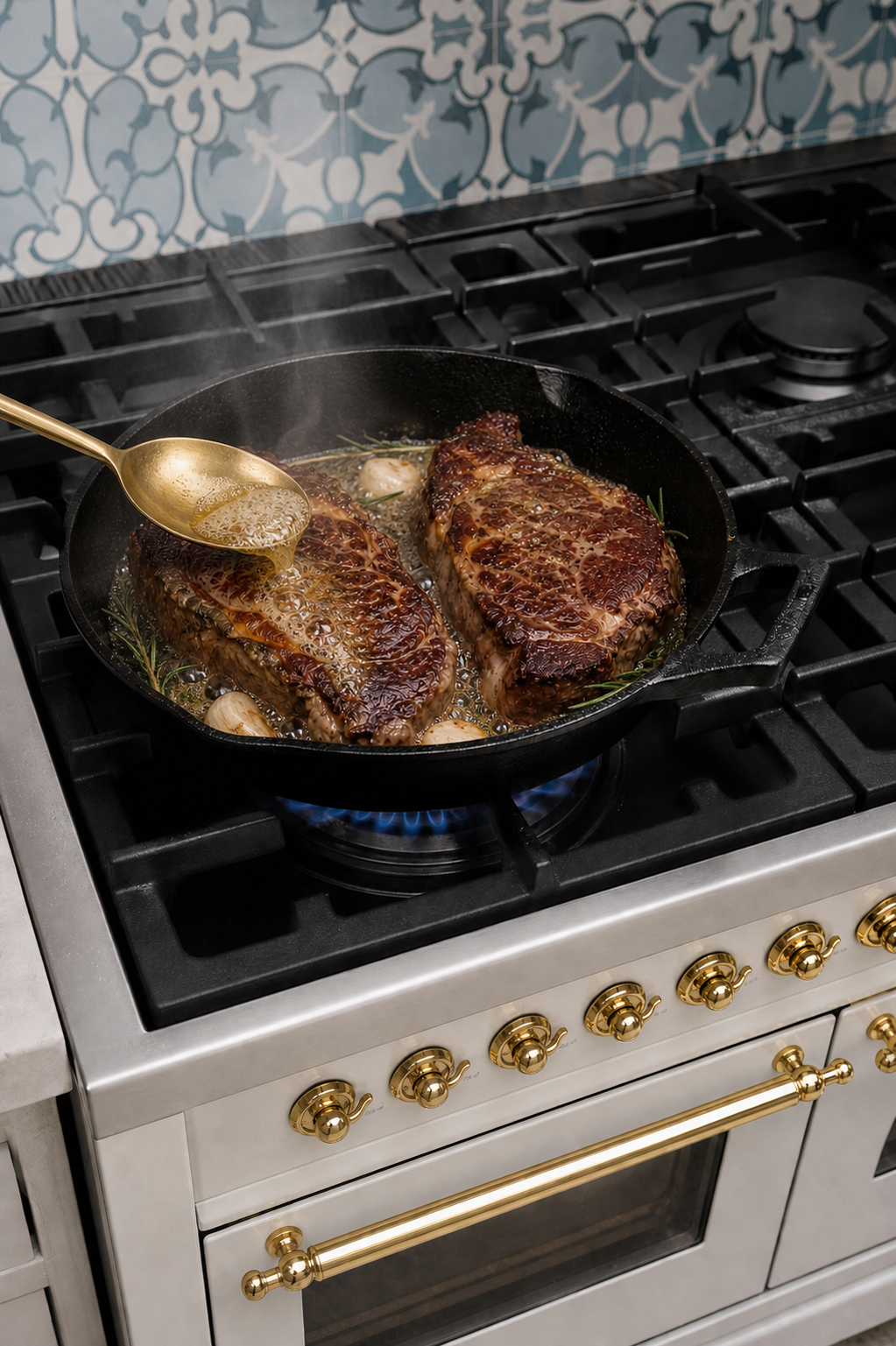
Reduce the heat to medium-low, then add butter, rosemary, and smashed garlic. Tilt the skillet slightly and spoon the melted butter over the steaks continuously until they are about 5°F below your final target temperature.
7. Rest, Slice, and Serve
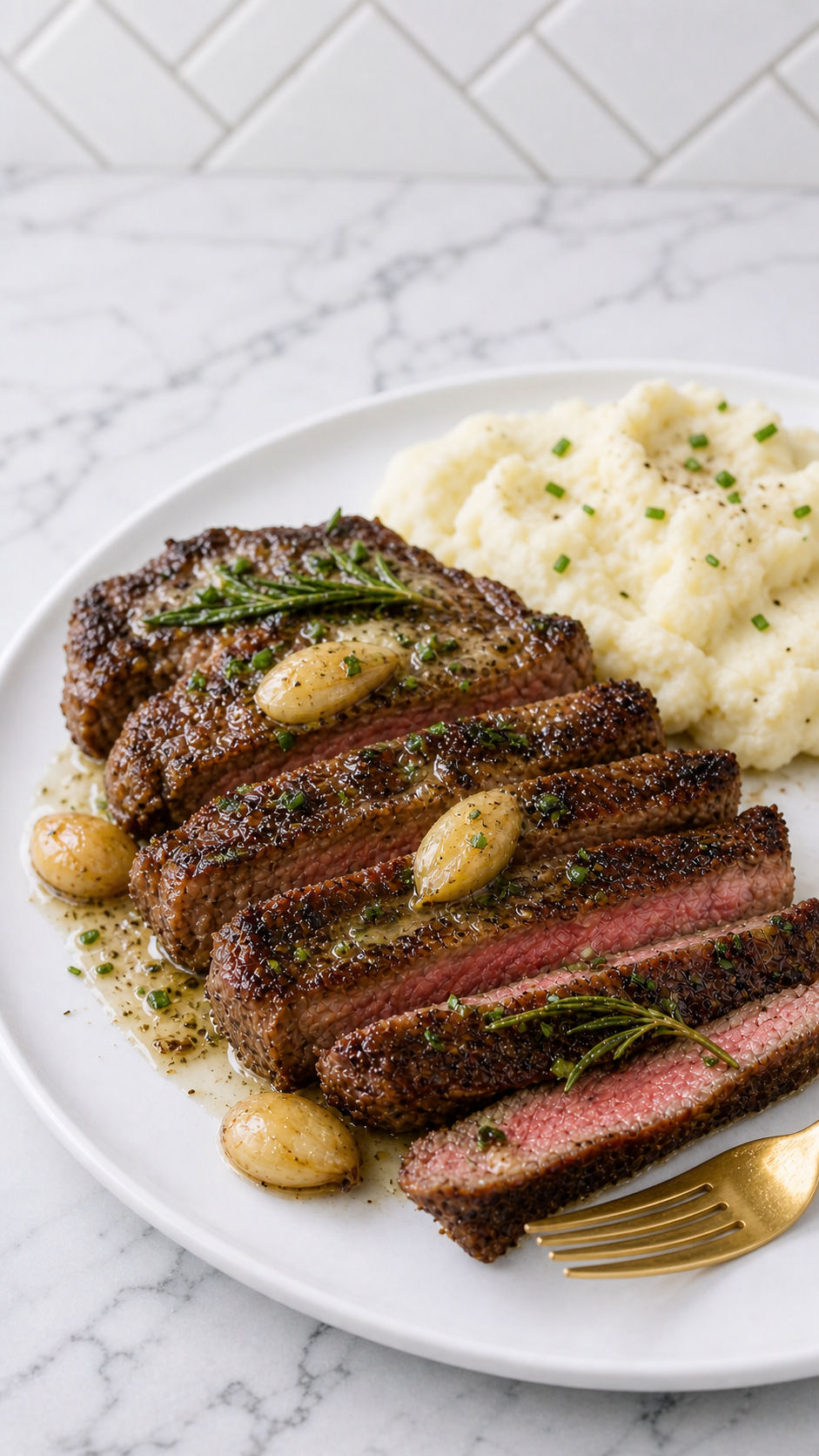
Transfer the steaks to a plate or cutting board, tent loosely with foil, and rest for 5 minutes before slicing or serving. Spoon the melted butter, garlic, and rosemary from the skillet over the steaks when serving.
Internal Temperature Guide
Use an instant read thermometer and remove steaks about 5°F before your desired final internal temperature because the temperature rises during resting.
- Rare: remove around 120°F for a final temperature near 125°F.
- Medium-rare: remove around 125°F for a final temperature near 130°F.
- Medium: remove around 135°F for a final temperature near 140°F.
- Medium-well: remove around 145°F for a final temperature near 150°F.
A Few Easy Mistakes to Avoid
- Starting with too much moisture: A wet steak steams instead of browns.
- Adding fat before the pan is hot: The skillet's temperature sets up the sear.
- Moving the steak too soon: Let the crust form before turning.
- Basting over high heat: Butter can scorch, so reduce the heat before adding it.
- Skipping the thermometer: Internal temperature is more reliable than color alone.
What to Serve with It
Serve cast iron steaks with Duck Fat Oven Roasted Potatoes, sautéed mushrooms, a Wedge Salad, garlic mashed potatoes, steamed vegetables, crusty bread, Garlic Butter Green Beans, or Classic Caesar Salad.
Keeping Leftovers Fresh
Store cooked steaks in an airtight container in the refrigerator for up to 3 days. Reheat gently in a skillet over low heat or in a 275°F oven until warmed through.
Can You Freeze Cooked Steak?
Freeze cooked steaks tightly wrapped for up to 2 months. Thaw overnight in the refrigerator before reheating gently so the steak does not dry out.
FAQs
What oil is best for cast iron steak?
Use beef tallow, avocado oil, vegetable oil, or clarified butter because they tolerate high temperatures better than regular butter. Beef tallow is my personal preference for its savory flavor.
Can I use filet mignon instead of ribeye?
Yes, filet mignon works well in a cast iron pan, but watch the internal temperature closely because leaner cuts can move from perfectly cooked to overdone quickly.
How hot should the pan be?
The cast iron pan should be hot enough to smoke lightly or make a drop of water dance across the surface. A hot pan is what gives you a good sear and Maillard reaction.
Can I cook a half inch steak this way?
You can, but a half inch steak needs much less cook time and will not develop the same deep sear before the center is done. Thicker cuts give better results.
Get More Recipes Like This
Join my email list for practical dinner recipes, kitchen-tested favorites, and the kind of food people actually want to sit down and eat: subscribe here.
Tried It?
If you made these cast iron steaks, I'd love to hear how your sear turned out. A rating helps other cooks know what to expect.
More Recipes to Try
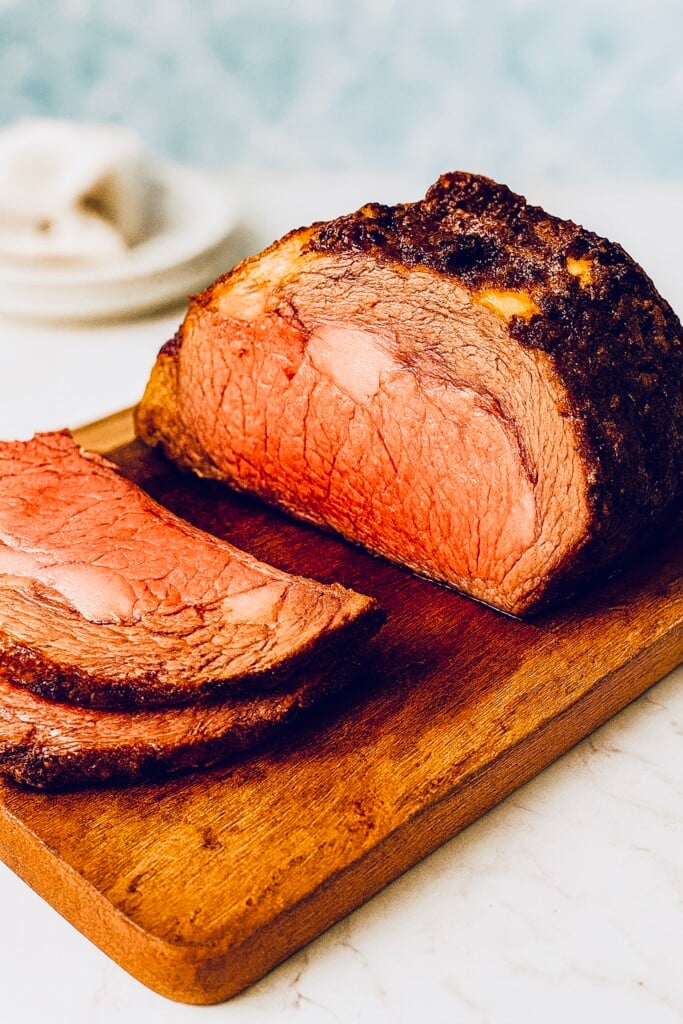
Prime Rib Roast Recipe with Herb Garlic Crust
Juicy, garlic-herb prime rib with a golden crust and rich pan gravy-easy enough for home cooks, impressive enough for holidays, and perfect with mashed potatoes or roasted vegetables.
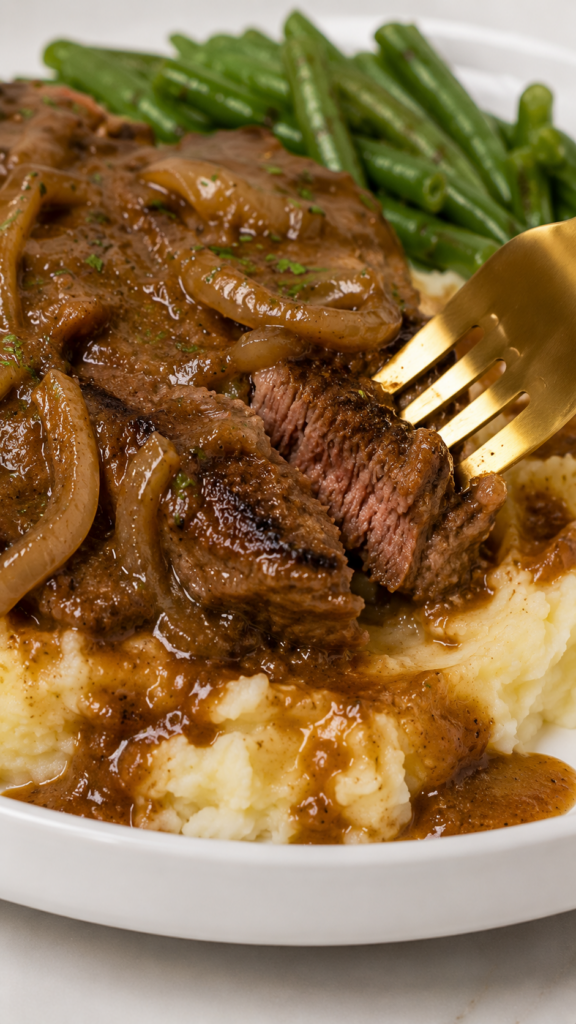
Smothered Steak with Onion Gravy
This smothered steak recipe turns affordable cuts of beef into tender, savory comfort food simmered in rich onion gravy. Serve it over mashed potatoes, rice, or noodles for a cozy family dinner.

Sizzling Fajitas
Mexican food is one of my favorites and I live in a small town that has a taqueria on just about every corner, so I'm usually in luck! And although their fajitas are really good, there's nothing better than home cooked fajitas at home with family and friends. We made these fajitas last week with
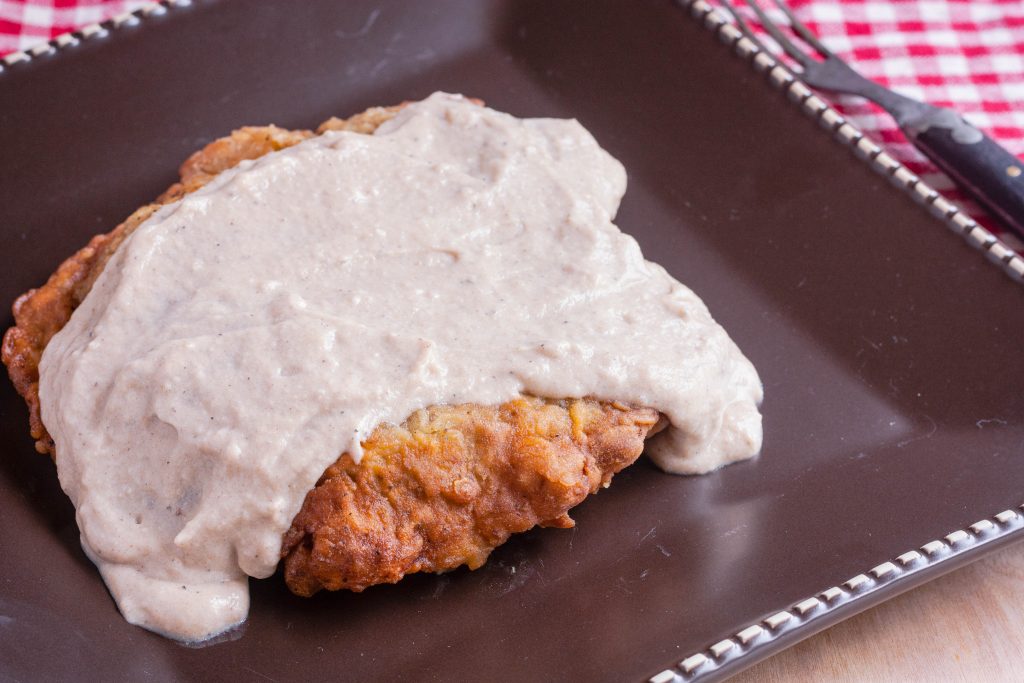
Chicken Fried Steak
One of my favorite meals growing up was Mom's Chicken Fried Steak. She takes a lot of pride in cooking for the family and always makes a feast for dinner. I can almost hear the steaks sizzling in the pan and the smell of garlic and fried beef. If those sounds and smells met us at
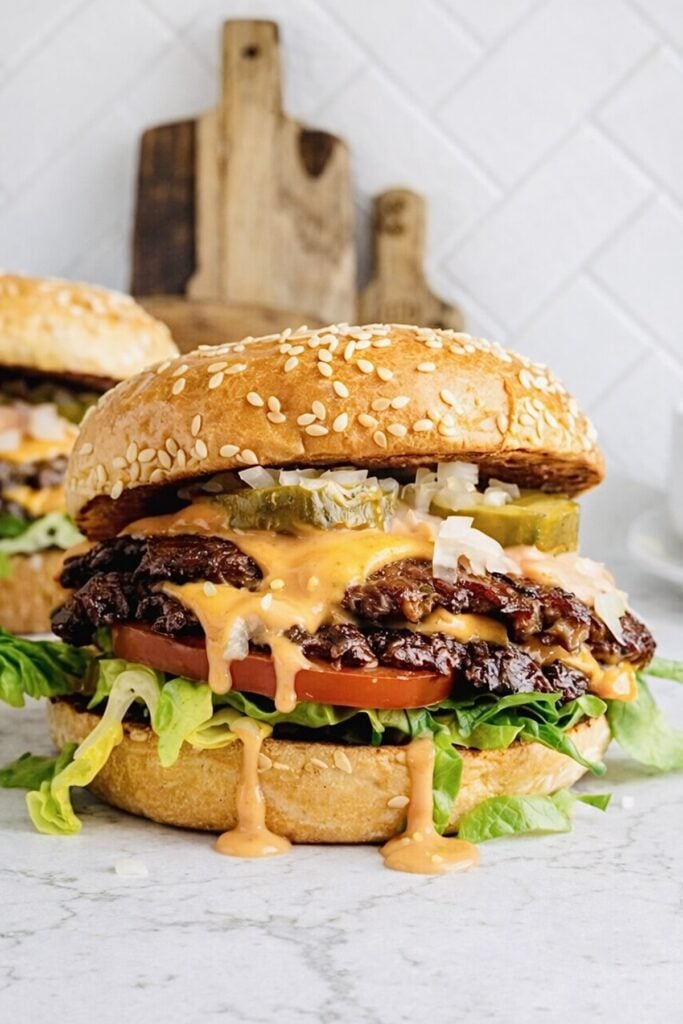
Smash Burgers
These homemade smash burgers feature thin beef patties with crisp, caramelized edges, layers of melted cheddar, and fresh toppings stacked on buttery toasted buns. They're quick to make and deliver classic diner-style flavor right at home.
Recipe
PrintCast Iron Steak
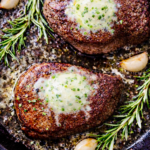
Juicy cast iron steak with garlic-herb butter and a deep stovetop sear for steakhouse flavor at home.
- Prep Time: 10 minutes
- Cook Time: 10 minutes
- Total Time: 20 minutes
- Yield: 2 1x
- Category: Main Dish
- Cuisine: American
Ingredients
- 2 (12-ounce) ribeye steaks (1 to 1 ½ inches thick)
- 1 tablespoon beef tallow (or avocado oil)
- 1 tablespoon avocado oil (or other neutral oil)
- ½ teaspoon kosher salt
- ¼ teaspoon freshly ground black pepper
- 2 tablespoons salted butter
- 2 sprigs fresh rosemary
- 4 cloves garlic (smashed)
Instructions
Preparation
- Remove steaks from the refrigerator and allow them to sit at room temperature for 30 minutes.
- Pat steaks dry thoroughly with paper towels.
- Rub steaks on all sides with 1 tablespoon neutral-flavored oil.
- Season all sides evenly with kosher salt and black pepper.
Preheating the Skillet
- Place a dry cast iron skillet over medium-high heat.
- Preheat for 5-7 minutes before adding any fat.
Searing the Steaks
- Add beef tallow or avocado oil to the hot skillet and heat until shimmering.
- Place steaks in the skillet and cook undisturbed for about 4 minutes.
- Turn steaks using tongs and cook the second side for about 4 minutes.
Basting and Finishing
- Reduce heat to medium-low.
- Add butter, rosemary sprigs, and smashed garlic cloves to the skillet.
- When the butter is melted, tilt the skillet slightly and spoon the melted butter over the steaks continuously.
- Continue basting until steaks reach the desired internal temperature, allowing for approximately a 5°F temperature rise during resting.
Resting and Serving
- Transfer steaks to a plate or cutting board.
- Tent loosely with foil and rest for 5 minutes before slicing or serving.
- Spoon the melted butter, garlic, and rosemary from the skillet over the steaks when serving.
Notes
Substitutions
• Avocado oil, vegetable oil, or clarified butter may replace beef tallow.
• Fresh thyme may be used instead of rosemary.
• Unsalted butter can be used; adjust salt to taste.
Pan Readiness
• The skillet is ready when it begins to smoke slightly or when a drop of water dances across the surface.
Personal Preference
• Beef tallow is my personal preference over oil for steaks because of the savory, rich flavor it adds.
Other Steak Cuts That Work Well
• New York strip
• Top sirloin
• T-bone
• Porterhouse
• Filet mignon
• Flat iron
Serving Suggestions and Pairings
• Serve with my Duck Fat Oven Roasted Potatoes, sautéed mushrooms, or my Wedge Salad.
• Pair with steamed vegetables, garlic mashed potatoes, or crusty bread.
Storage and Freezing
• Store cooked steaks in an airtight container in the refrigerator for up to 3 days.
• Reheat gently in a skillet over low heat or in a 275°F oven until warmed through.
• Freeze cooked steaks tightly wrapped for up to 2 months. Thaw overnight in the refrigerator before reheating.
Nutrition
- Calories: 941
- Sugar: 0.1
- Sodium: 849
- Fat: 74
- Saturated Fat: 30
- Carbohydrates: 2
- Fiber: 0.2
- Protein: 69
- Cholesterol: 238





0