

Garlic herb crusted prime rib is a special-dinner roast with a browned rosemary-garlic crust, tender slices, rich pan gravy, and creamy horseradish sauce. I coat the beef with salted herb butter, start it in a hot oven, then lower the heat and let the thermometer guide the finish. You can use a boneless roast or a larger bone-in roast for the same generous family meal.
Why You'll Love This Recipe
- A full plate of flavor: Rosemary, thyme, garlic, and salted butter season the roast, while its drippings become the sauce.
- A useful oven method: The high-heat start builds the crust; the lower-temperature finish gives you time to watch the center.
- A special-occasion centerpiece: Serve it for Christmas dinner, a birthday, or a gathering that calls for something memorable.
- Two ways to buy it: Choose boneless beef for easier carving or bone-in beef and remove the ribs after resting.
Recipe at a Glance
Serves: About 10 with plenty of sides. Active prep: 10 minutes. Counter rest: 1 hour. Oven time: About 1 hour 45 minutes, estimated. Rest after roasting: 30 minutes. Plan on: About 3½ hours altogether; a larger bone-in roast may take longer.
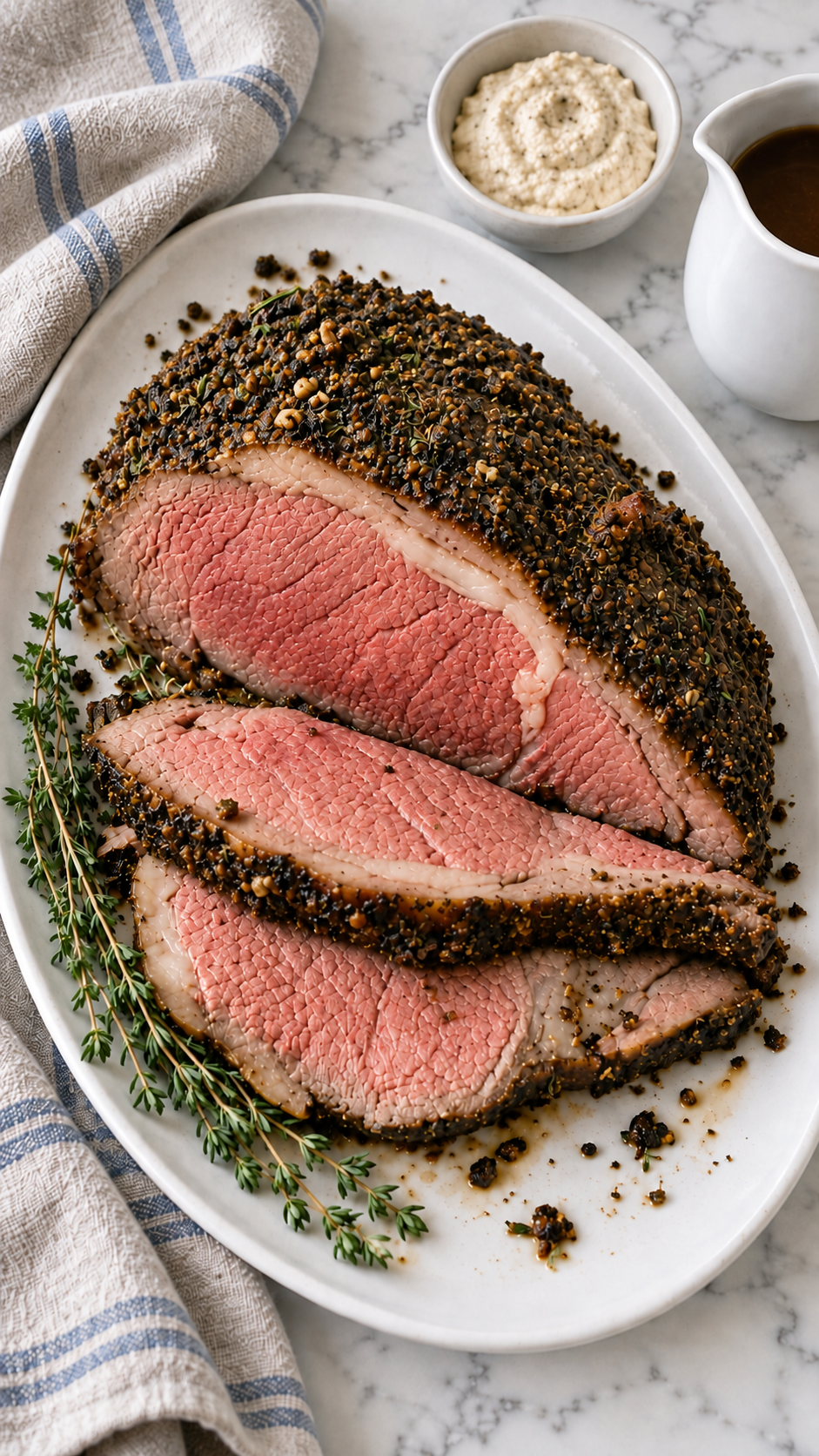
Why Prime Rib Still Feels Special
I didn't grow up with prime rib on the table, not even close. Our family grocery budget was tight-the kind of tight where my mom somehow fed us on fifty dollars a week in the late '80s and early '90s and never once made it feel like we were missing meals. But it did mean the cheapest beef cuts, boneless roasts when they were deeply discounted, and absolutely no extras. Snacks weren't bought-they were leftovers. If something was still edible the next day, that was fair game.
There was a whole aisle in our grocery store devoted to generic foods, all white packaging with black lettering, and my sister and I hated going down it. The fluorescent lights felt harsher there, the cart wheels louder. We were convinced everyone we knew was watching us load up boxes that proudly announced things like "macaroni & cheese" and "potato chips." My mom would whisper-loudly-that no one probably cared, but we were sure we'd round the corner and run straight into the popular girl from school and her mom, silently judging our black-and-white cart. Most of our groceries came from that aisle, just like most of our clothes came from knock-off store racks. I even had a purple pair of parachute pants I wore in fifth grade that were definitely not name brand-and I wore them proudly, because you wore what you had.
So prime rib? That was steakhouse food-holiday food for other families. The kind of meal that meant there was room in the budget for something extra, something indulgent. It lived on menus and in magazines, not in our kitchen. It took a long time before I realized how much those years shaped the way I cook now-and why something like a perfectly cooked prime rib still feels special every single time.
My brother-in-law Greg went to high school with my sister and me, so he's always felt more like a brother. His dad worked at NASA, which, in my teenage mind, meant they were rich. And his family did-and still does-have a tradition of serving a well-marbled prime rib roast during special occasions, especially during the holiday season. The first time I sat down to a table like that, it felt familiar from something I'd read about, and completely new all at once.
Since culinary school, restaurant work, and a few helpful tips from Greg's dad, I've learned to cook prime rib carefully-high heat first, then a lower temperature-watching the meat thermometer like a hawk because I want perfect results. Cooking it now feels intentional instead of intimidating, and that difference matters.
And honestly? Prime rib still feels like a complete luxury, and leftover prime rib the next day feels like a dream. That's how I know this recipe matters.
Ingredients You'll Need
- Prime rib: A well-marbled boneless roast or a larger bone-in roast.
- Salted butter, garlic, rosemary, and thyme: Soften the butter, mince the garlic, and chop the fresh herbs for a spreadable rub.
- Sea salt and freshly ground black pepper: Season the butter before it touches the raw beef.
- Sour cream, prepared horseradish, and mayonnaise: The creamy sauce base; drain the horseradish first.
- Lemon juice, Worcestershire sauce, salt, pepper, and chives: Stir these into the horseradish sauce.
- Beef broth or water: Loosen the pan drippings for the gravy; cornstarch is optional if you prefer a thicker sauce.
 Buy Now →
  Buy Now →
  Buy Now →
  Buy Now →
  Buy Now →
  Buy Now →
  Buy Now →
  Buy Now →
  Buy Now →
  Buy Now →
  Buy Now →
  Buy Now →
  Buy Now →
  Buy Now →
  Buy Now →
  Buy Now →
  Buy Now →
Ingredient Notes & Substitutions
- Buying the roast: Plan on a 5-pound boneless roast or 7-8 pounds bone-in for about 10 people when you have plenty of sides. The bones contribute to the weight, so the two roasts are not interchangeable pound for pound.
- Season the butter first: Start with ½ teaspoon sea salt and taste the herb butter before applying it to raw meat. Adjust to your taste, remembering that the butter is already salted.
- Dried-herb option: The original tested substitution is 1 teaspoon dried rosemary and ½ teaspoon dried thyme. Fresh rosemary and thyme give the crust its brighter flavor.
- Garlic-powder option: Use about 1 teaspoon garlic powder in place of fresh garlic if needed.
- Horseradish: Use prepared horseradish, drained, for the sauce. Add more a tablespoon at a time if you want a stronger bite.
Tools That Make It Easier
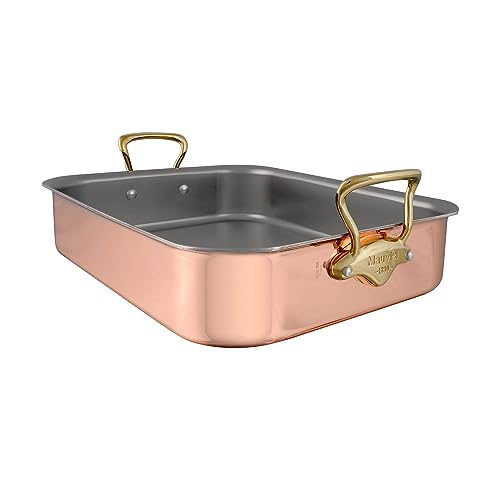
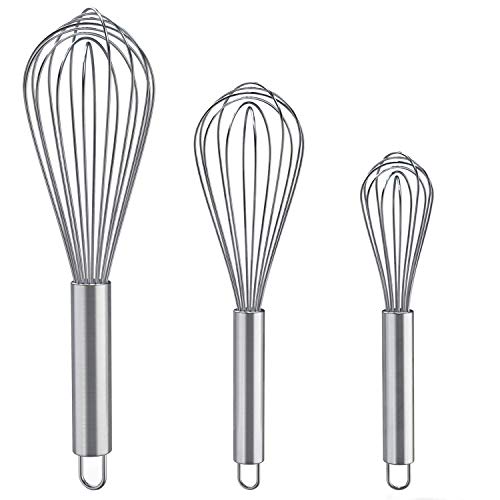
I use these tools when I make prime rib: a roasting pan with a rack for boneless beef, an instant-read meat thermometer, mixing bowls, measuring cups and spoons, a spatula, paper towels, foil, a chef's knife, a large cutting board, a small saucepan, a whisk, and a wooden spoon. Kitchen shears help remove the string from a tied bone-in roast.
 Buy Now →
  Buy Now →
  Buy Now →
  Buy Now →
  Buy Now →
  Buy Now →
  Buy Now →
  Buy Now →
  Buy Now →
  Buy Now →
  Buy Now →
  Buy Now →
  Buy Now →
  Buy Now →
 This post may contain affiliate links. I may receive commissions for purchases made through links in this post.
Visit my Amazon Store for everything you need to cook up a storm, bake delicious treats, and whip up your favorite beverages!
How to Make Garlic Herb Crusted Prime Rib
The oven clock is a planning tool. Roast size, shape, starting temperature, and your oven all affect the finish, so use the thermometer rather than a fixed minutes-per-pound promise.
Step 1 - Take the chill off: Remove the roast from the refrigerator about an hour before cooking and cover it loosely. This takes the chill off; the center of a large roast may still be cool.
Step 2 - Mix the herb-garlic butter: Mix softened salted butter with minced garlic, chopped rosemary and thyme, sea salt, and black pepper until you have a paste. Taste and adjust the salt before the mixture touches raw beef.
Step 3 - Season and position the roast: Pat the roast dry, coat every surface with the herb butter, and preheat the oven to 500°F with the rack in the center. Set bone-in beef bones down in the roasting pan, or put boneless beef on a rack in the pan.
Step 4 - Roast, then follow the thermometer: Roast at 500°F for 15 minutes to brown the crust, then reduce the oven to 325°F and continue roasting, checking the thickest part away from bones. Allow roughly 1 hour 45 minutes of total oven time as an estimate; plan for carryover cooking during the rest rather than treating that estimate as a deadline.
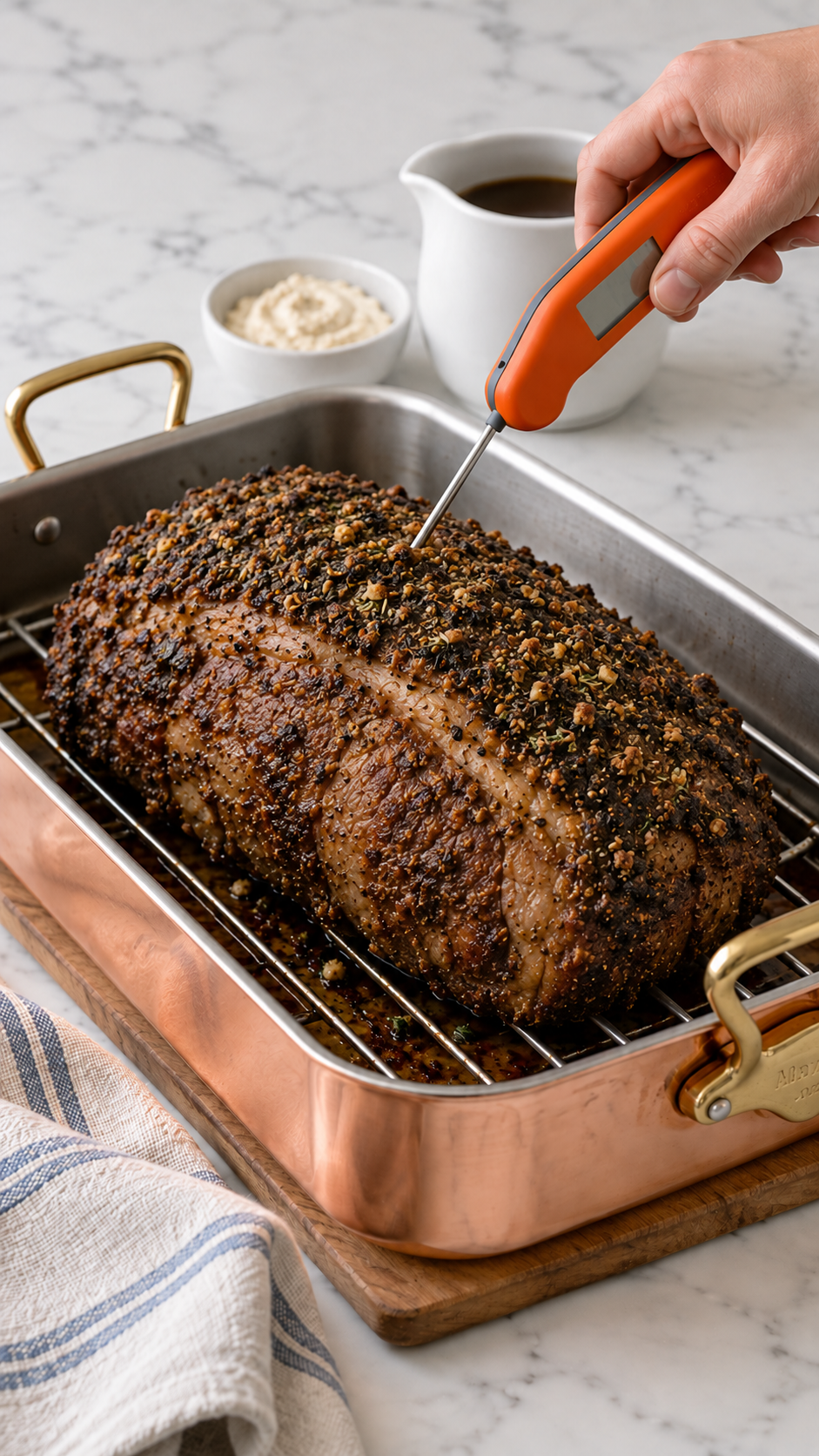
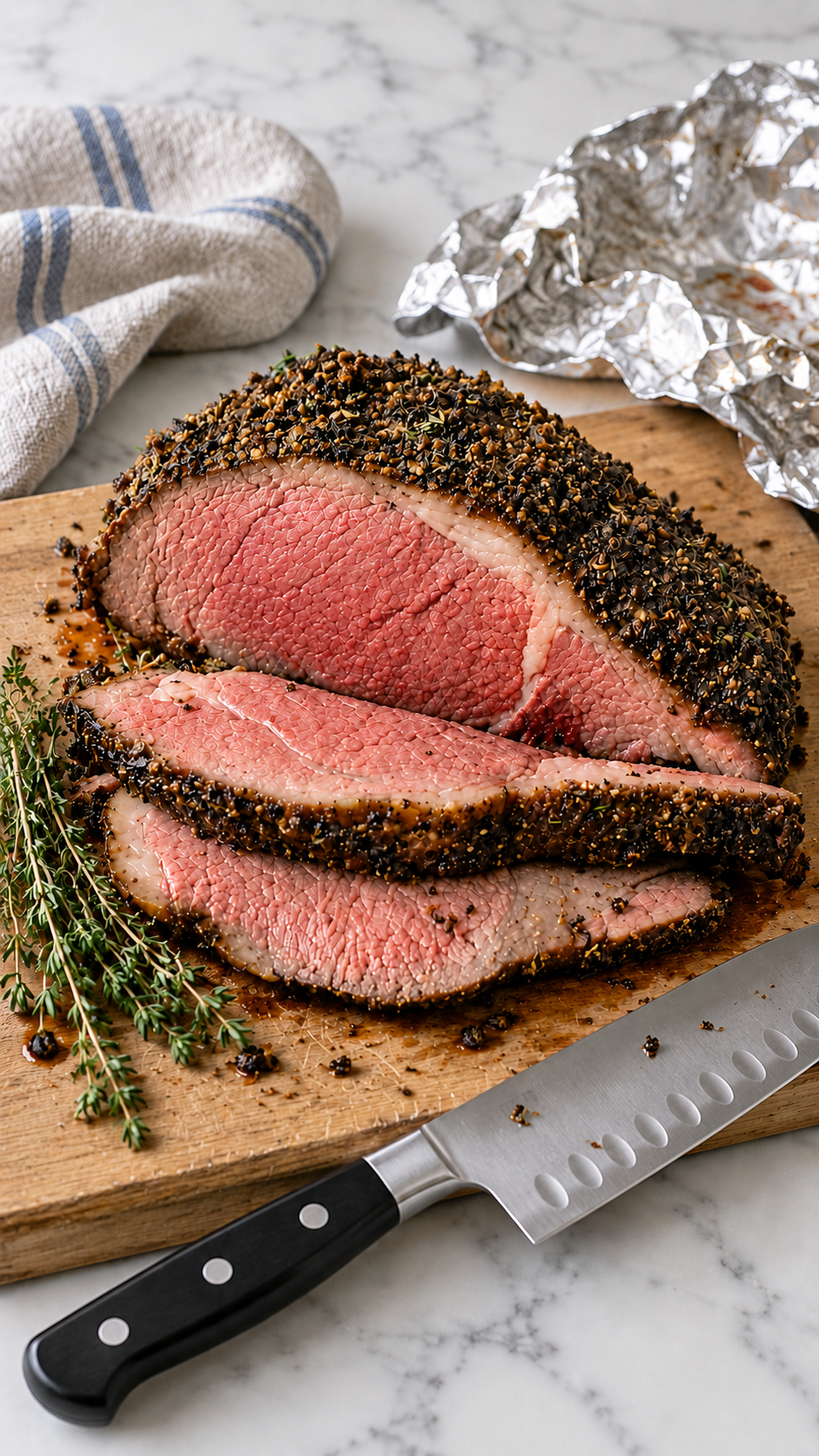
Step 5 - Rest and carve: Tent the roast loosely with foil and rest for 30 minutes so the juices settle before carving. For bone-in beef, cut off any string and remove the bones, then carve across the grain into thick slices.
Step 6 - Make the pan gravy: Loosen the browned drippings with a splash of beef broth or water, transfer to a small saucepan, and simmer to reduce slightly. Skim excess fat, adjust seasoning, and spoon the warm jus over the beef.
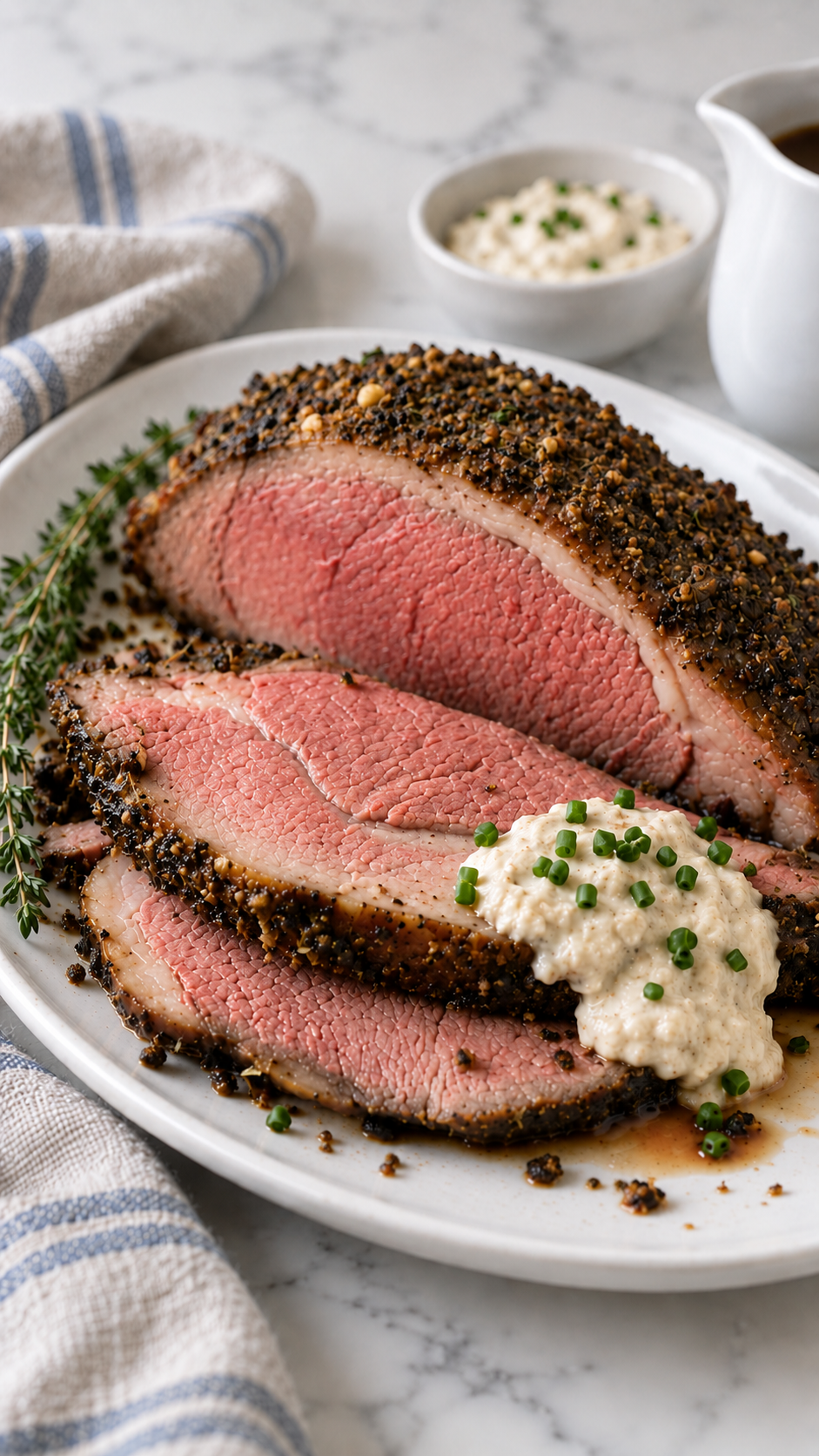
Step 7 - Stir the horseradish sauce: Stir sour cream, drained prepared horseradish, mayonnaise, lemon juice, Worcestershire sauce, salt, black pepper, and chives until smooth. Serve it alongside the roast, or cover and refrigerate until serving.
Thermometer Doneness and Carryover Cooking
The center can rise about 5-10°F during resting. That matters when planning your preferred finished doneness, but a lower culinary pull temperature is not the same as the USDA food-safety recommendation: cook beef roasts to at least 145°F before removing them from the heat, then rest for at least 3 minutes. This recipe uses a longer 30-minute rest for carving.
Chef's Tips for the Crust and Gravy
- Start with a dry surface: Pat the beef dry before applying the butter so the rub coats it evenly.
- Keep the probe in the meat: Check the thickest part and avoid touching a rib bone with the thermometer.
- Choose jus or thicker gravy: For a thicker sauce, stir 2 tablespoons cornstarch into 1 cup water. Slowly whisk it into boiling drippings only until the sauce reaches the consistency you like; thin with broth or water if needed.
- Save the pan flavor: Use the browned drippings for the jus, then skim the fat and taste before adding more salt.
A Few Mistakes to Avoid
- Following the timer instead of the thermometer: A roast can finish earlier or later than expected. Check its center and adjust the oven time.
- Slicing immediately: Give the roast its full rest before carving rather than losing those juices onto the cutting board.
- Calling every roast the same size: The bone-in option weighs more. Leave extra room in the dinner timeline for that larger roast.
Keeping Leftovers Fresh
Refrigerate leftover beef and gravy in airtight containers for up to 3 days, putting leftovers away within 2 hours. Freeze sliced roast and gravy in freezer-safe containers for up to 3 months. Thaw in the refrigerator, then reheat gently in a low oven or warm slices in gravy on the stovetop; USDA recommends reheating leftovers to 165°F.
My Favorite Storage Containers

Rubbermaid Brilliance Storage Containers
Buy Now → Buy Now →
  Buy Now →
  Buy Now →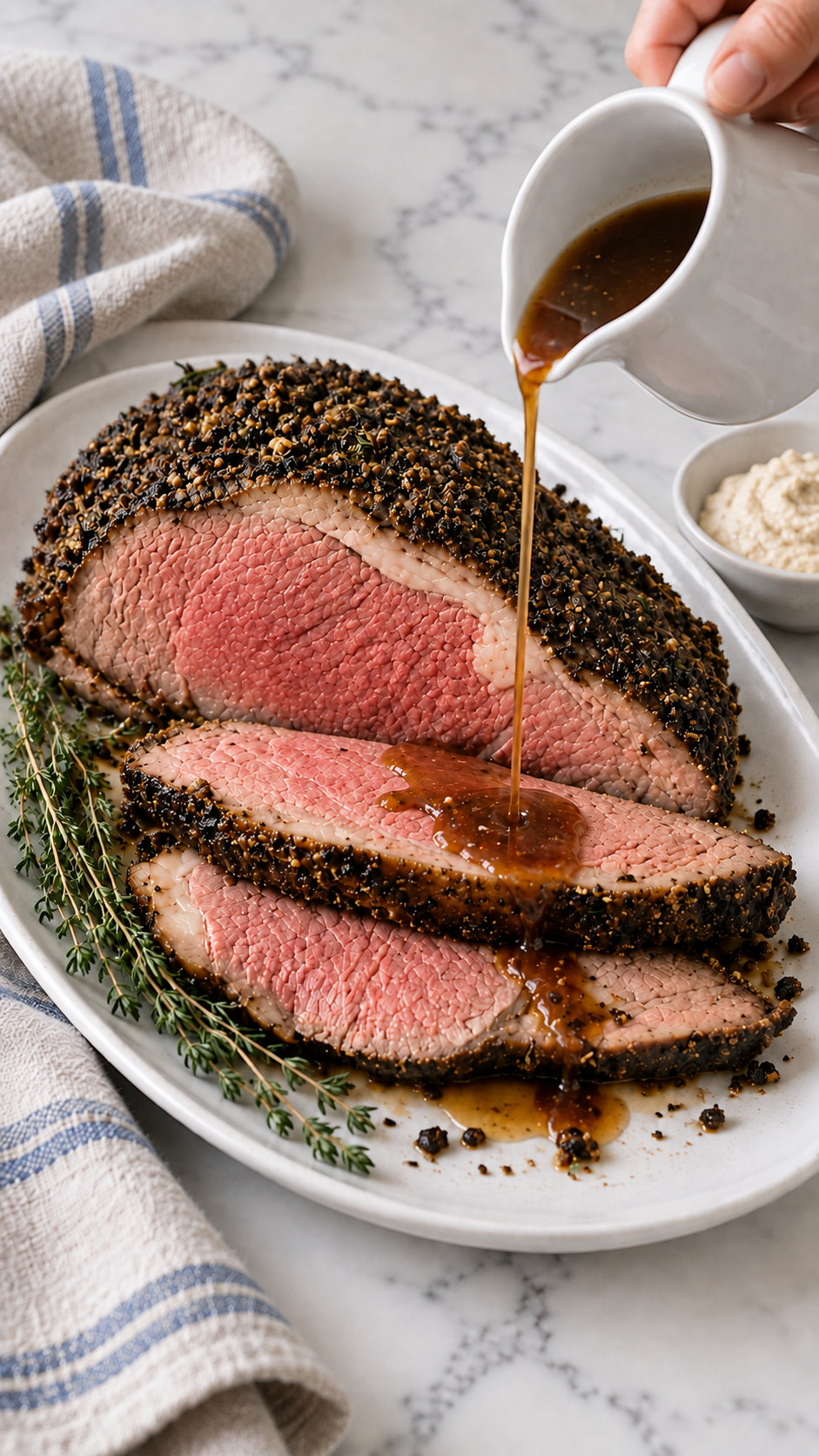
What to Serve with Prime Rib
Build a dinner plate with Roasted Garlic Mashed Potatoes, Classic Wedge Salad with Creamy Blue Cheese Dressing, Sautéed Garlic Butter Green Beans. Warm dinner rolls or garlic bread are good for soaking up the gravy.
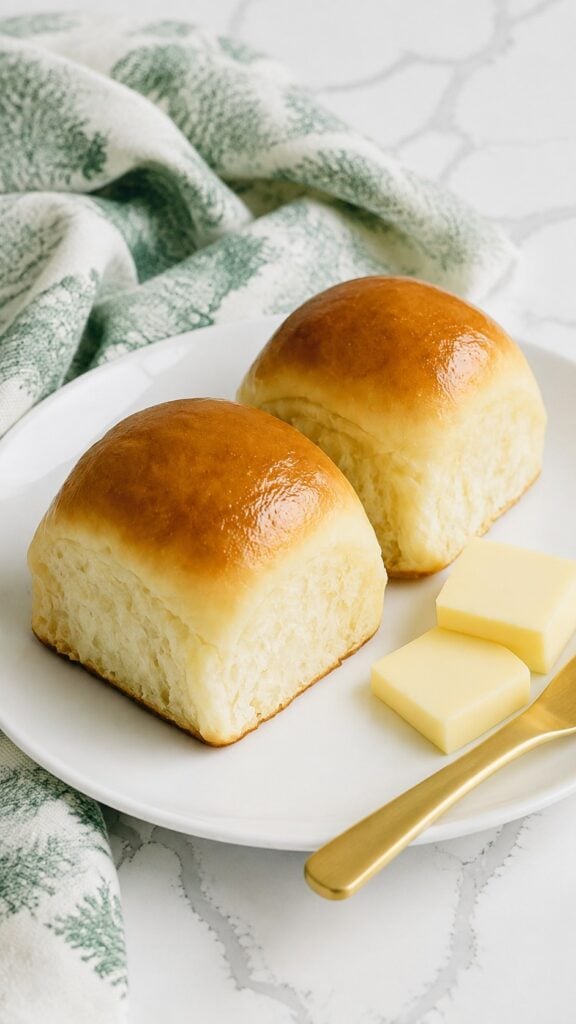
Homemade Yeast Rolls
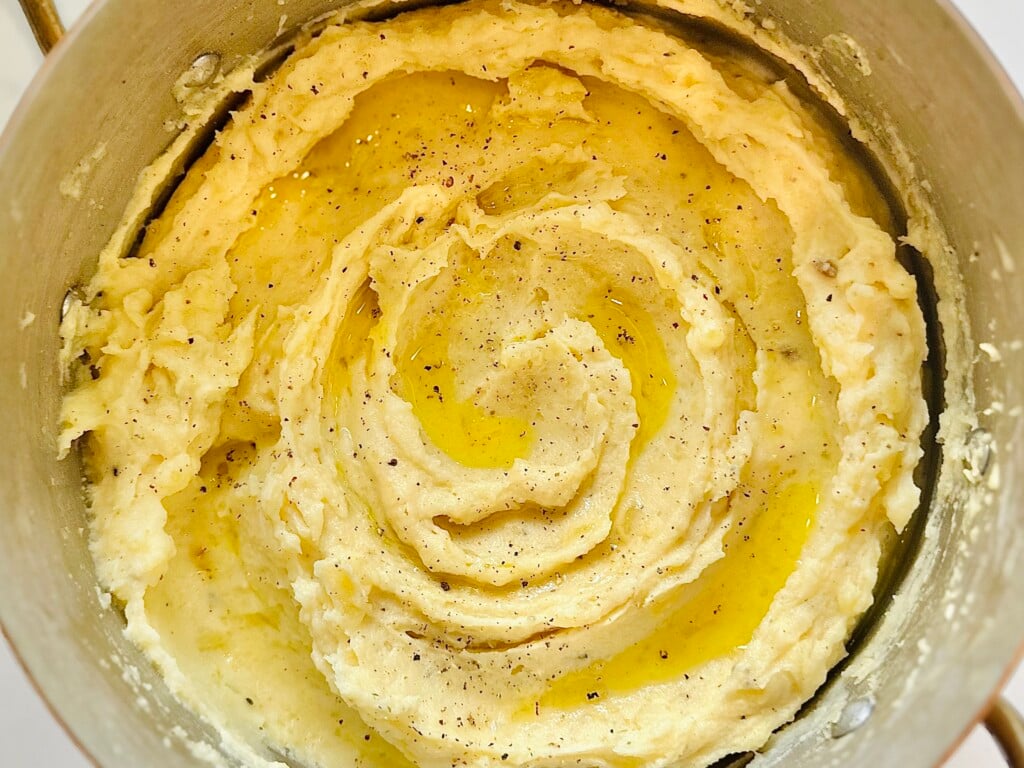
Roasted Garlic Mashed Potatoes
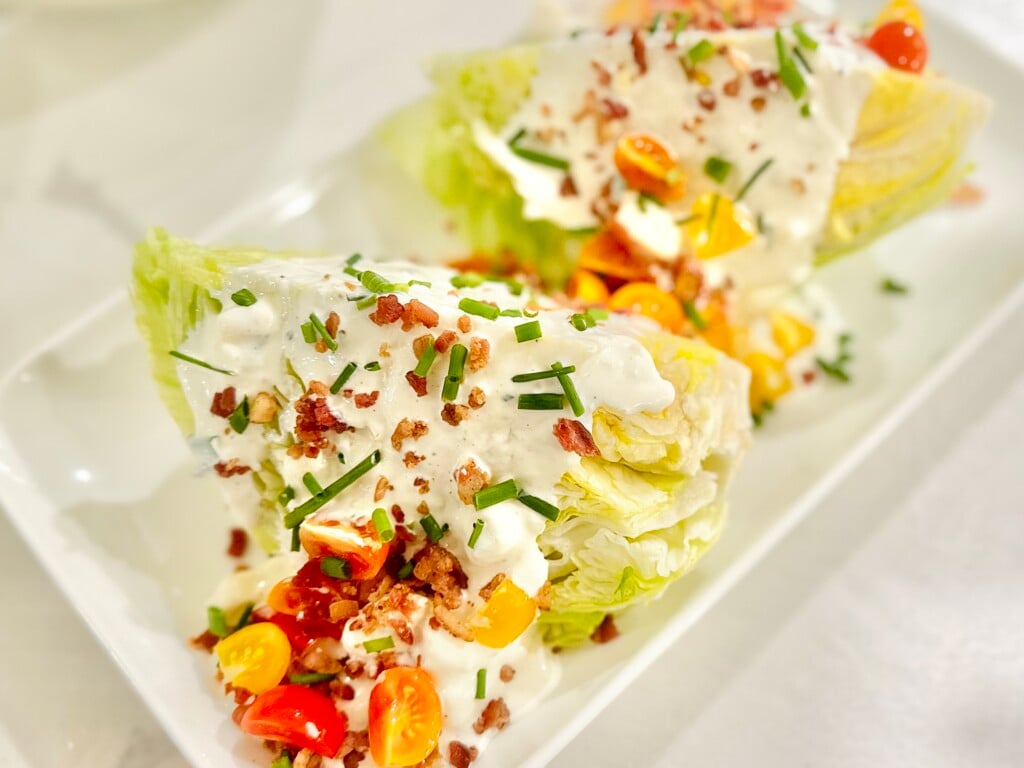
Classic Wedge Salad with Creamy Blue Cheese Dressing

Sautéed Garlic Butter Green Beans
FAQs
Can I use a roast with the bones cut off and tied back on?
Yes, use the bone-in positioning: keep the bones underneath while the roast cooks. After resting, cut away the string and lift off the bones before slicing.
What if I have very little pan gravy?
Add beef broth or water to the drippings and adjust the seasoning. There is no fixed gravy yield in this recipe; the amount depends on the roast and the liquid you add.
Can I prepare the horseradish sauce before dinner?
Yes. Stir the sauce together, cover it, and refrigerate until serving so the flavors can meld. This recipe does not require roasting and reheating the beef ahead.
Where does the Worcestershire sauce go?
It belongs in the creamy horseradish sauce in this recipe. The pan jus is made from roast drippings and beef broth or water.
Get More Recipes Like This
If you love holiday classics and special-occasion recipes, join my email list. I send out my best weeknight dinners, holiday favorites, and reader-requested recipes straight to your inbox.
I'll also send you My 5 Chef Secrets, the techniques I use in my own kitchen.
Tell Me How It Turned Out
Leave a comment below and tell me who you made it for, how you served it, or what you changed. If you made this recipe, please leave an honest rating and review, and tag your plate on Instagram with #jennifercooks.
More Recipes You Might Like

Copycat Honey Baked Ham
Sweet-spiced glaze, that crackly sugar crust, and a holiday-worthy ham that looks like you went all out (even if you didn't).

Seared Chilean Sea Bass with Lemon Butter Caper Sauce
Silky, restaurant-style sea bass with a bright, buttery sauce that feels elegant but comes together surprisingly easily.

Marry Me Salmon
Creamy, savory, and packed with flavor, this salmon earns its name with a sauce that begs to be spooned over every bite.

Creamy Spinach Artichoke Stuffed Chicken Breasts
Everything you love about the classic dip, tucked inside juicy chicken breasts for a main dish that feels indulgent and comforting.

White Chicken Enchiladas with Creamy Salsa Verde
Rich, cozy, and perfect for feeding a crowd, these enchiladas strike that sweet spot between familiar and special-occasion worthy.
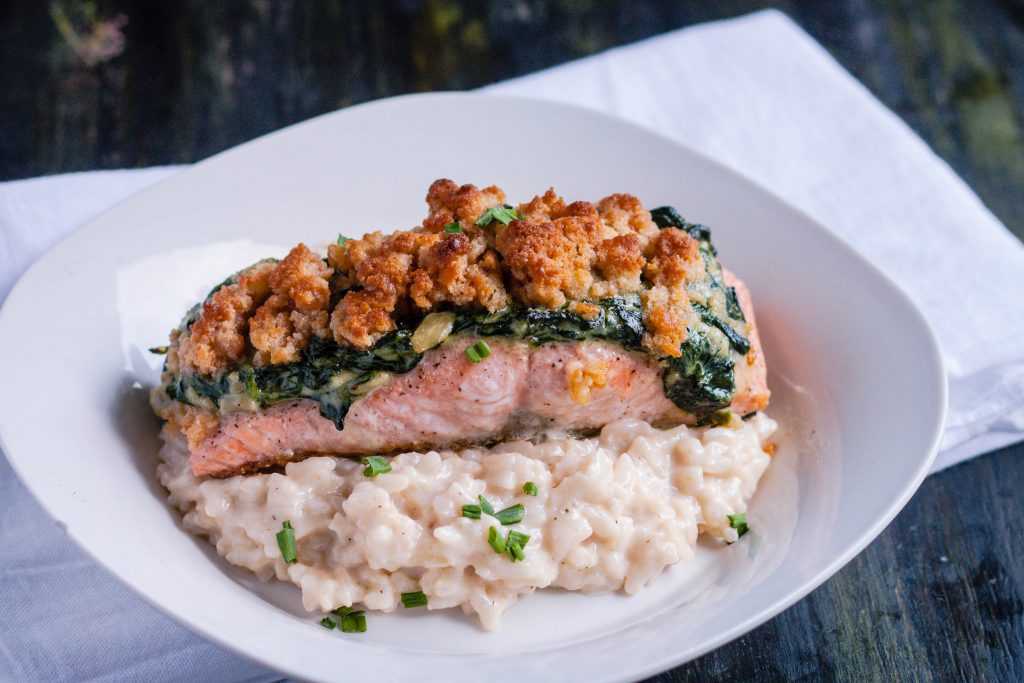
Salmon Florentine
Tender salmon nestled in a creamy spinach sauce-classic, satisfying, and just fancy enough to make a weeknight feel dressed up.
Recipe
PrintGarlic Herb Crusted Prime Rib with Pan Gravy
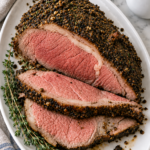
Garlic herb crusted prime rib pairs tender beef with rich pan gravy and creamy horseradish sauce. A special dinner roast with a simple high-heat, lower-heat method.
- Prep Time: 70 minutes
- Cook Time: 105 minutes
- Total Time: 205 minutes
- Yield: About 10 servings 1x
- Category: Dinner
- Method: Roasting
- Cuisine: American
Ingredients
Prime Rib
- 5 pounds boneless beef prime rib (or 7-8 pounds bone-in), about 10 servings with sides
- ½ teaspoon sea salt, plus more to taste in the rub before contact with raw beef
- 2 teaspoons freshly ground black pepper
- 1 tablespoon fresh rosemary, chopped
- 1 tablespoon fresh thyme, chopped
- 8 cloves garlic, minced
- 4 tablespoons salted butter, softened
Pan Gravy
- Pan drippings from the roast
- Beef broth or water, a splash for deglazing and more as needed
- Optional: 2 tablespoons cornstarch mixed with 1 cup water, for thicker gravy
Horseradish Sauce
- 1 cup sour cream
- 6 tablespoons prepared horseradish, drained
- 4 tablespoons mayonnaise
- 2 teaspoons fresh lemon juice
- 1 tablespoon Worcestershire sauce
- ½ teaspoon salt
- ¼ teaspoon freshly cracked black pepper
- 2 tablespoons fresh chives, finely chopped
Instructions
- Take the chill off the roast. Remove the roast from the refrigerator about 1 hour before cooking and loosely cover it. A large roast may still feel cool in the center.
- Prepare the herb-garlic butter. Mix softened salted butter, sea salt, black pepper, rosemary, thyme, and garlic into a paste. Taste and adjust the salt before the paste touches raw beef. Pat the roast dry with paper towels and coat every surface evenly.
- Position the roast and preheat. Set the oven rack in the center and preheat to 500°F. Put a bone-in roast bones-down in a roasting pan; set a boneless roast on a rack in the pan.
- Sear and finish roasting. Roast at 500°F for 15 minutes, then reduce to 325°F and continue until the roast reaches your chosen thermometer endpoint. Approximately 1 hour 45 minutes total oven time is an estimate; weight, shape, and starting temperature change the timing. Insert an instant-read thermometer in the thickest part, avoiding bone. The roast can rise 5-10°F during the 30-minute rest. USDA recommends beef roasts reach 145°F before removal from the oven, followed by at least 3 minutes resting; lower rare or medium-rare endpoints do not meet that recommendation.
- Rest and carve. Remove the roast and loosely tent it with foil. Rest for 30 minutes. If bone-in and tied, cut the string and remove the bones. Slice across the grain into thick slices.
- Make the pan gravy. Pour drippings into a saucepan and deglaze the roasting pan with a splash of beef broth or water. Add the deglazing liquid to the saucepan, simmer, and reduce slightly. Skim excess fat, adjust seasoning, and spoon the warm jus over the beef. For thicker gravy, whisk 2 tablespoons cornstarch with 1 cup water, then slowly whisk the slurry into boiling drippings until thickened as desired. Add more broth or water if needed.
- Make the horseradish sauce. Stir sour cream, drained prepared horseradish, mayonnaise, lemon juice, Worcestershire sauce, salt, pepper, and chives together in a small mixing bowl until smooth. Serve immediately, or cover and refrigerate until serving. Add more prepared horseradish a tablespoon at a time if you like a stronger bite.
Equipment
Buy Now → 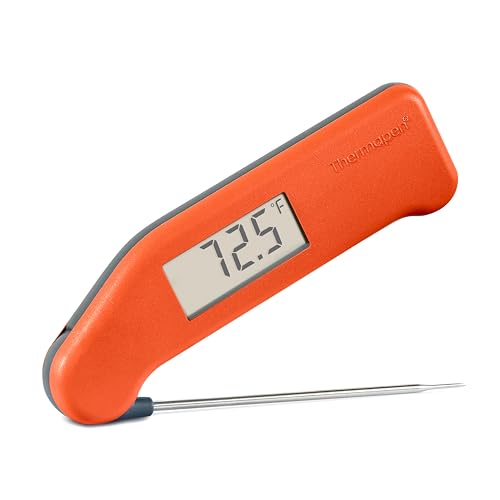 Buy Now →
Buy Now →
Buy Now →
Buy Now →
Buy Now →
Buy Now →
Buy Now →  Buy Now →
  Buy Now →
Buy Now →
Buy Now →
Buy Now →
Buy Now →
Buy Now →
Buy Now →
Buy Now →
Buy Now →
Buy Now →
Buy Now →
Buy Now →
Buy Now → Notes
Timing includes 10 minutes active preparation, 1 hour to take the chill off the roast, approximately 1 hour 45 minutes in the oven, and 30 minutes resting. Oven time is an estimate; use an instant-read thermometer. For about 10 servings with plenty of sides, use 5 pounds boneless prime rib or 7-8 pounds bone-in. Use a rack for a boneless roast. Taste and adjust the herb butter before it touches raw beef. Tested substitutions: 1 teaspoon dried rosemary, ½ teaspoon dried thyme, or 1 teaspoon garlic powder. Refrigerate leftover roast in an airtight container for up to 3 days; freeze sliced roast and gravy for up to 3 months. Reheat leftovers to 165°F. Keep the horseradish sauce covered and refrigerated until serving.




Comments
No Comments