
This post may contain affiliate links. I may receive commissions for purchases made through links in this post.

Wild Mustang grape jelly is one of those Texas summer recipes that turns a bucket of tart wild grapes into glossy, jewel-colored jars for biscuits, toast, cream cheese, and gifts. Mustang grapes are intensely acidic, which is exactly why they make such bright, delicious jelly.
To make wild Mustang grape jelly, combine 4 ¾ cups Mustang grape juice with bottled lemon juice and powdered pectin, bring it to a full rolling boil, add all the sugar at once, boil hard for exactly 1 minute, then ladle the hot jelly into sterilized half-pint jars and process them in a boiling-water canner for 5 minutes.
What Is Wild Mustang Grape Jelly?
Wild Mustang grape jelly is a sweet-tart grape jelly made from the juice of native Mustang grapes, a wild grape common in Central and South Texas. The grapes are usually too acidic to eat raw, but their bold flavor makes a clear, deeply colored jelly with a uniquely Texas personality.
Why You'll Love This Recipe
- True Texas flavor: wild Mustang grapes have a tart, concentrated grape flavor you cannot quite get from grocery-store juice.
- Small-batch friendly: one batch makes about 7 half-pint jars, which is manageable for a home canning day.
- Clear pectin sequence: powdered pectin goes in before the sugar, which matters for a reliable set.
- Pantry or freezer options: can it in jars or freeze it in freezer-safe containers if you do not want to water-bath process.
- Gift-worthy jars: this deep ruby jelly is beautiful enough for holiday baskets, hostess gifts, and neighbor drop-offs.
Recipe At-a-Glance
| Yield | About 7 half-pint jars |
| Flavor | Tart wild grape, bright lemon, sweet jelly finish |
| Texture | Clear, glossy, spreadable jelly |
| Prep Time | 20 minutes |
| Cook Time | 20 minutes |
| Processing Time | 5 minutes |
| Best Season | Mid-July through August, when Mustang grapes are ripe in Texas |
| Storage | Up to 1 year for properly sealed jars; refrigerate after opening |
Where Mustang Grapes Grow
Mustang grapes grow wild across much of Central and South Texas, often climbing fence rows, brush, trees, and roadsides. They are usually ready in mid-July and can hang into August, but ripe grapes disappear fast once the birds find them.
Wear gloves when picking or processing Mustang grapes. Their juice is so acidic that it can make your hands itch or feel irritated, and gloves are a small price to pay for a calmer canning day.
Ingredients You'll Need
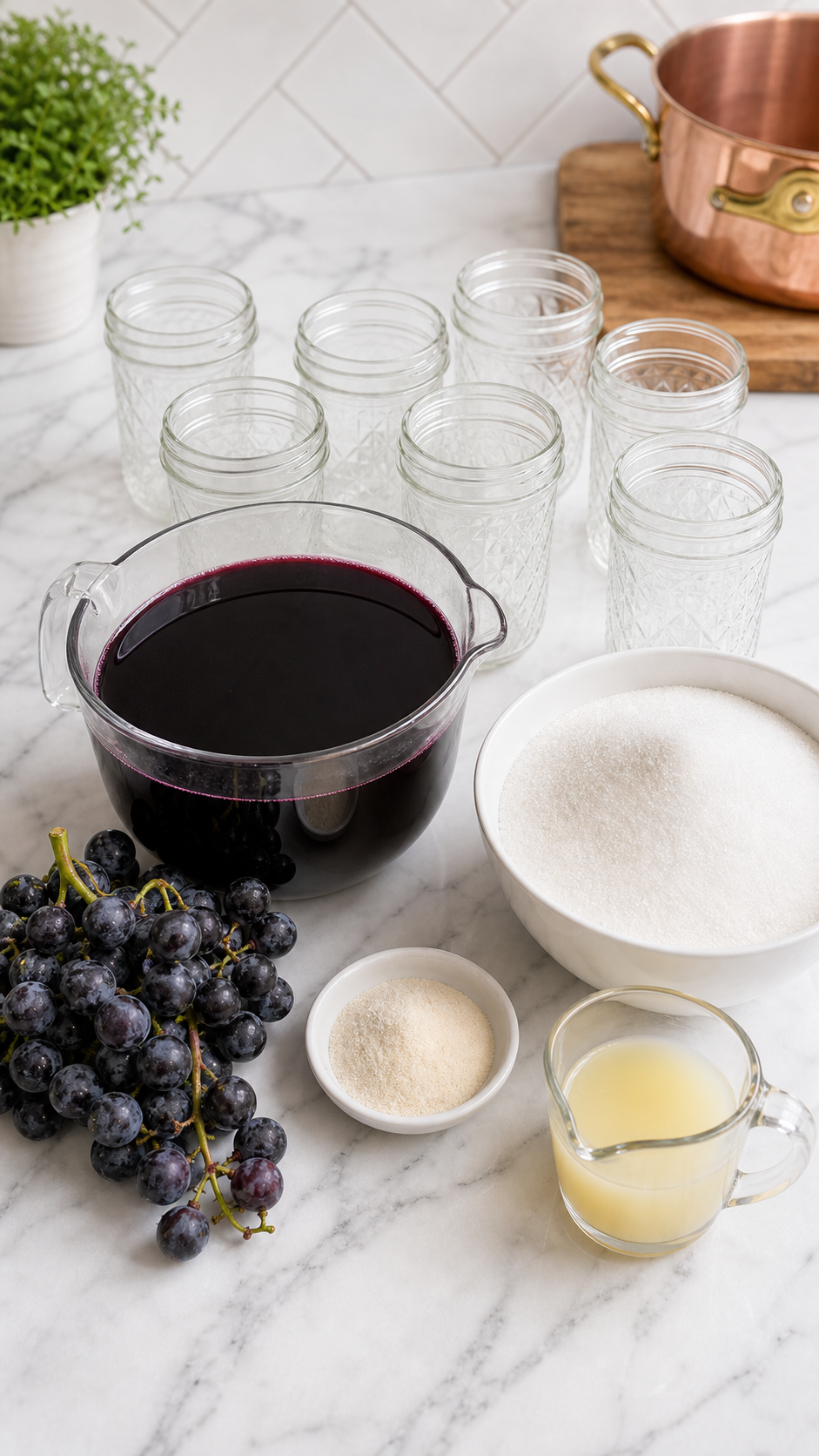
- Mustang grape juice: use 4 ¾ cups strained juice. If you make juice ahead, chill it so sediment can settle before measuring.
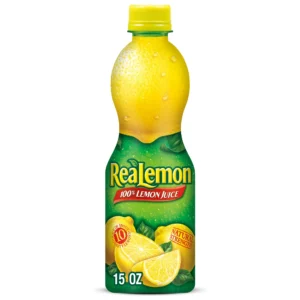
- Bottled lemon juice: use ¼ cup for consistent acidity. Fresh lemon juice may be used if preferred, but bottled is more predictable for canning.
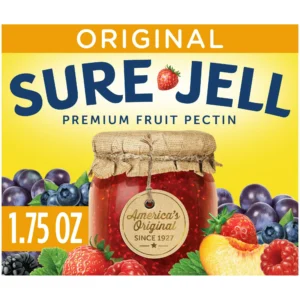
- Powdered fruit pectin: use one 1.75-ounce box. Powdered pectin is required for this method and is added before the sugar.
- Granulated sugar: measure 7 cups into a separate bowl before cooking so it can be added all at once.
 Buy Now →
  Buy Now →
  Buy Now →
Tools That Make It Easier
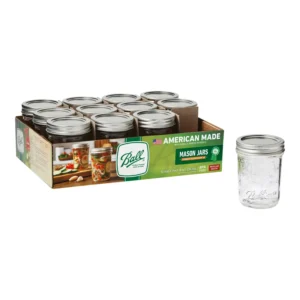
- Seven half-pint canning jars with two-piece lids
- Large heavy-bottomed saucepan or stock pot
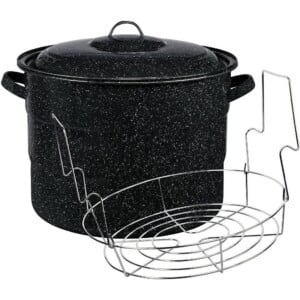
- Water bath canner with canning rack
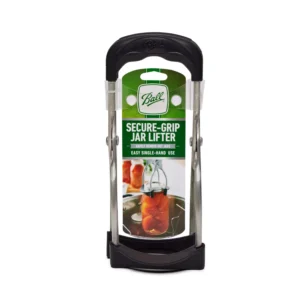
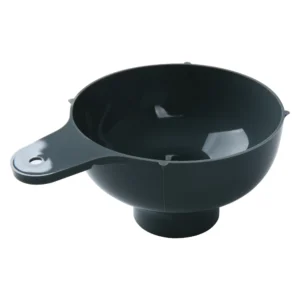
- Jar lifter and canning funnel
- Ladle
- Damp cloth for wiping rims
- Cooling rack or towel-lined counter
- Optional: jelly strainer, cheese cloth, fine-mesh strainer, and potato masher for making juice
 Buy Now →
  Buy Now →
  Buy Now →
  Buy Now →
  Buy Now →
 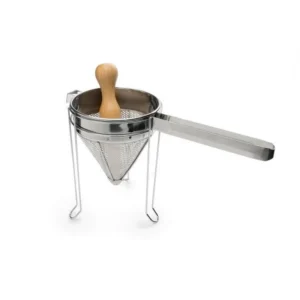 Buy Now →
 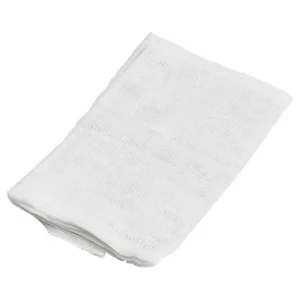 Buy Now →
  Buy Now →
 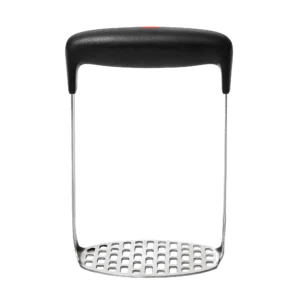 Buy Now →
 How to Make Wild Mustang Grape Jelly
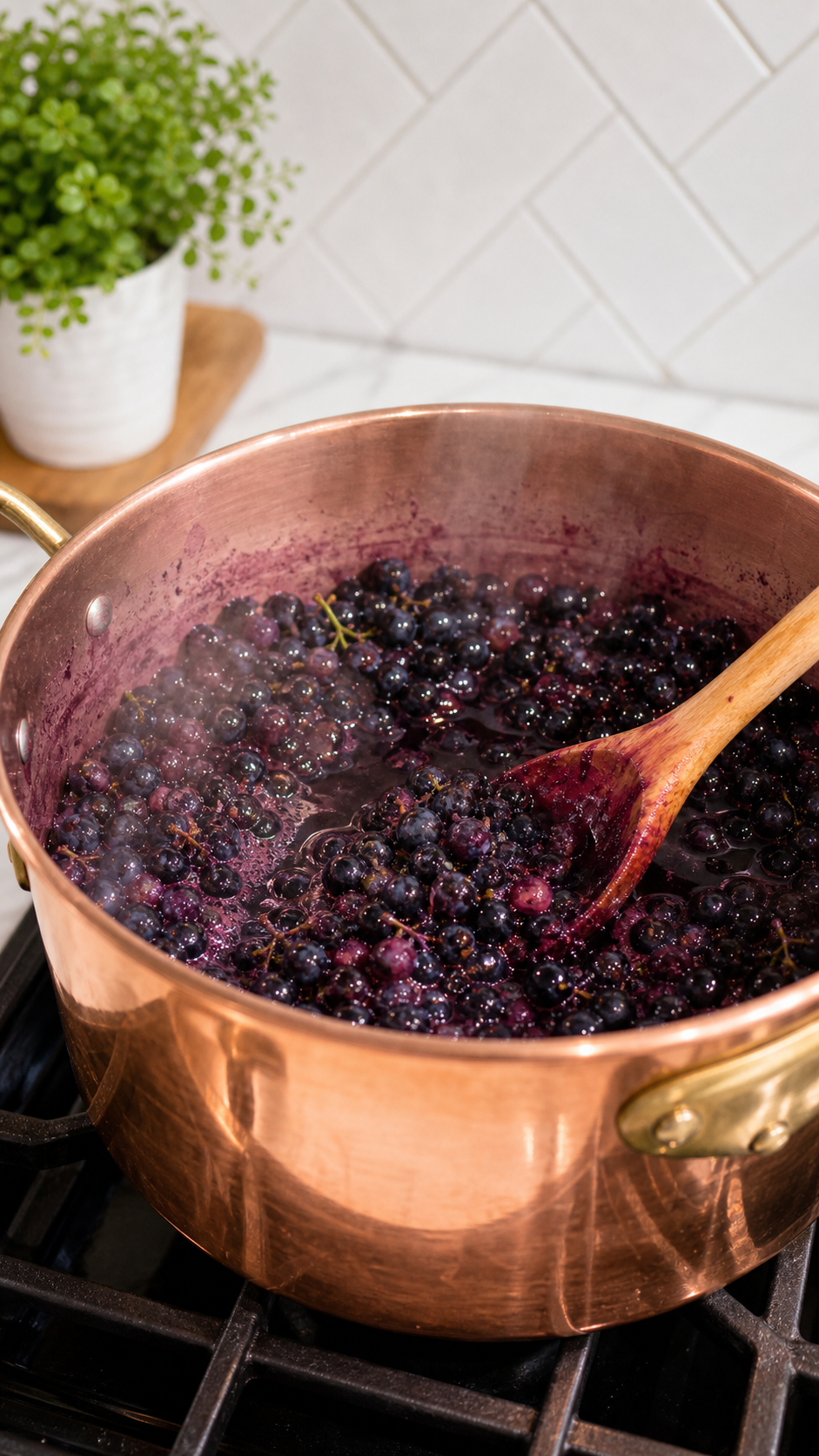
Prep the jars and sugar
- Wash and sterilize seven half-pint canning jars and keep them hot until ready to fill.
- Simmer the lids according to the manufacturer's instructions and keep the screw bands clean and dry.
- Measure the sugar into a separate bowl so it is ready to add all at once.
Cook the jelly
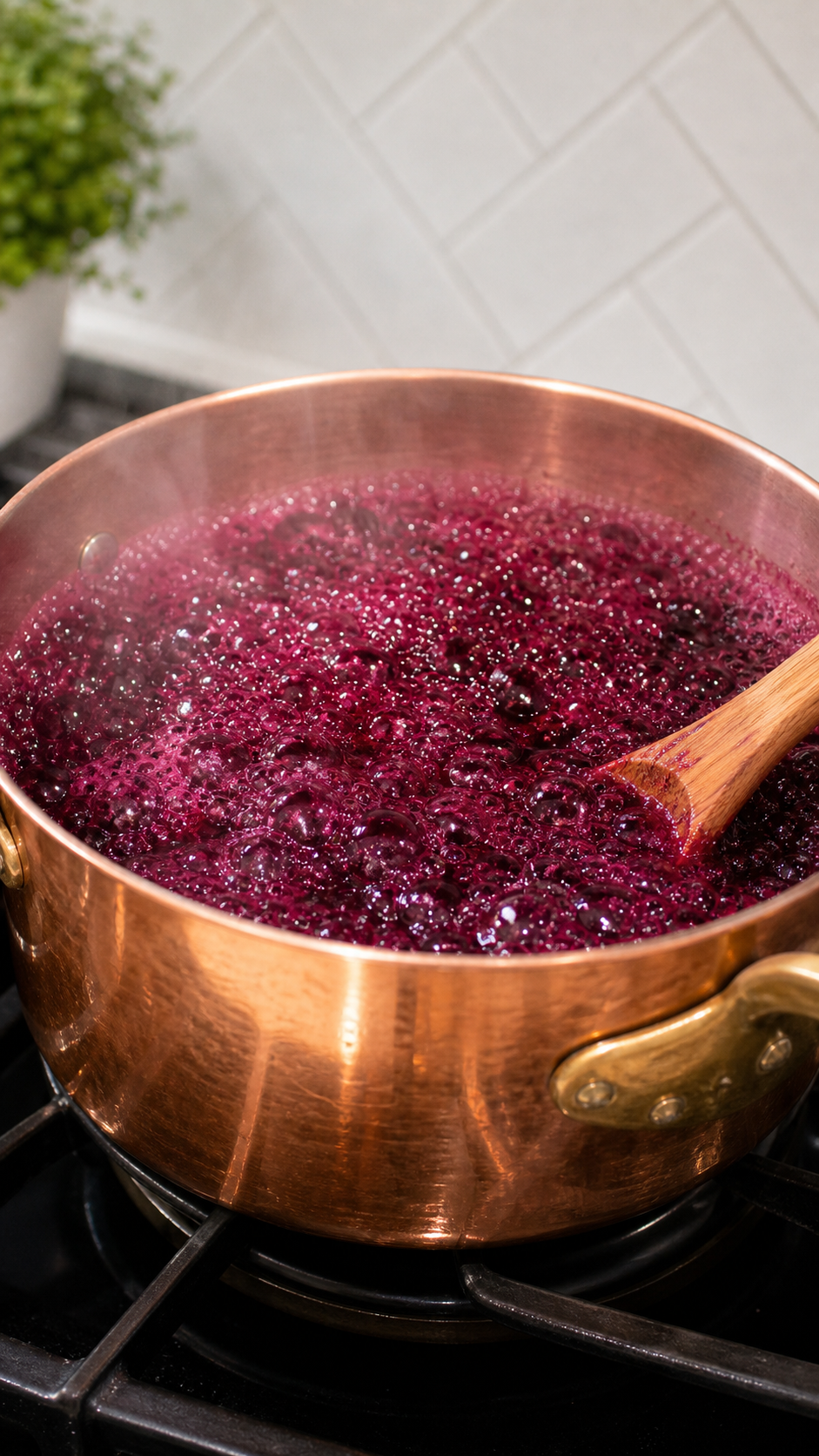
- Combine the grape juice, bottled lemon juice, and powdered pectin in a large, heavy-bottomed saucepan.
- Heat over high heat, stirring frequently, until the mixture reaches a vigorous boil that cannot be stirred down.
- Pour in all of the measured sugar and stir until fully dissolved.
- Return the mixture to a full rolling boil and continue boiling for exactly 1 minute while stirring constantly.
- Remove the saucepan from the heat.
- Skim off any foam from the surface if desired.
Fill the jars
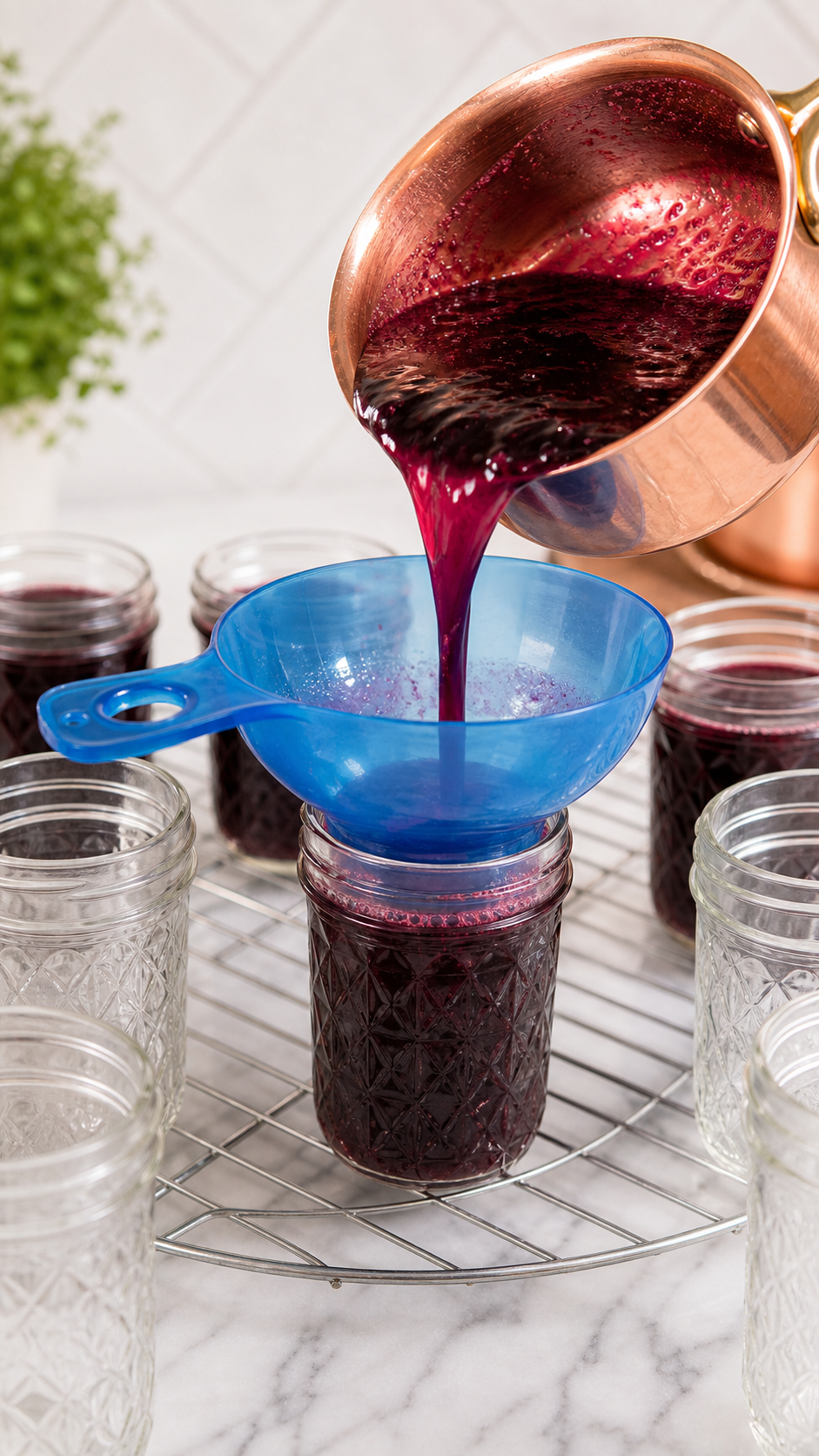
- Ladle the hot jelly into the prepared jars, leaving ⅛ inch of headspace.
- Wipe the rims clean with a damp cloth.
- Center the lids on the jars and screw on the bands until fingertip tight.
Water bath process
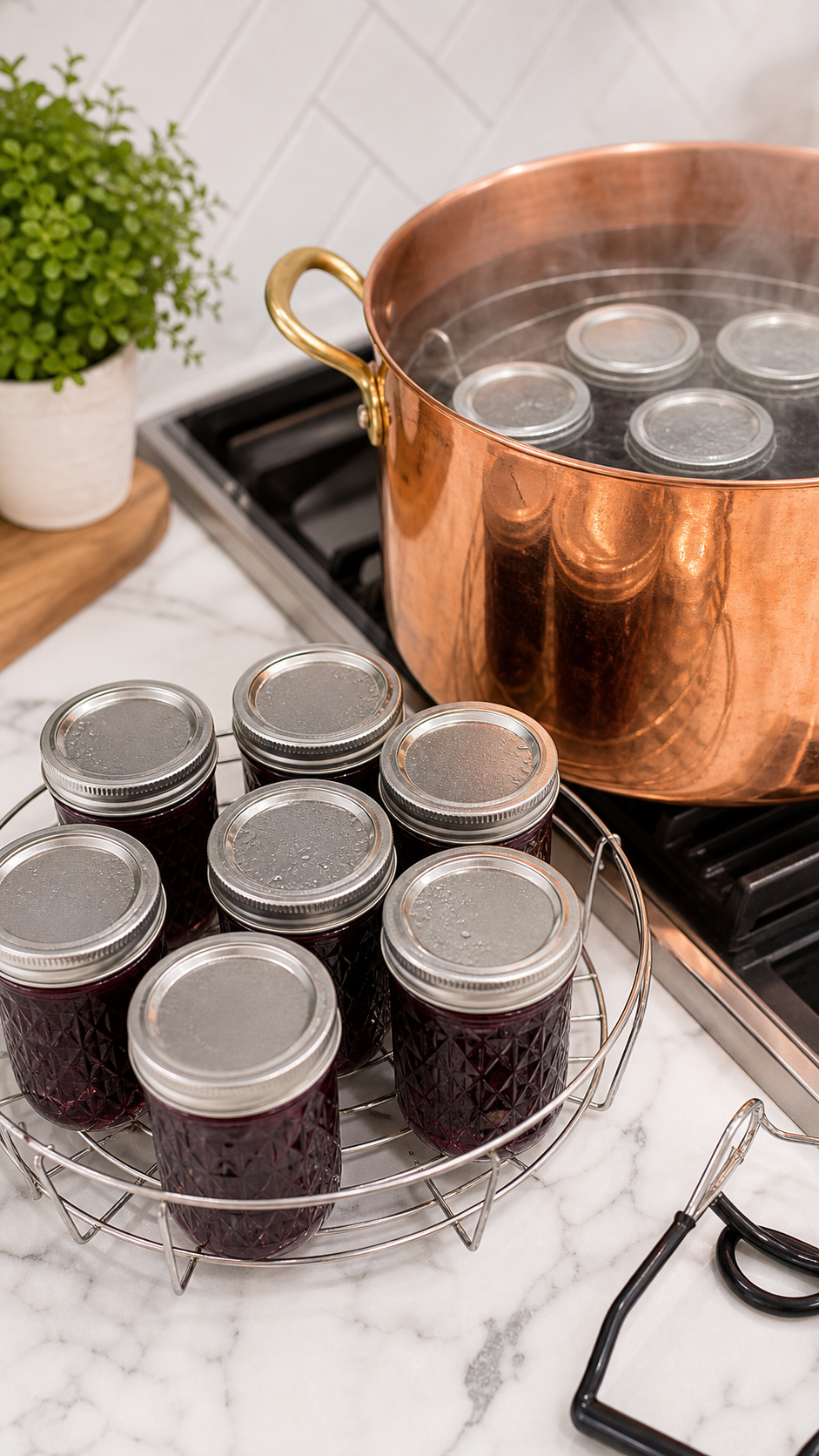
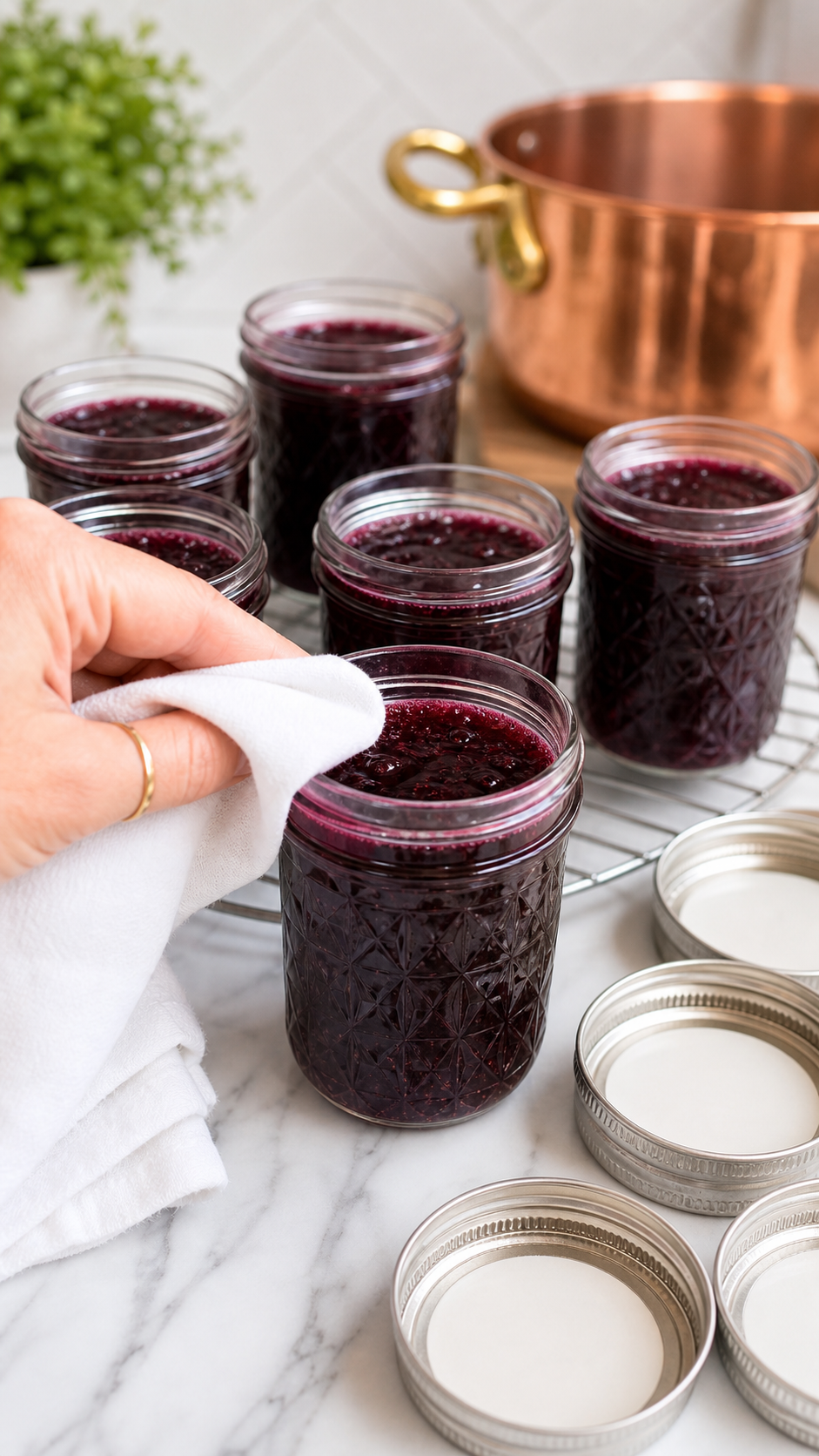
- Arrange the filled jars on a canning rack and lower them into a pot of gently boiling water. The water should cover the tops of the jars by at least 2 inches.
- Cover the canner and process for 5 minutes once the water returns to a gentle boil.
- Lift the jars straight out of the canner and place them on a towel or cooling rack. Leave them undisturbed until completely cooled.
- Allow the jars to rest for 24 hours before checking the seals.
- Test each lid by pressing the center. A properly sealed lid will remain firm and not flex.
- Remove the screw bands before storing sealed jars in a cool, dry, dark location.
- Refrigerate any jars that did not seal and use them promptly or reprocess them according to the pectin manufacturer's recommendations.
Helpful Tips Before You Start
Do not start cooking until the sugar is measured, the jars are hot, and the lids are ready. Once jelly reaches the full rolling boil stage, the recipe moves quickly, and scrambling for a measuring cup is how canning day gets spicy in all the wrong ways.
If you are making the grape juice yourself, let the strained juice chill before making jelly. Chilling helps sediment settle, which gives the finished jelly a clearer look.
A Few Easy Mistakes to Avoid
- Using liquid pectin as a straight swap: powdered pectin and liquid pectin are added at different stages, so follow a recipe written for the type you have.
- Reducing the sugar: regular powdered pectin recipes depend on the tested sugar ratio for set and preservation quality.
- Guessing at the boil: a full rolling boil keeps bubbling even when stirred.
- Overfilling jars: leave ⅛ inch headspace so the jars can seal properly.
- Skipping the 24-hour rest: give the jars time to seal and cool completely before you press the lids.
A Few Things That Make This Jelly Better
Small batches are your friend with jelly. The boil is easier to control, the pectin has a better chance of setting cleanly, and the finished jars keep that bright Mustang grape flavor instead of tasting cooked down and tired.
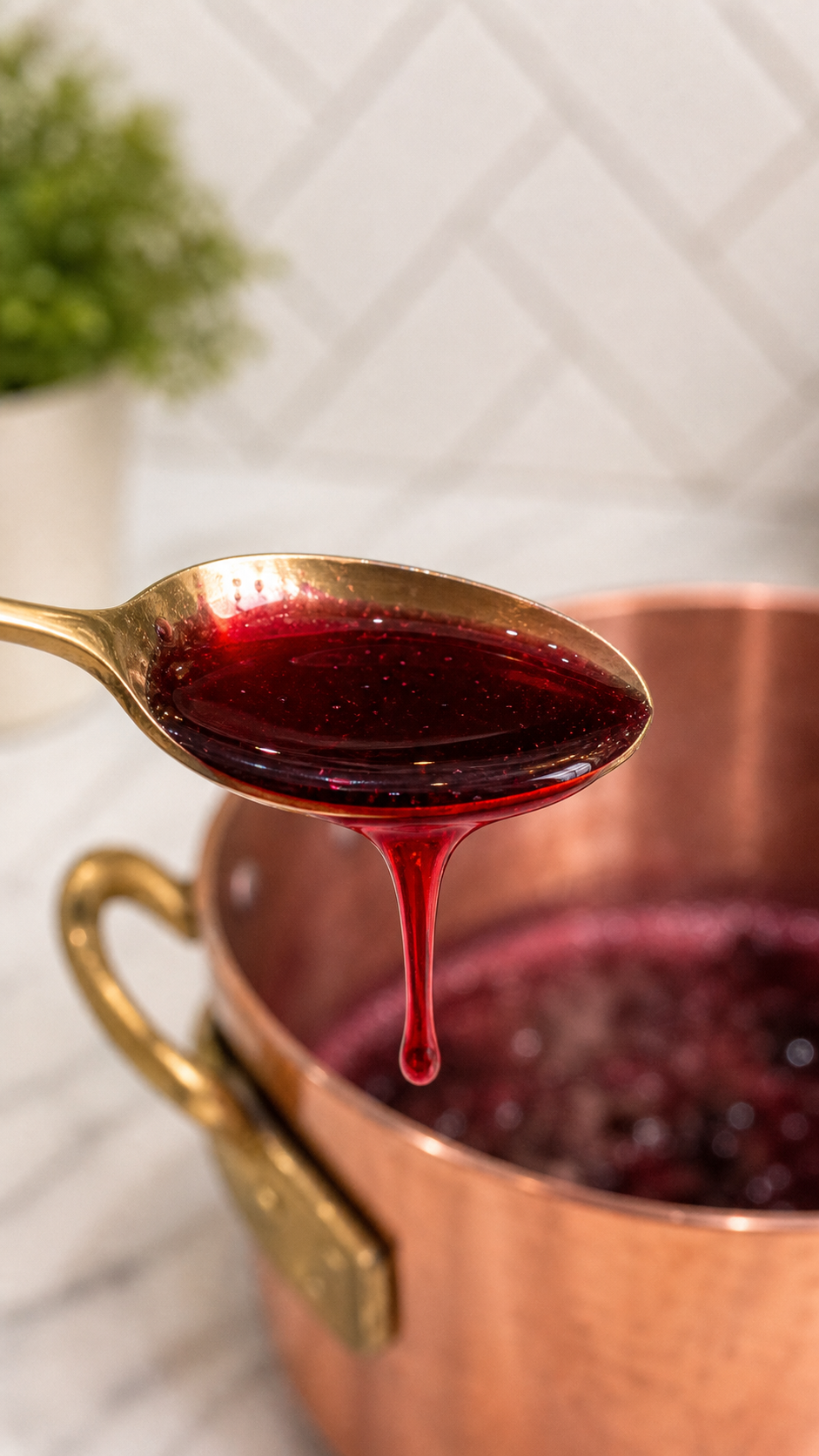
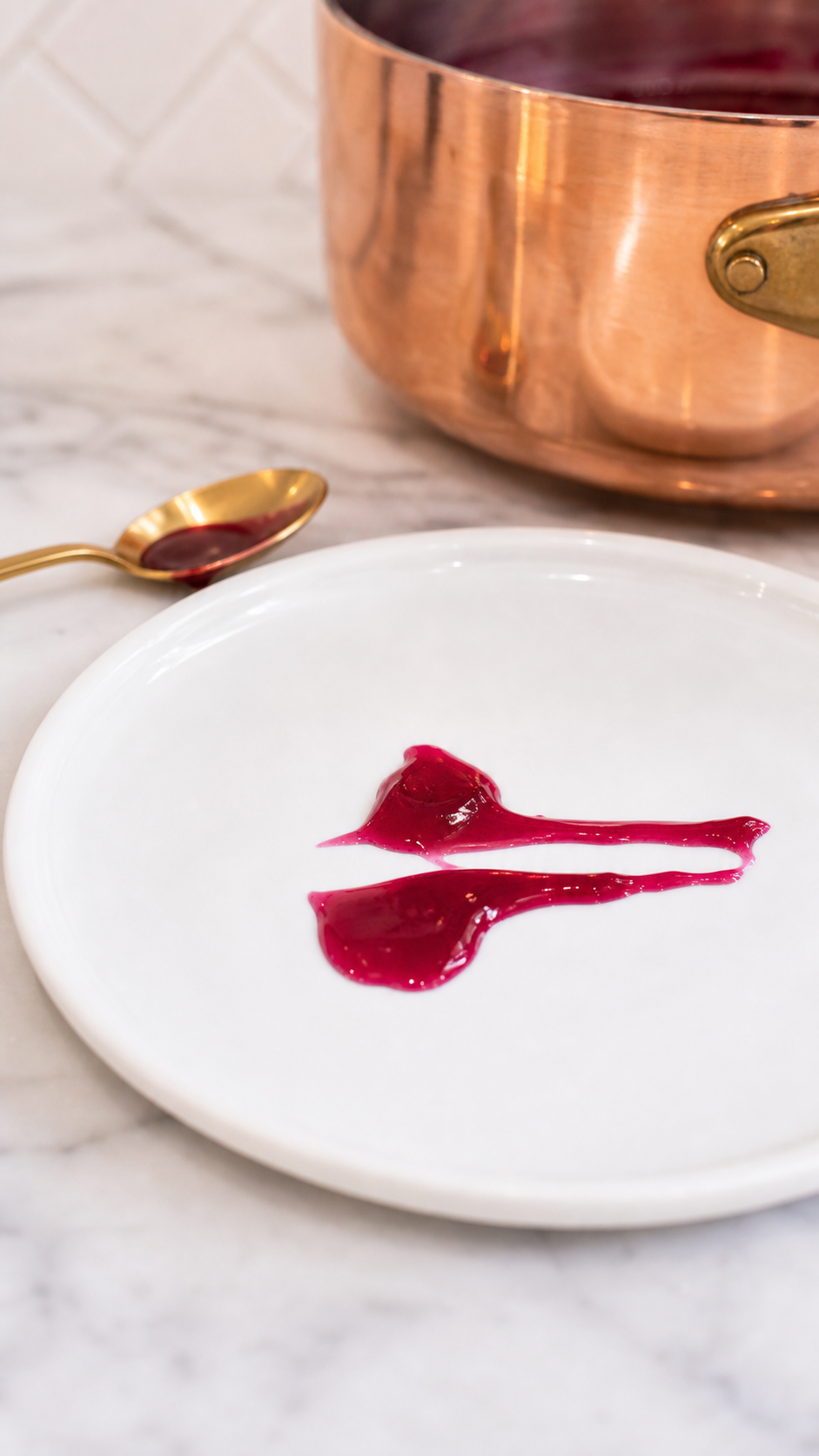
The spoon or plate test can help you judge texture, but the exact pectin directions still matter most. After the 1-minute boil, the jelly will continue to firm as it cools in the jars.
Keeping Jars Fresh
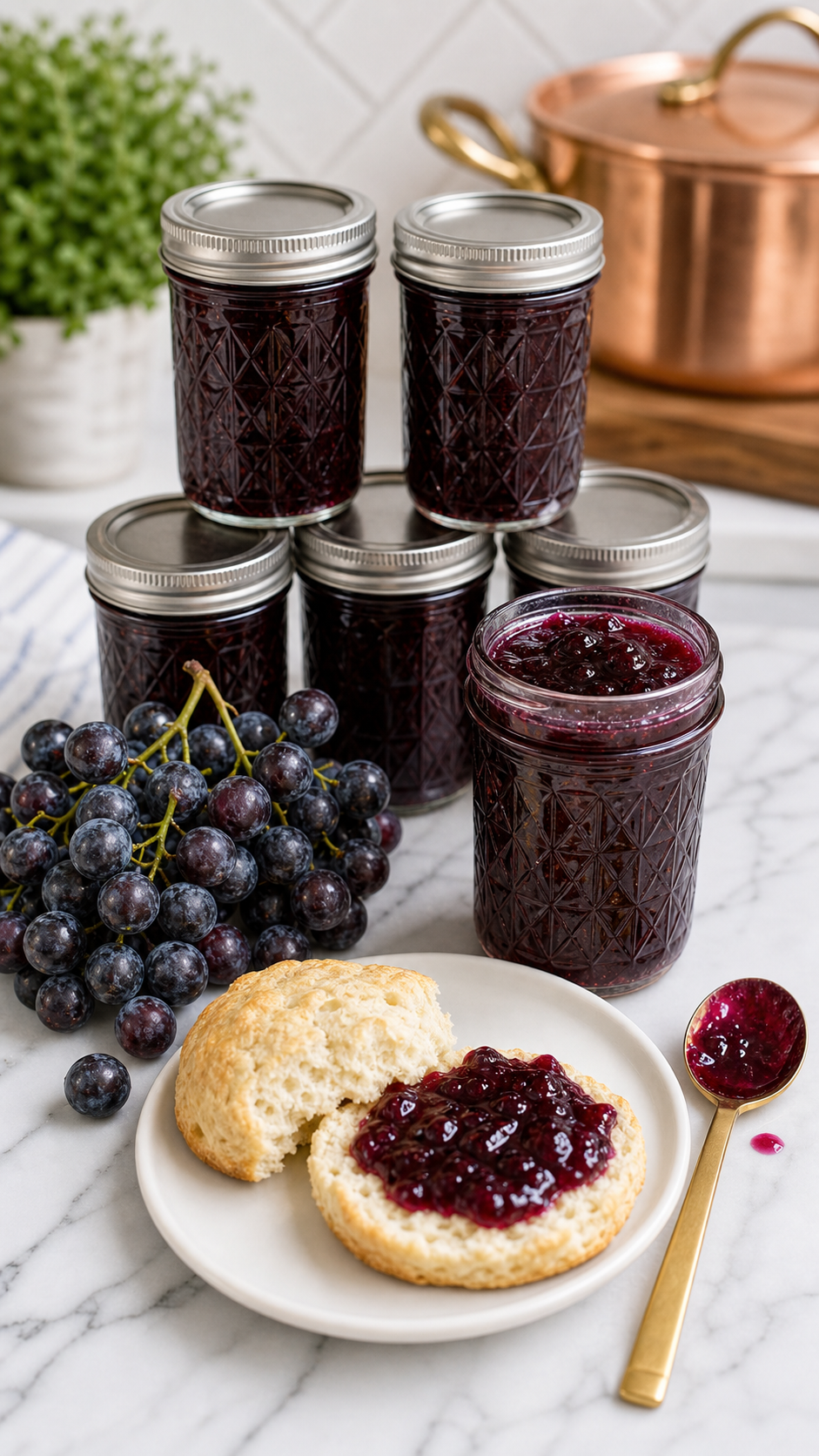
Properly sealed jars can be stored in a cool, dark pantry for up to 1 year. Once opened, refrigerate the jelly and use it within 3 to 4 weeks.
Can You Freeze Mustang Grape Jelly?
Yes, this jelly can be frozen instead of canned. Leave at least ½ inch of headspace in freezer-safe containers to allow for expansion, freeze for up to 12 months, and thaw overnight in the refrigerator before using.
What to Serve with It
Spread Mustang grape jelly over warm buttermilk biscuits, toast, or English muffins. It is also wonderful spooned over cream cheese with crackers, stirred into plain yogurt or oatmeal, or brushed on roasted pork or grilled chicken as a sweet-tart glaze.
FAQs
Can I use liquid pectin instead of powdered pectin?
Liquid pectin is not a direct substitute in this recipe because it is added at a different stage of jelly making. Use regular powdered fruit pectin for this method.
Why use bottled lemon juice?
Bottled lemon juice gives more consistent acidity than fresh lemons, which is helpful for canning and for a reliable jelly set.
What is a full rolling boil?
A full rolling boil is a vigorous boil that keeps bubbling even while you stir. That is the point where the sugar timer begins after the jelly returns to a boil.
How do I know jars sealed?
After 24 hours, press the center of each lid. A sealed lid stays firm and does not flex up and down. Refrigerate jars that did not seal.
Can Mustang grapes irritate your hands?
Yes. Mustang grapes are very acidic and can make your skin itch or feel irritated. Wear gloves when picking, washing, crushing, and straining them.
Get More Recipes Like This
Want more simple, tried-and-true recipes for real-life cooking? Sign up here and I'll send fresh recipe ideas straight to your inbox.
Tried It?
If you make this Wild Mustang Grape Jelly, leave a rating and tell me how your batch set. I love hearing how old-fashioned recipes keep showing up in real kitchens.
More Preserve-the-Season Recipes

Grandma's Dill Pickles
Check out our family's favorite dill pickles! Packed with garlic and fresh dill, these crisp dill pickles will add a boost of flavor to any meal. This Czech recipe has been passed down through our family for generations. As the summer heats up, cucumber plants produce loads of cucumbers, so making dill pickles becomes a
How to Can Tomatoes
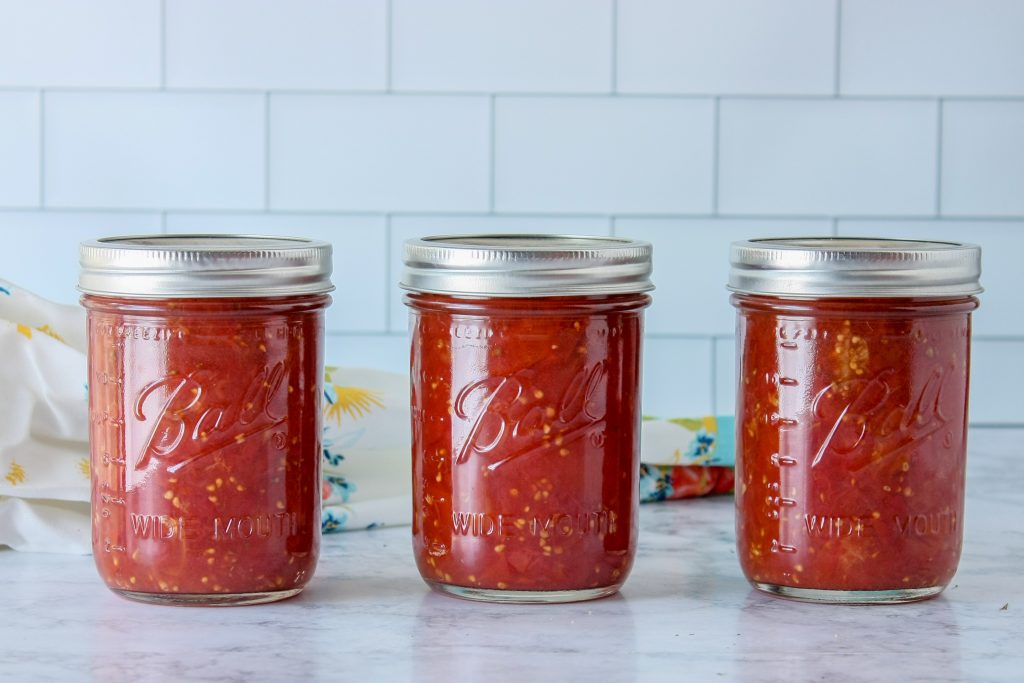
Enjoy garden-fresh tomatoes all year long by canning! Follow this tried and true recipe for delish tomatoes at the ready anytime you need them! As the summer comes to an end your tomato plants may be yielding their last big harvest. This can be overwhelming at the end of the season, but don't worry, follow

Pickled Okra
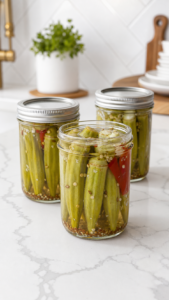
Okra is one of those vegetables you either love or hate. In my family, we have both lovers and haters. The texture of okra is what usually gets it into trouble...it's, well...slimy, and there's not much you can do about it. Those of us who love it, like to eat it fried, stewed, added to

Bitter Sweet Orange Marmalade
A Few weeks ago my Aunt Alicia brought me a large bag of Seville Bitter Oranges from her loaded orange tree. Since they're not an eating orange and are bitter, I decided to make orange marmalade. It was a lot of work, but well worth it! Thanks, Alicia...I loved making it and really enjoyed the
Wild Mustang Grape Jelly
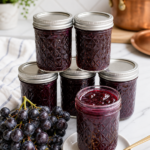
A small-batch Texas wild Mustang grape jelly made with grape juice, bottled lemon juice, powdered pectin, and sugar.
- Prep Time: 20 minutes
- Cook Time: 20 minutes
- Total Time: 45 minutes
- Yield: 7 half-pint jars 1x
- Category: Breakfast, Brunch
- Cuisine: American
Ingredients
- 4 ¾ cups Mustang Grape juice
- ¼ cup lemon juice
- 1 box Sure Gel powdered pectin
- 7 cups sugar
Instructions
- Measure out 7 cups of sugar into a medium bowl and set aside.
- In a large saucepot combine grape juice, lemon juice and pectin.
- Bring to a full rolling boil (will not stop bubbling even when stirred).
- Once boiling, add sugar all at once, stirring well to combine.
- Bring back to a full rolling boil and boil rapidly, stirring constantly for 1 minute exactly. Immediately remove from heat, skim off any foam and ladle into hot sterilized jars, filling to ⅛ inch from top.
- Place sterilized tops and rings on jars and tighten rings firmly, but not as tight as you can.
- Canning Process:
- Place jars in canner rack and lower into gently boiling water, covering tops of jars by two inches (add more water if necessary).
- Place lid on canner and continue gently boiling for 5 minutes.
- Carefully remove jars from canner and place upright on a towel-lined countertop or cooling rack and allow to cool completely.
- As jars cool you may hear a pop! That's a great sound, it means your jars are sealing.
- After jars are completely cool, check seals by pressing tops of lids.
- If the lid pops back and forth, the lid is not sealed and you must use immediately and refrigerate. Otherwise, you can follow the Sure Jell or powdered pectin box's directions for re-processing.
- Let cool for at least 24 hours. Press the center of each lid with a finger to ensure the lid does not move up or down. Remove the rings for storage and store in a cool, dark area.
Notes
Powdered pectin is required for this recipe; liquid pectin is not a direct substitute because it is added at a different stage. Bottled lemon juice is recommended for consistent acidity, though freshly squeezed lemon juice may be used if preferred. Serve over biscuits, toast, English muffins, cream cheese with crackers, yogurt, oatmeal, roasted pork, or grilled chicken. Properly sealed jars can be stored in a cool, dark pantry for up to 1 year. Once opened, refrigerate and use within 3 to 4 weeks. To freeze instead of canning, leave at least ½ inch headspace in freezer-safe containers, freeze up to 12 months, and thaw overnight in the refrigerator.



15