

Learning how to grow tomatoes starts with a sunny spot, loose fertile soil, deep planting, steady water, and sturdy support. Tomatoes are forgiving garden plants, but they do ask for a few non-negotiables, and once you understand those, the whole process feels much less mysterious.
This is the way we plant tomatoes in our home garden, from loosening the soil to tucking the plants in deep, setting the cages, watering them well, and giving them a little help as they settle in. If you are growing tomatoes for the first time, this guide will walk you through the pieces that matter most without making you feel like you need a horticulture degree before breakfast.
How to Grow Tomatoes
To grow tomatoes at home, plant healthy seedlings in full sun after frost danger has passed, loosen and enrich the soil, bury the stem deeply, add support right away, water consistently at the base, and keep the plants weeded, fed, and watched for common problems.
- Choose a sunny spot with 6 to 8 hours of direct sun.
- Loosen compacted soil and mix in compost or garden mix.
- Remove the lower leaves from each tomato seedling.
- Plant the tomato deeply so part of the stem is buried.
- Space plants so air can move around the leaves.
- Add tomato cages, stakes, or trellises at planting time.
- Water deeply at the base and keep moisture steady.
- Mulch, weed, and feed as the plants grow.
What This Tomato Growing Guide Covers
Growing tomatoes at home means choosing the right location, preparing the soil, planting tomato seedlings deeply, supporting the plants early, watering consistently, and feeding them as they grow. A healthy tomato plant needs full sun, warm soil, good drainage, and enough room for air to move around the leaves.
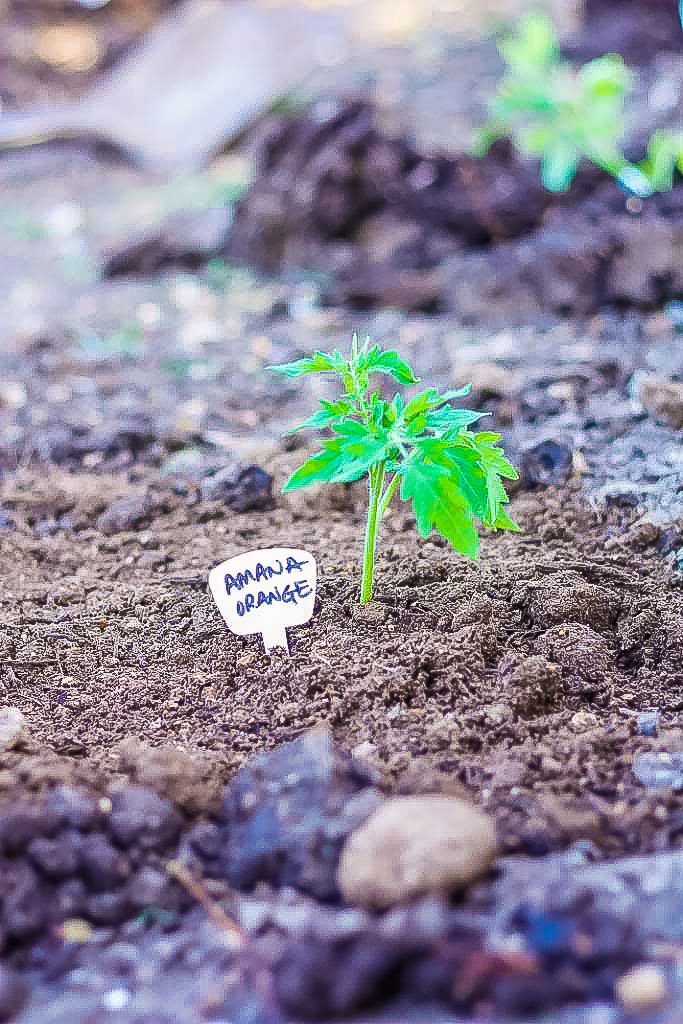
We usually grow several varieties at once, especially heirloom tomatoes, because every plant seems to bring its own little personality to the garden. Cherokee Purple, Black Krim, Green Zebra, San Marzano, Amana Orange, Red Currant, and Yellow Pear tomatoes all bring something different to the table, from slicing tomatoes to sauce tomatoes to sweet little snackers.
Why You'll Love Growing Tomatoes
- Homegrown tomatoes taste better. They have that juicy, sun-warmed flavor grocery store tomatoes rarely manage.
- The steps are simple once you know the order. Prepare the soil, plant deep, support, water, and maintain.
- You can grow practical varieties for cooking. San Marzano tomatoes are great for sauces, while cherry and pear tomatoes are easy for salads and snacking.
- It is a useful garden skill. Once you learn tomatoes, a whole world of summer garden cooking opens up.
Tomato Growing At-a-Glance
- Best light: Full sun, ideally 6 to 8 hours or more each day.
- Best soil: Loose, fertile, well-draining soil amended with compost or garden mix.
- Spacing: Give plants enough room for airflow, usually about 18 to 36 inches apart depending on the variety and support system.
- Planting depth: Deep enough to bury part of the stem after removing the lower leaves.
- Support: Tomato cage, stake, or trellis added at planting time.
- Watering: Deep, consistent watering at the base of the plant.
- Difficulty: Beginner-friendly with a little attention.
- Best season: Warm weather after danger of frost has passed.

Where This Garden Project Comes From
This post started in our own garden, with Quinton and me planting tomato seedlings and getting the beds ready for the season. We started some plants from seed, bought a few others, and ended up with a nice mix of tomatoes for eating fresh, cooking down, and sharing if the garden decides to be generous.
The process is not fancy. It is the kind of garden work that looks like loosening stubborn soil, adding compost, bending over the bed longer than you meant to, and hoping the weather behaves. In other words, real gardening.
When to Plant Tomatoes
Plant tomatoes outside after your last frost date, when the soil has warmed and nighttime temperatures are no longer chilly. Tomatoes are warm-weather plants, so planting too early can leave them sulking in cold soil instead of putting on strong new growth.
If you start tomatoes from seed, harden the seedlings off before they go into the garden. That means gradually exposing them to outdoor light, wind, and temperature changes so the move from cozy seed tray to real garden bed is not such a shock.
What You Need to Grow Tomatoes
You do not need much equipment to grow tomatoes, but the right basics make the job easier and give the plants a stronger start.
- Tomato seedlings: Choose healthy plants with sturdy stems and green leaves. Heirloom, cherry, paste, and slicing tomatoes all work well when matched to your cooking plans.
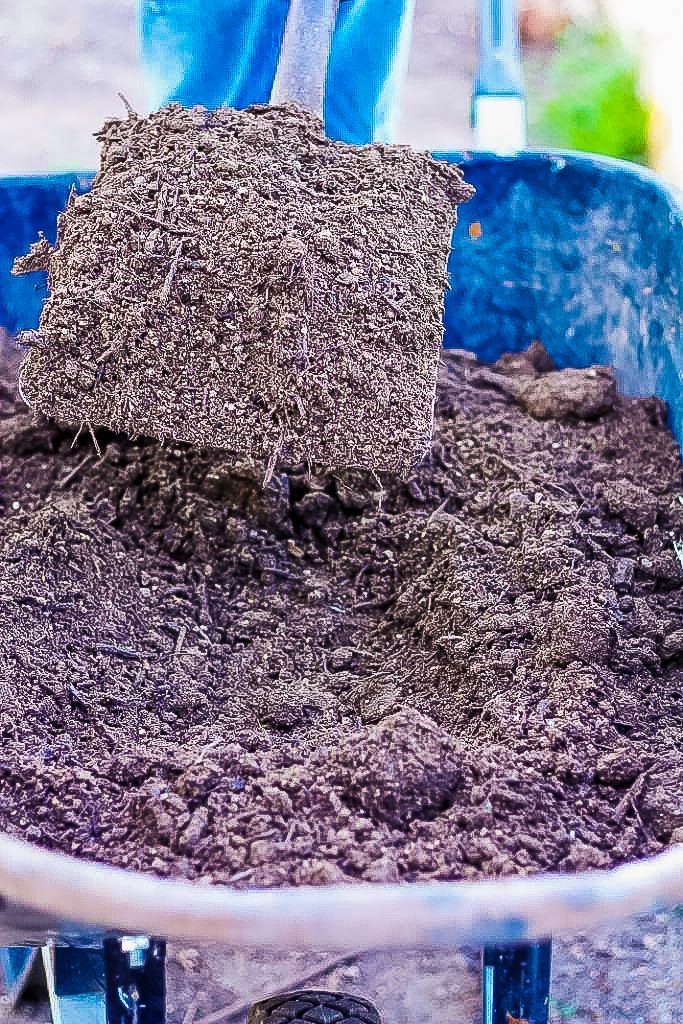
- Compost or garden mix: This improves heavy, clumpy, or tired soil so roots can spread more easily.
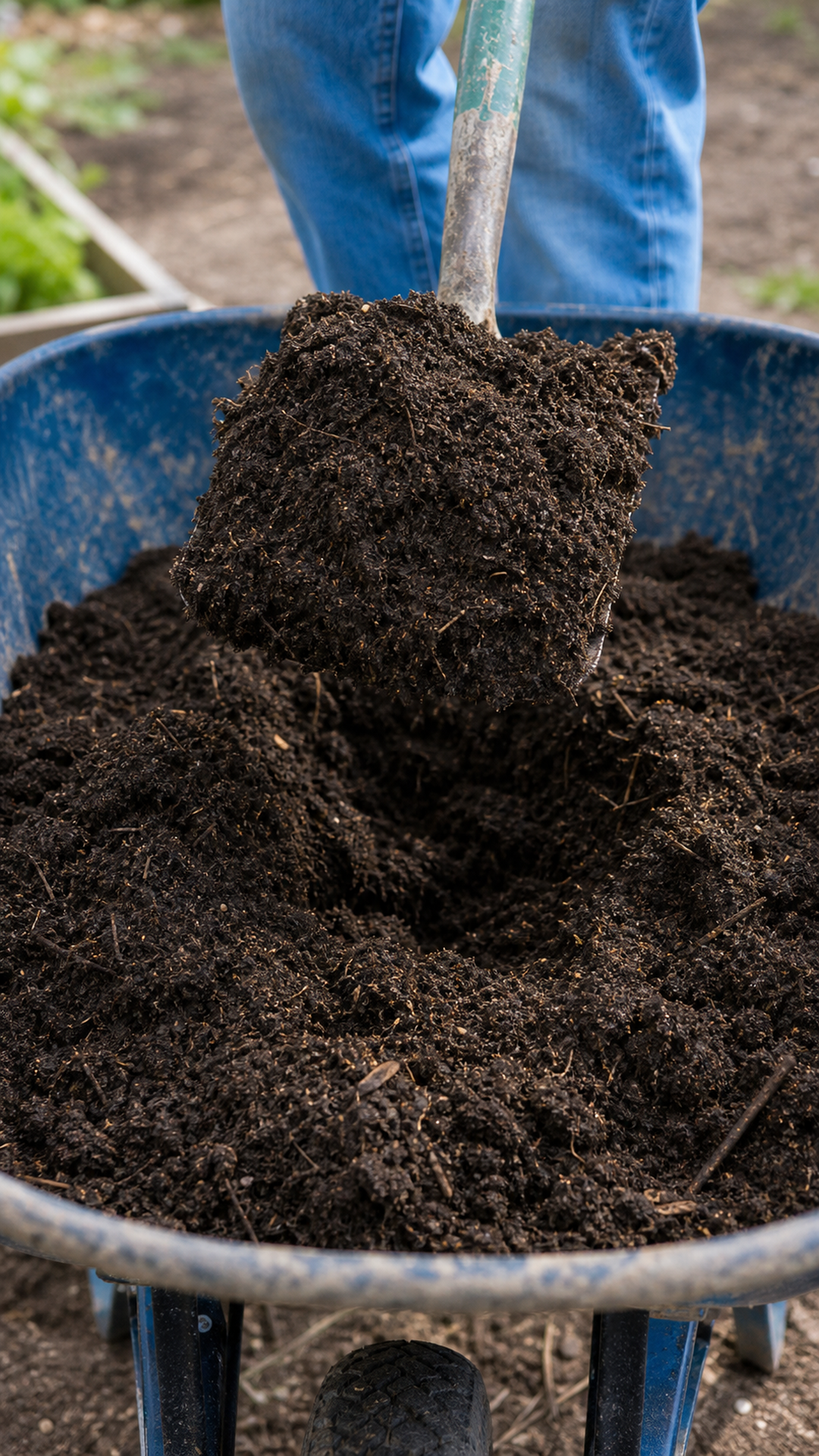
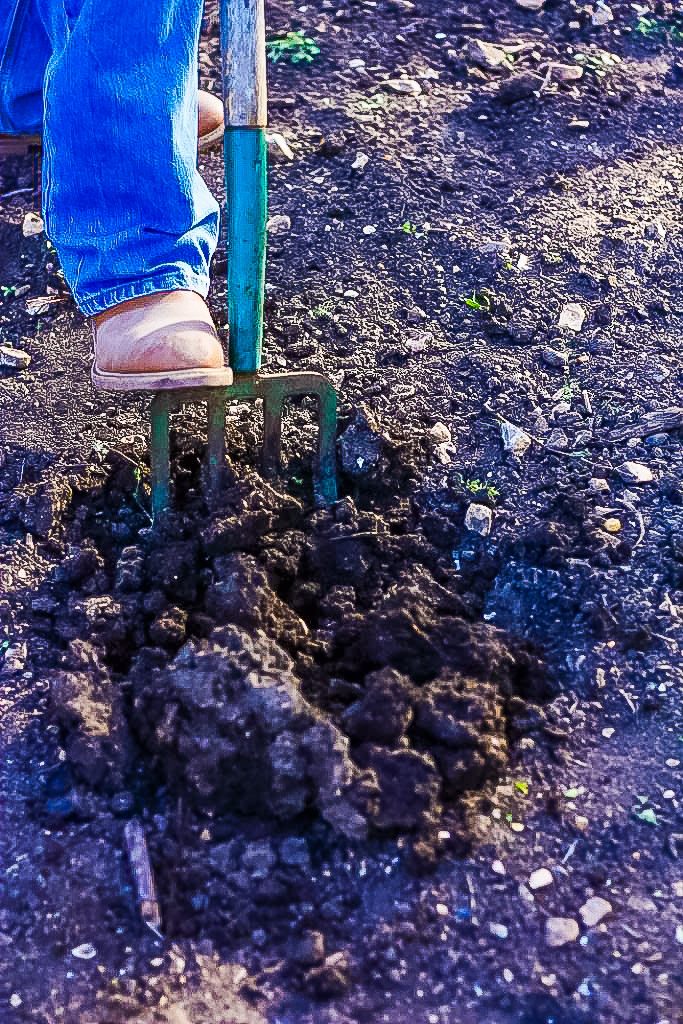
- Spading fork or garden fork: Use it to loosen compacted soil before planting.
- Trowel: Helpful for digging deeper planting holes and backfilling around each plant.
- Tomato cages or stakes: Add support when you plant so you do not have to wrestle a floppy tomato plant later.
- Watering can or hose: Water at the base of the plant to soak the root zone.
- Fertilizer or garden tonic: We have used Garrett Juice and dry molasses to give plants a little extra encouragement.
- Mulch, optional but helpful: Mulch helps hold moisture and cut down on weeds.
Tools That Make Tomato Planting Easier
- Spading fork or broadfork for loosening soil
- Hand trowel for digging and filling around seedlings
- Tomato cages, stakes, or trellis supports
- Watering can, hose, or drip irrigation
- Garden gloves
- Mulch rake or small hand rake
How to Plant Tomatoes Step by Step
To plant tomatoes, prepare loose soil, remove the lower leaves from each seedling, plant the stem deeply, fill soil around the plant, add support, and water well. This deep planting method helps tomatoes develop more roots along the buried stem.
1. Pick a Sunny Garden Spot
Tomatoes need full sun to grow strong plants and ripen good fruit. Look for a spot that gets at least 6 to 8 hours of direct sun and has enough space for cages or stakes.
If you are planning your summer meals while the plants settle in, this is where the garden starts paying you back later. A good tomato harvest turns into simple recipes like fresh tomato salad, sauces, sandwiches, and all the little kitchen wins that make summer taste like summer.
2. Loosen and Improve the Soil
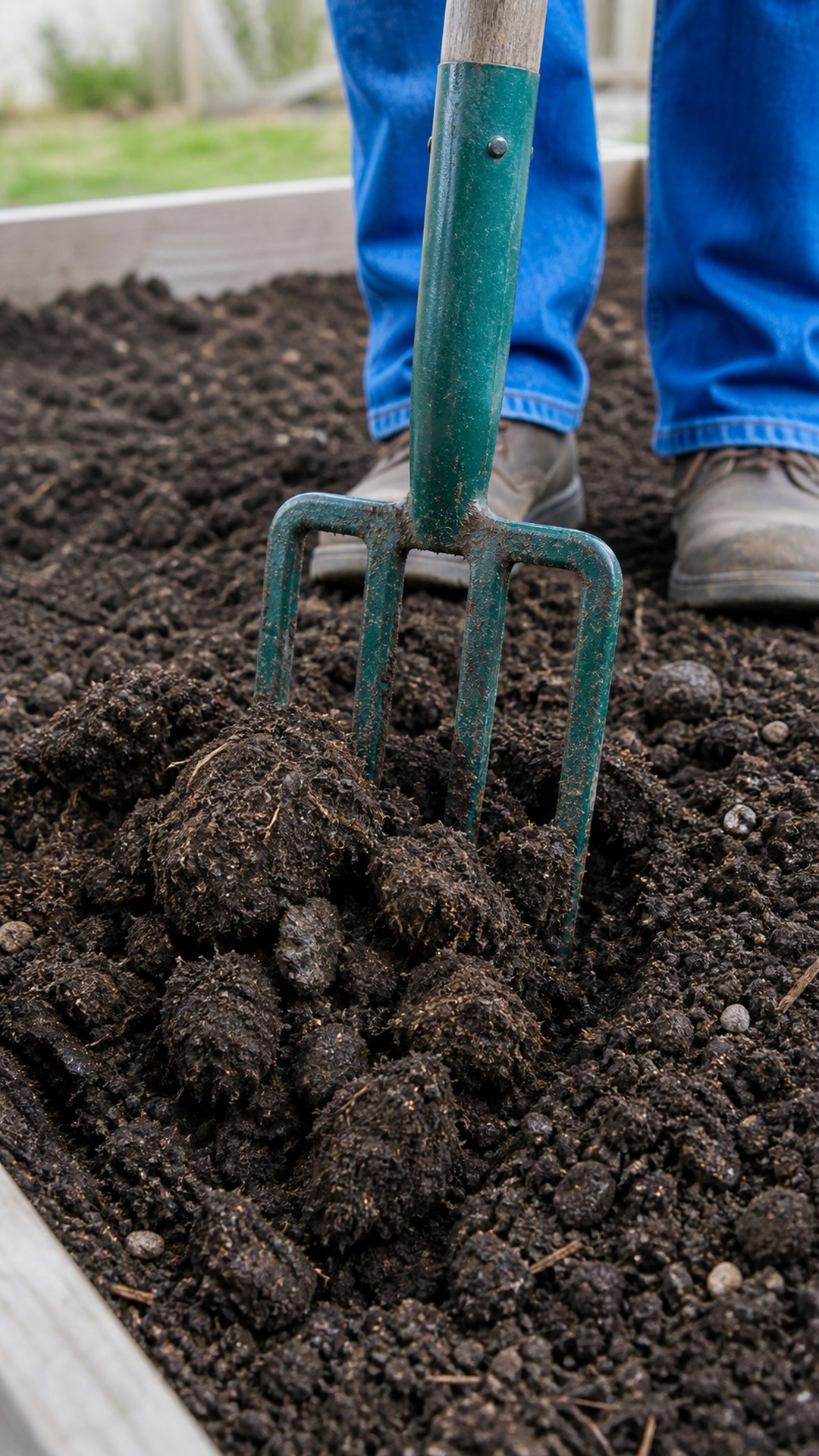
Use a spading fork to loosen the planting area, especially if the soil is clumpy or compacted. Mix in compost or garden mix until the bed feels looser and easier to work. Tomato roots need room to move, and tight soil makes that harder than it needs to be.
If you are planting in a raised bed, smooth the soil after amending it so water settles evenly instead of running into low spots. Loose soil should look crumbly, not packed tight like a brick pretending to be a garden.
3. Remove the Lower Leaves
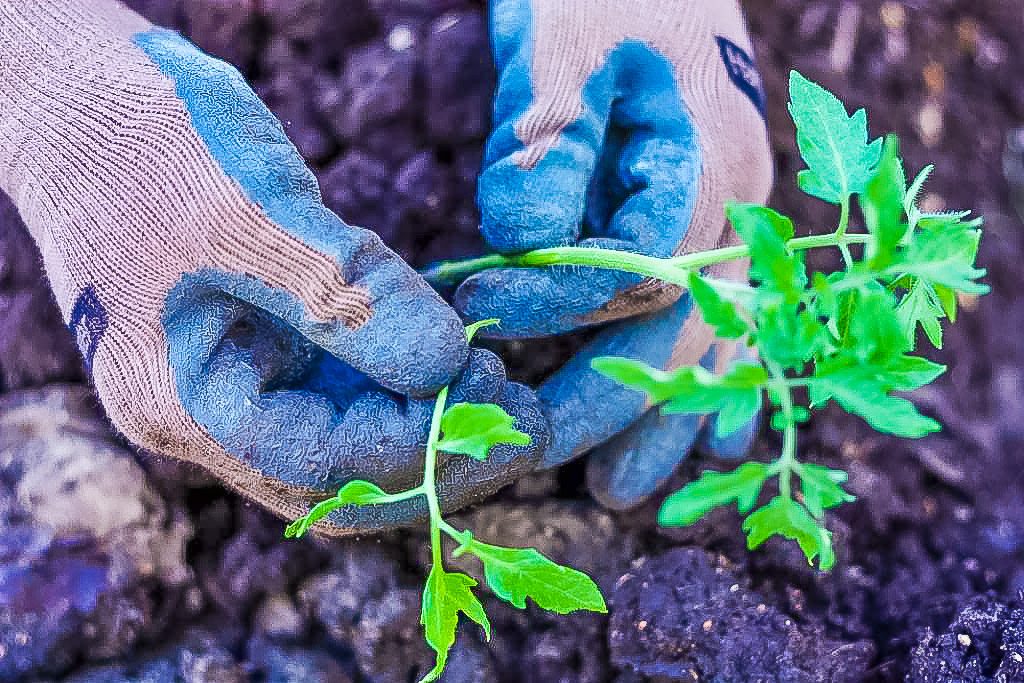
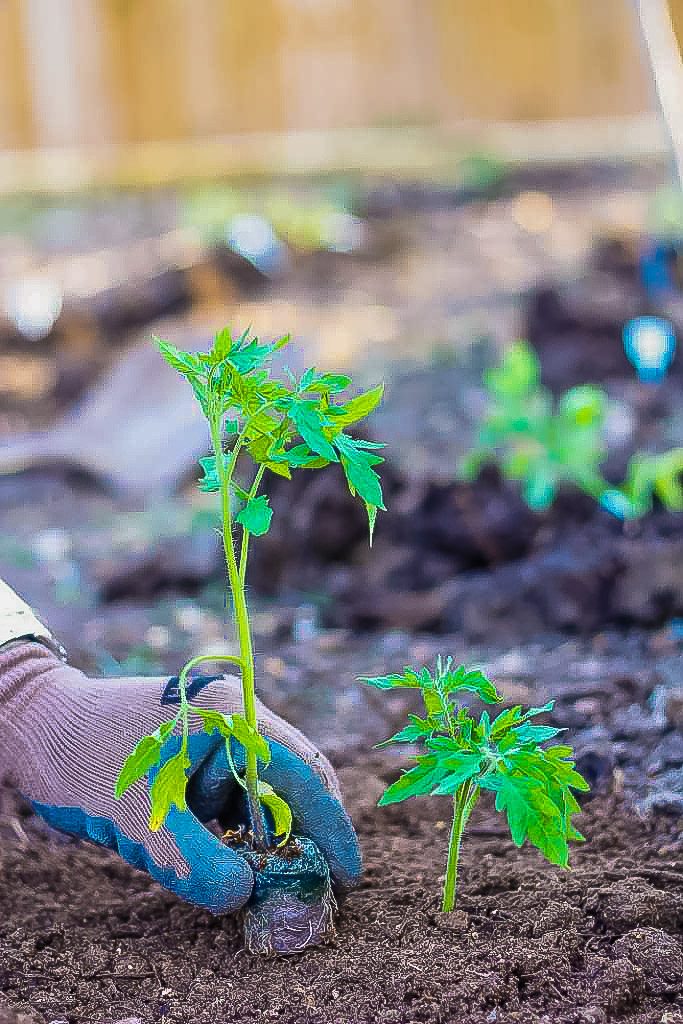
Before planting, pinch or snip off the lower leaves on the tomato seedling. This gives you a longer bare stem to bury, and tomatoes can grow roots from that buried stem.
4. Plant Tomatoes Deep
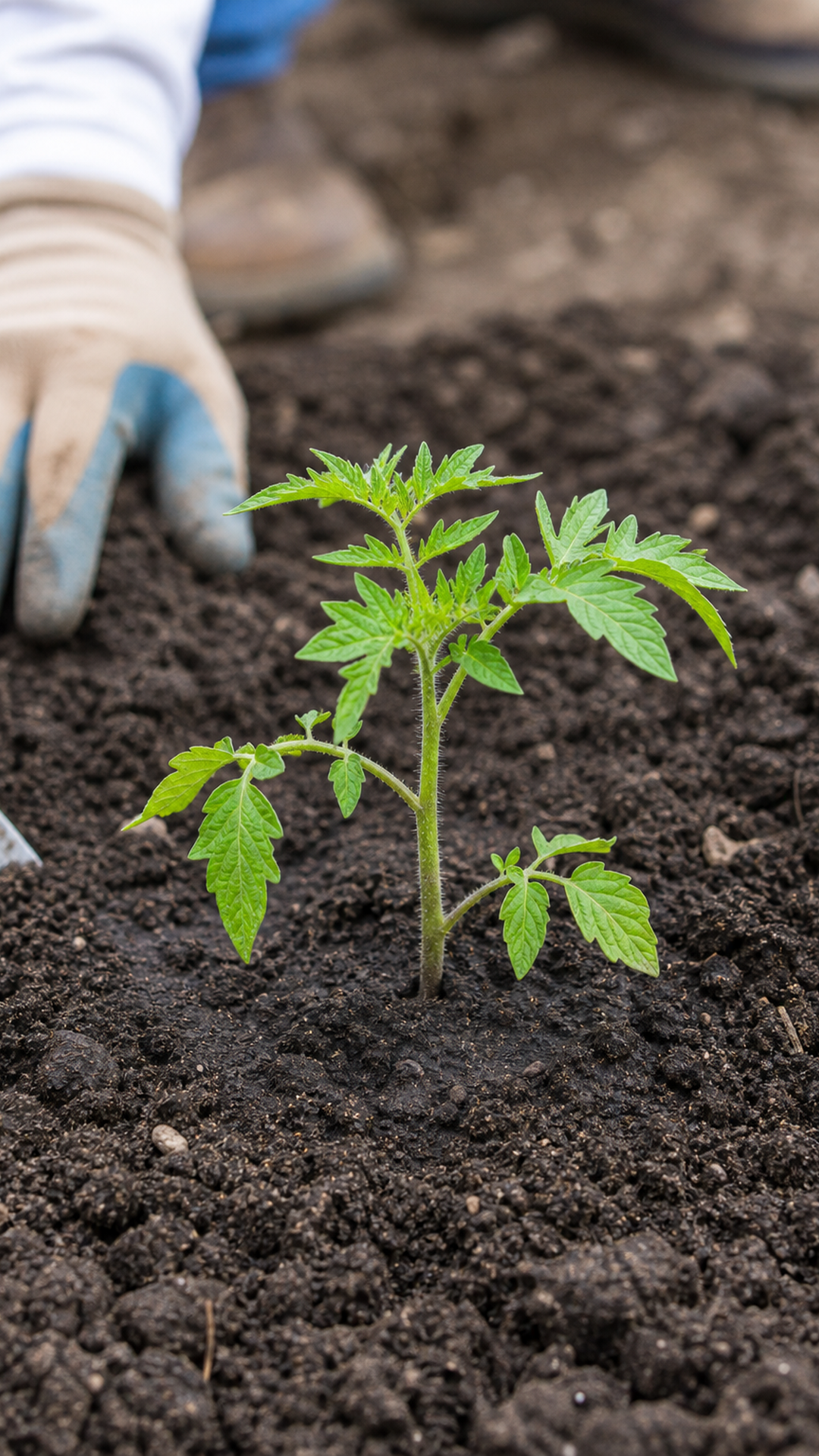
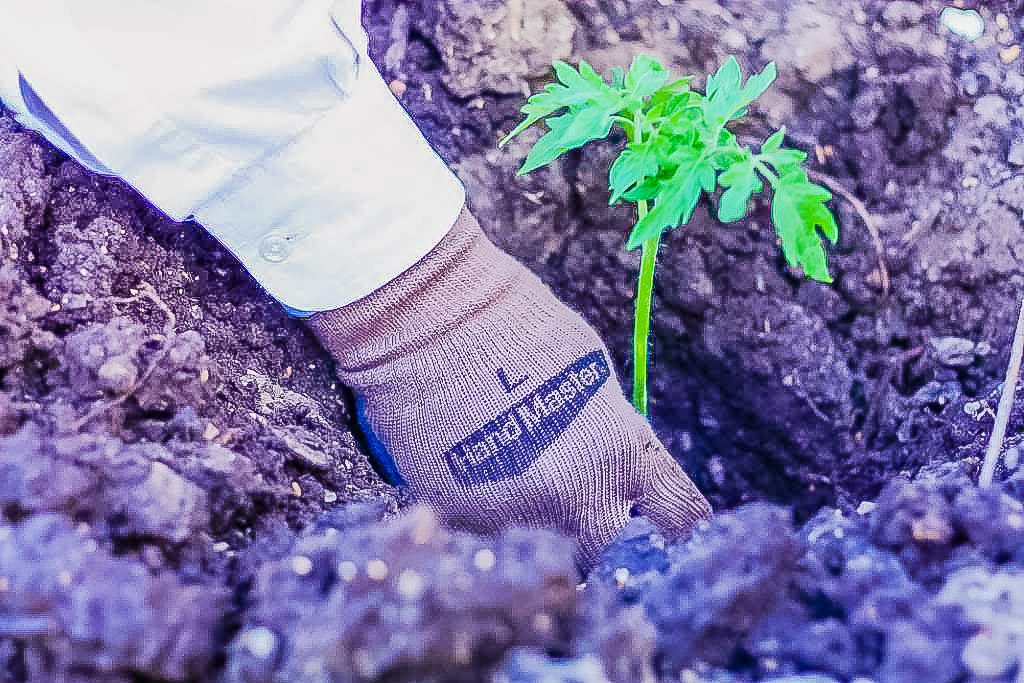
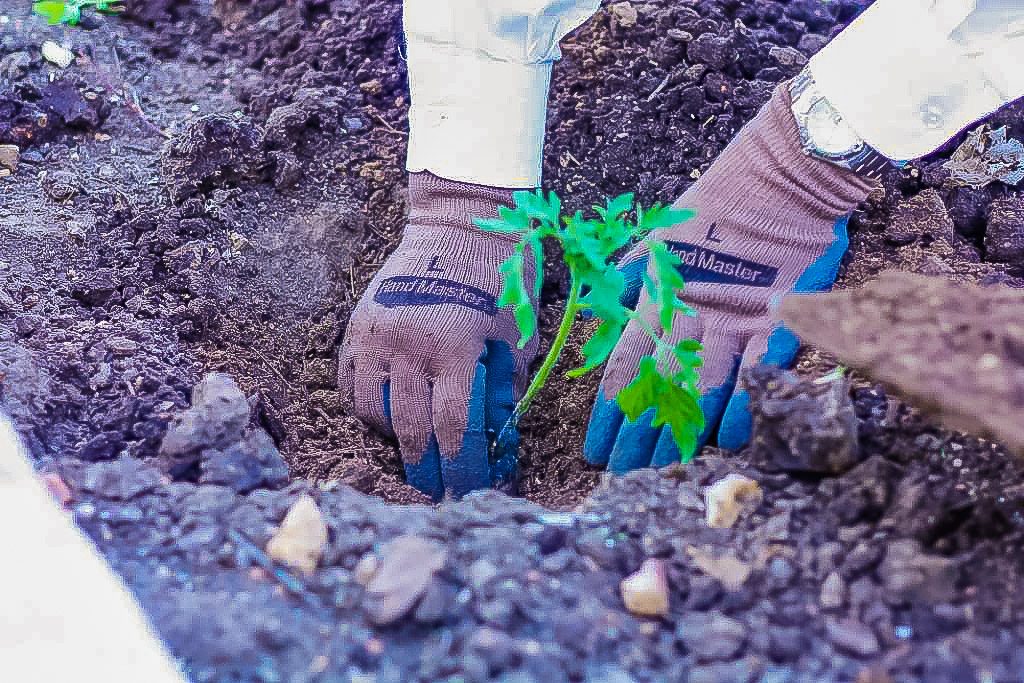
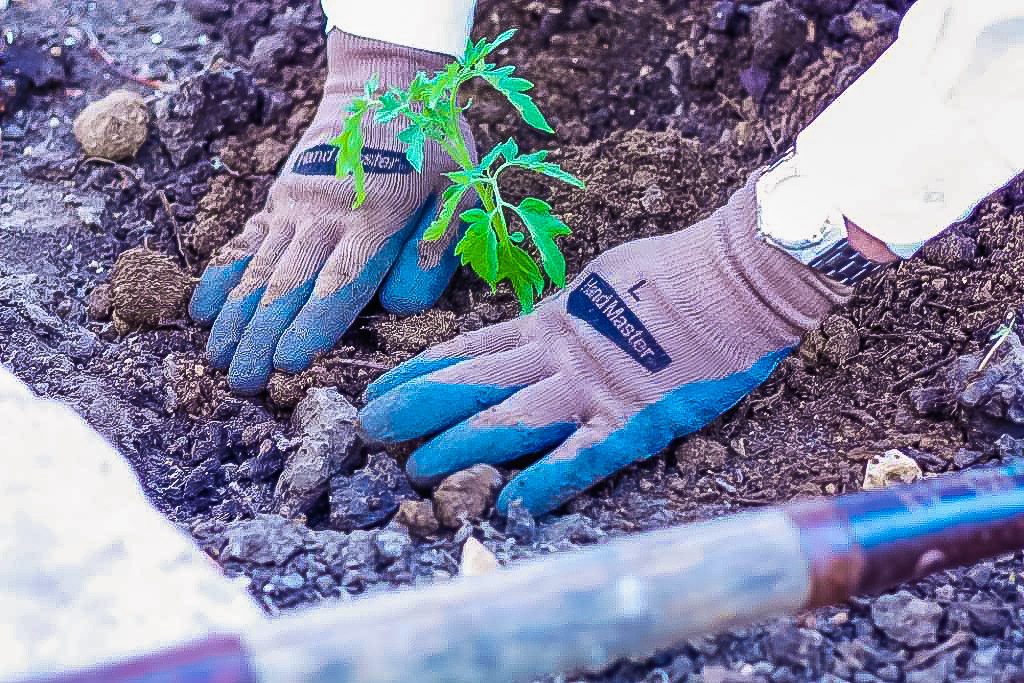
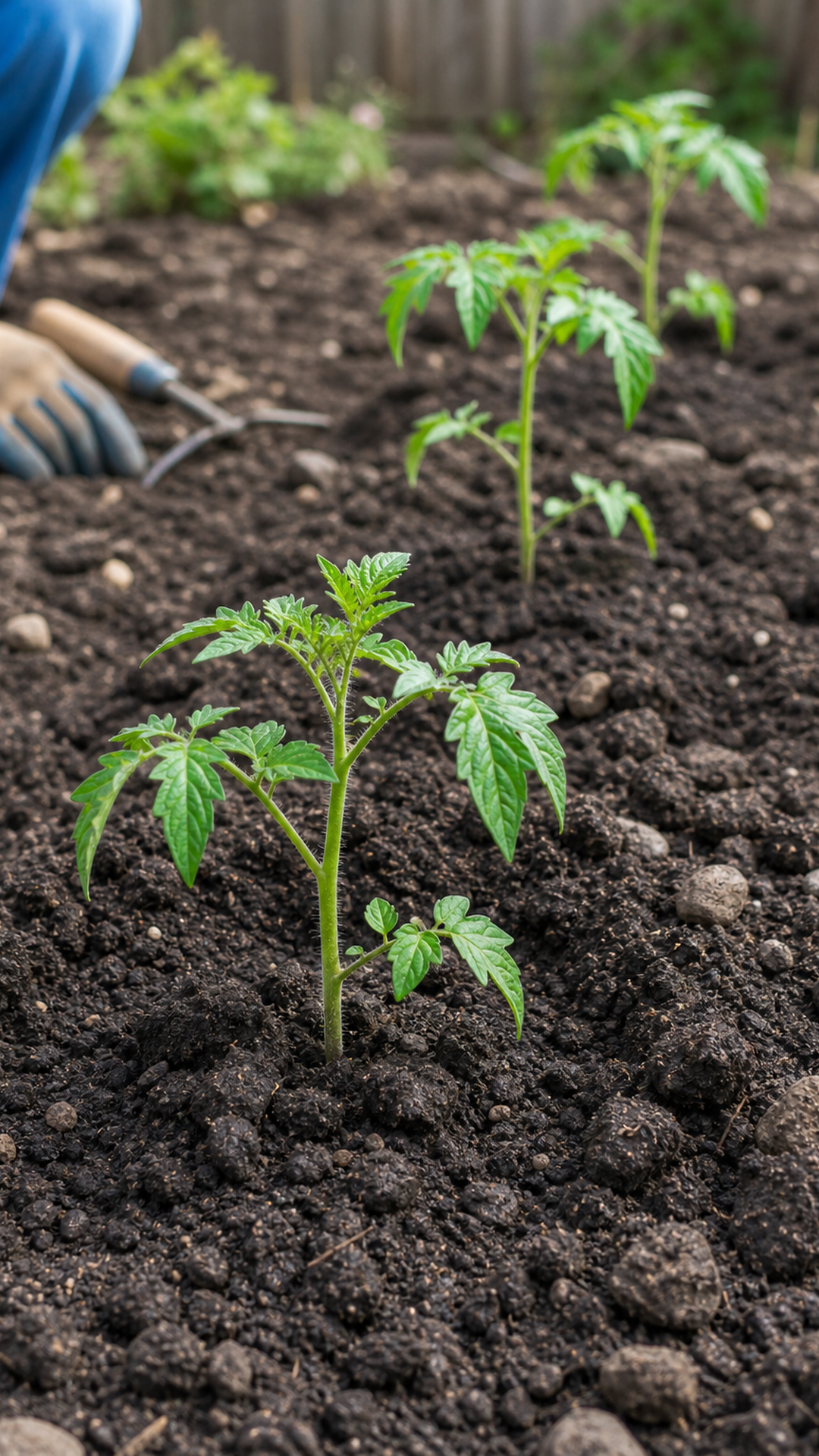
Dig a deep hole and set the tomato plant lower than it sat in its nursery pot. Leave the top healthy leaves above the soil and bury the lower stem. This is one of the best simple tricks for stronger tomato plants.
Tomatoes are unusual because they can form roots along the buried stem. That extra root growth helps the plant take up water and nutrients more efficiently once the summer heat settles in.

5. Fill, Firm, and Support the Plant
Fill the soil back in around the plant and gently press it into place. Add a tomato cage or support right away, while the plant is still small and easy to work around. Waiting until later usually means broken branches and a few words better left in the garden.
Leave enough space between plants for airflow and easy harvesting. Crowded tomatoes stay damp longer, and damp crowded leaves are an open invitation for problems you would rather not host.
6. Water Well at the Base
Water deeply after planting so moisture reaches the root zone. Aim water at the base of the plant instead of spraying the leaves. After that first watering, check the soil regularly and keep moisture consistent without leaving the bed soggy.
Helpful Tips Before You Start
- Plant after your last frost date, when nights are warming up.
- Give tomatoes room for air circulation. Crowded plants stay damp longer and are harder to manage.
- Choose determinate tomatoes for compact growth and indeterminate tomatoes when you want long-season vines with steady production.
- Put cages or stakes in at planting time so roots are not disturbed later.
- Water the soil, not the leaves, whenever possible.
- Keep weeds pulled so young plants are not competing for moisture and nutrients.
- Mulch after planting if your garden dries out quickly.
A Few Easy Mistakes to Avoid
The most common tomato mistakes are planting too early, planting too shallow, skipping support, watering inconsistently, and letting weeds take over. None of these are dramatic on their own, but together they can leave tomatoes stressed before they ever get going.
- Planting in cold soil: Tomatoes like warm weather. Cold soil slows them down.
- Planting shallow: Deep planting helps tomatoes build a stronger root system.
- Adding cages too late: Put supports in while the plant is small.
- Watering randomly: Big swings from dry to soaked can stress plants and contribute to fruit cracking.
- Ignoring weeds: Weeds steal moisture and nutrients from young tomato plants.
Common Tomato Problems to Watch For
Common tomato problems often come from uneven watering, crowded plants, poor airflow, heat stress, or nutrient issues. Catching problems early gives you a much better chance of correcting the course before the plant spends the whole season fussing at you.
- Blossom-end rot: Dark, sunken spots on the bottom of tomatoes are often tied to inconsistent moisture and calcium uptake. Keep watering steady and avoid letting plants swing from bone-dry to soaked.
- Splitting tomatoes: Fruit can crack after a heavy watering or rain follows a dry spell. Consistent moisture and mulch can help reduce splitting.
- Yellow leaves: A few lower yellow leaves can be normal, but widespread yellowing may point to watering stress, nutrient issues, or disease pressure.
- Wilting plants: Check soil moisture first. Hot afternoons can make tomatoes droop temporarily, but persistent wilting needs attention.
- Leaf spots: Remove badly affected leaves, avoid overhead watering, and give plants more airflow when possible.
- Pest damage: Check the undersides of leaves and look for chewed foliage, sticky residue, or damaged fruit. Early scouting is much easier than trying to save a plant after pests have made themselves comfortable.
A Few Things That Make Tomatoes Grow Better
Tomatoes grow better when their roots have loose soil, their stems are supported, and their moisture stays steady. A little compost, early caging, and consistent watering do more for tomato plants than fussy over-management.
If your soil is heavy, spend extra time loosening and amending it before planting. If your garden gets hot and dry, mulch can help keep the soil from drying out so quickly. If you are growing tall indeterminate varieties, choose sturdy supports because those plants can get ambitious in a hurry.
Garden vegetables tend to reward steady attention more than dramatic rescue missions. The same kind of simple care that helps tomatoes thrive also pays off with other summer vegetables, from green beans to okra, peppers, and herbs.
Determinate vs. Indeterminate Tomatoes
Determinate tomatoes grow to a more compact size and usually produce most of their fruit in a shorter window, while indeterminate tomatoes keep growing and producing through the season until heat, frost, disease, or exhaustion slows them down.
If you want a smaller plant for containers or a big batch for sauce, determinate varieties can be handy. If you want fresh tomatoes over a longer stretch of summer, indeterminate varieties are usually the better fit, but they need sturdier support.
How to Care for Tomato Plants After Planting
After planting, tomato care comes down to consistent watering, regular weeding, sturdy support, and occasional feeding. Check young plants often during their first week in the garden because that is when they are adjusting from pots to real soil.
- Water: Keep the soil evenly moist, especially during hot weather and fruiting.
- Weed: Pull weeds while they are small so they do not compete with the tomatoes.
- Feed: Use a tomato-friendly fertilizer or garden tonic according to label directions.
- Watch: Look for yellowing leaves, wilting, pests, or fruit problems early.
- Support: Gently guide branches into cages as the plants grow.
Should You Prune Tomato Plants?
Light pruning can help tomato plants by improving airflow and keeping lower leaves away from damp soil. You do not need to strip the plant bare; just remove damaged leaves, soil-touching lower leaves, and occasional crowded growth that blocks airflow.
Indeterminate tomatoes can handle a little more pruning than determinate tomatoes. With determinate plants, be more conservative because they have a shorter, more compact production habit.
Can You Grow Tomatoes in Containers?
Yes, tomatoes can grow in containers if the pot is large, drains well, and sits in full sun. Choose a compact or determinate variety for easier container growing, use quality potting mix, add a cage or stake, and check water more often because pots dry out faster than garden beds.
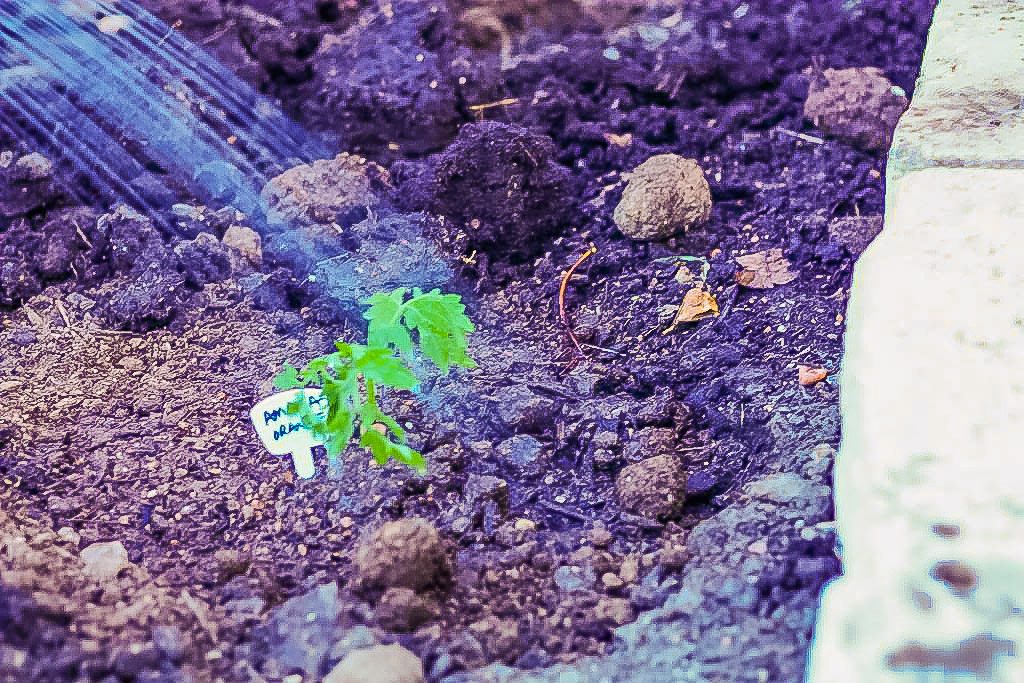
Original Tomato Garden Photos
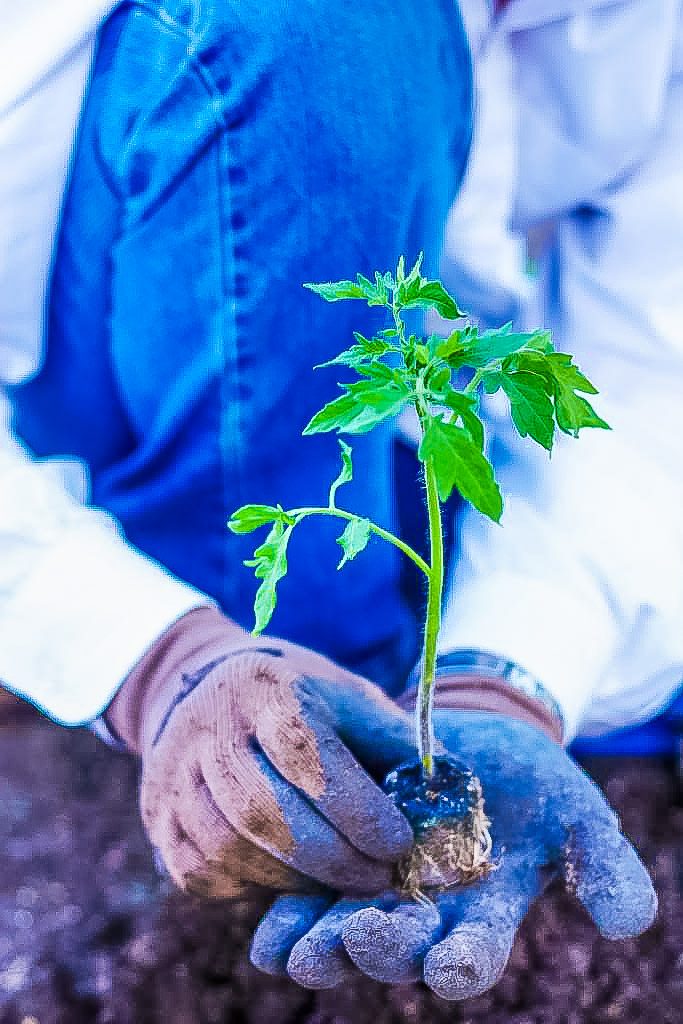
These original garden photos are included from the first version of this post so the refreshed guide keeps the real growing history and practical visual context from my garden.
When to Pick Tomatoes
Tomatoes are ready to pick when they have developed good color for their variety and feel slightly firm with a little give. Some heirloom tomatoes stay striped, green-shouldered, orange, yellow, or dark purple even when ripe, so learn the color and feel of the varieties you planted.
If birds, pests, or cracking become a problem, you can pick tomatoes once they start to blush and let them finish ripening indoors at room temperature. Do not refrigerate tomatoes unless you are trying to slow down overripe fruit for a short time.
What to Make with Fresh Garden Tomatoes
Fresh garden tomatoes are best used in recipes where their flavor can shine. Slice them for sandwiches, toss them into salads, cook paste tomatoes into sauce, or use cherry tomatoes for quick sides and summer snacking.
If you end up with a good harvest, start with this Easy Fresh Tomato Salad with Aged Balsamic Dressing. It is exactly the kind of simple recipe that makes homegrown tomatoes feel worth every minute in the garden.
If your summer garden is giving you more than tomatoes, tuck a few preserving ideas into your back pocket too. Garden produce has a way of arriving all at once, which is why simple projects like pickled okra are so useful when the harvest gets lively.
FAQs About Growing Tomatoes
How do you grow tomatoes for beginners?
To grow tomatoes as a beginner, plant healthy seedlings in full sun, loosen and enrich the soil, plant them deeply, add support, water consistently, and keep weeds under control. Start with a few strong plants instead of overplanting your first year.
How deep should tomato plants be planted?
Tomato plants should be planted deep enough to bury part of the stem after the lower leaves are removed. The buried stem can form additional roots, which helps create a stronger plant.
How much sun do tomatoes need?
Tomatoes need full sun, ideally at least 6 to 8 hours of direct sunlight each day. More sun usually means stronger growth and better fruit ripening, especially during peak season.
How often should you water tomato plants?
Water tomato plants when the soil starts to dry, keeping moisture consistent without making the soil soggy. In hot weather, raised beds and containers may need water more often than in-ground plants.
Do tomato plants need cages?
Most tomato plants benefit from cages, stakes, or trellises because support keeps the plant upright and helps keep fruit off the soil. Add support when planting so you do not disturb the roots later.
What is the best soil for tomatoes?
The best soil for tomatoes is loose, fertile, and well-draining. If your soil is compacted or clumpy, work in compost or garden mix before planting so the roots can spread more easily.
When should tomatoes be planted outside?
Tomatoes should be planted outside after the last frost date, when the soil is warm and nights are consistently mild. Cold soil can slow tomato growth and stress young plants.
How far apart should tomato plants be spaced?
Tomato plants are usually spaced about 18 to 36 inches apart, depending on the variety, support system, and garden layout. The goal is enough room for airflow, watering, pruning, and harvesting.
What causes tomatoes to split?
Tomatoes often split when a dry spell is followed by heavy rain or deep watering. The fruit expands quickly, and the skin cracks. Steady moisture and mulch can help reduce splitting.
What causes blossom-end rot on tomatoes?
Blossom-end rot often shows up as a dark sunken spot on the bottom of the tomato and is commonly connected to inconsistent watering and calcium uptake. Keeping soil moisture steady is one of the most practical prevention steps.
What is the difference between determinate and indeterminate tomatoes?
Determinate tomatoes stay more compact and usually produce in a shorter window, while indeterminate tomatoes keep growing and producing through the season. Determinate varieties are often easier for containers, while indeterminate varieties need stronger support.
Should tomato plants be pruned?
Tomato plants can be lightly pruned to improve airflow and remove lower leaves touching the soil. Avoid heavy pruning on determinate tomatoes because they have a shorter growth habit and fewer extra branches to spare.
When are tomatoes ready to pick?
Tomatoes are ready to pick when they have developed their mature color and feel slightly firm with a little give. Heirloom tomatoes may ripen to red, orange, yellow, purple, striped, or green-shouldered colors depending on the variety.
Can tomatoes grow in pots?
Tomatoes can grow well in pots if the container is large, drains well, and gets full sun. Container tomatoes need sturdy support and more frequent watering than tomatoes planted directly in garden beds.
Get More Recipes Like This
If you love garden-to-table recipes and practical kitchen ideas, you can get more from me here: join my email list.
Tried It?
If you grow tomatoes this season, I would love to hear which varieties you planted and what worked best in your garden. Every garden has its own little opinion, and tomatoes are very good at making that clear.
More Garden-Fresh Recipes and Ideas

Easy Fresh Tomato Salad with Aged Balsamic Dressing
One of my all-time favorite ways to celebrate the king of the garden is with this easy fresh tomato salad. This simple tomato salad recipe is loaded with juicy tomatoes, fresh herbs, and a sprinkle of kosher salt, all brought together with a simple yet divine extra-virgin olive oil and aged balsamic vinegar dressing. It's the perfect summer salad and comes together in minutes, making it a great side dish for any summer meal.
Roasted Green Beans
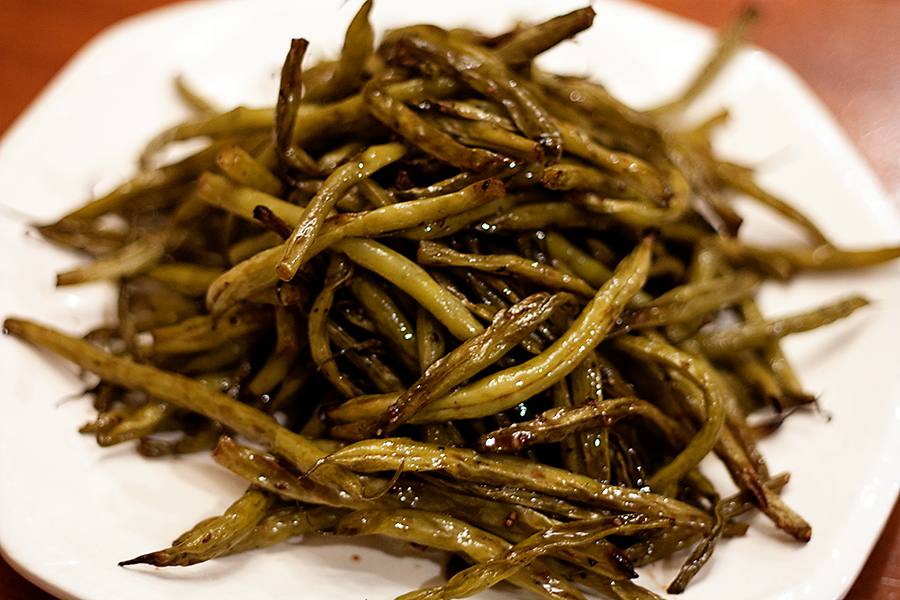
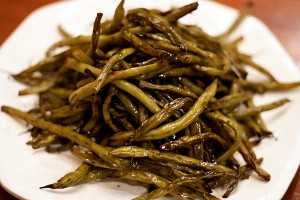
Have you ever roasted green beans? Well, I did the other night and my husband said that they were now his favorite way to eat green beans. What?! From the Texas man who loves them boiled down with half a pound of bacon, served well done? Yes, they were that good. They didn't look real

Pickled Okra
Okra is one of those vegetables you either love or hate. In my family, we have both lovers and haters. The texture of okra is what usually gets it into trouble...it's, well...slimy, and there's not much you can do about it. Those of us who love it, like to eat it fried, stewed, added to

Pie Pumpkins
This year was the first time we tried our hand at pumpkins. We planted "small sugar" pie pumpkins. I'm not too sure what happened, but I think we had a little thief come and nibble on them at night; we only got these 3 to maturity this year! Pie pumpkins differ from standard "jack-o-lantern" pumpkins




0