

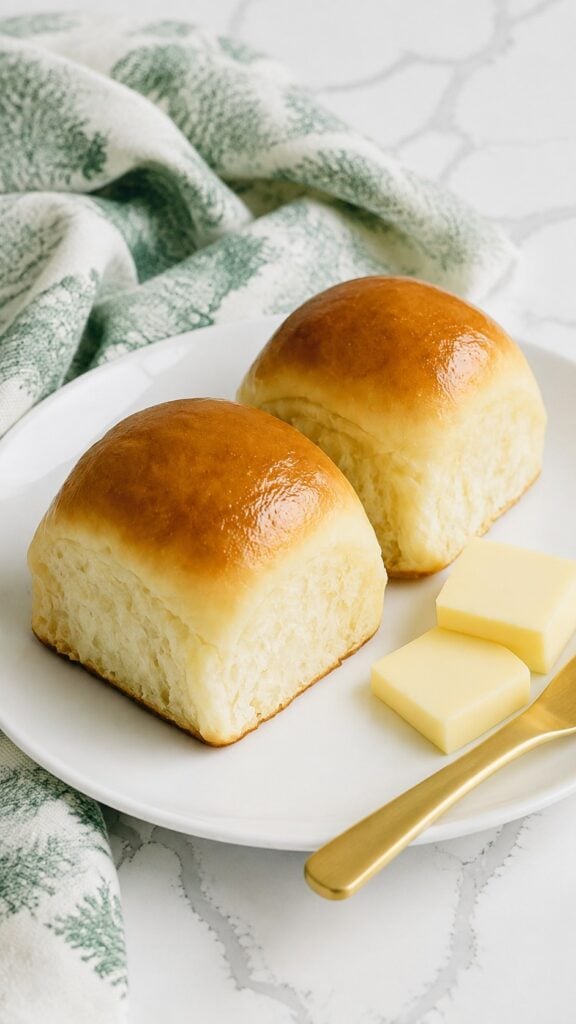
Homemade yeast rolls are soft, buttery dinner rolls made from an enriched dough with milk, butter, eggs, and active dry yeast. This recipe makes 20-24 glossy, golden pull-apart rolls in about 2½ hours-just right for a holiday table, Sunday supper, or any dinner that leaves gravy on the plate.
The most important thing is not to bully the dough with flour. Start with 5 cups, then add only what you need until the dough is soft, smooth, and beginning to release from the bowl. That slightly soft dough is what gives you a tender crumb instead of a bread basket full of doorstops.
If yeast baking is new territory, this is a friendly place to start. The method gives you clear visual cues at every stage, and the familiar dough-building rhythm is a good bridge to recipes like my Amish White Bread and Homemade Cinnamon Rolls.
What Are Homemade Yeast Rolls?
Homemade yeast rolls are individual portions of enriched bread dough that rise twice before baking. Butter, whole milk, eggs, and sugar give these rolls a soft crumb and gentle richness, while active dry yeast supplies the lift. Baking them close together creates tender pull-apart sides and evenly golden tops.
Why You'll Love This Recipe
- Soft without being fussy: The enriched dough stays tender, and the flour range lets you adjust by feel.
- A generous batch: One recipe makes 20-24 rolls for a crowd.
- Hand or mixer friendly: Knead by hand for 8-10 minutes or use a dough hook for 6-8 minutes.
- Holiday-ready: They belong beside turkey, ham, pot roast, or any meal involving gravy.
- Worth saving: Leftovers make excellent breakfast sandwiches and sliders.
Recipe At-a-Glance
- Flavor: Buttery, gently sweet, and classic
- Texture: Soft, fluffy, and pull-apart tender
- Difficulty: Beginner-friendly yeast dough
- Prep time: 25 minutes
- Rise time: 1½-2 hours
- Bake time: 15-18 minutes at 375°F
- Make-ahead: Bake, cool, and store up to 3 days
- Freezer-friendly: Yes, up to 2 months
- Best occasions: Easter, Thanksgiving, Christmas, and Sunday dinner
Where This Dish Comes From
Soft yeast rolls are a familiar part of American holiday and Sunday-dinner tables. This version follows the classic enriched-dough approach: bloom the yeast, mix it with milk, butter, eggs, sugar, and salt, develop the dough by kneading, then give it a first rise and a second proof after shaping.
Ingredients You'll Need
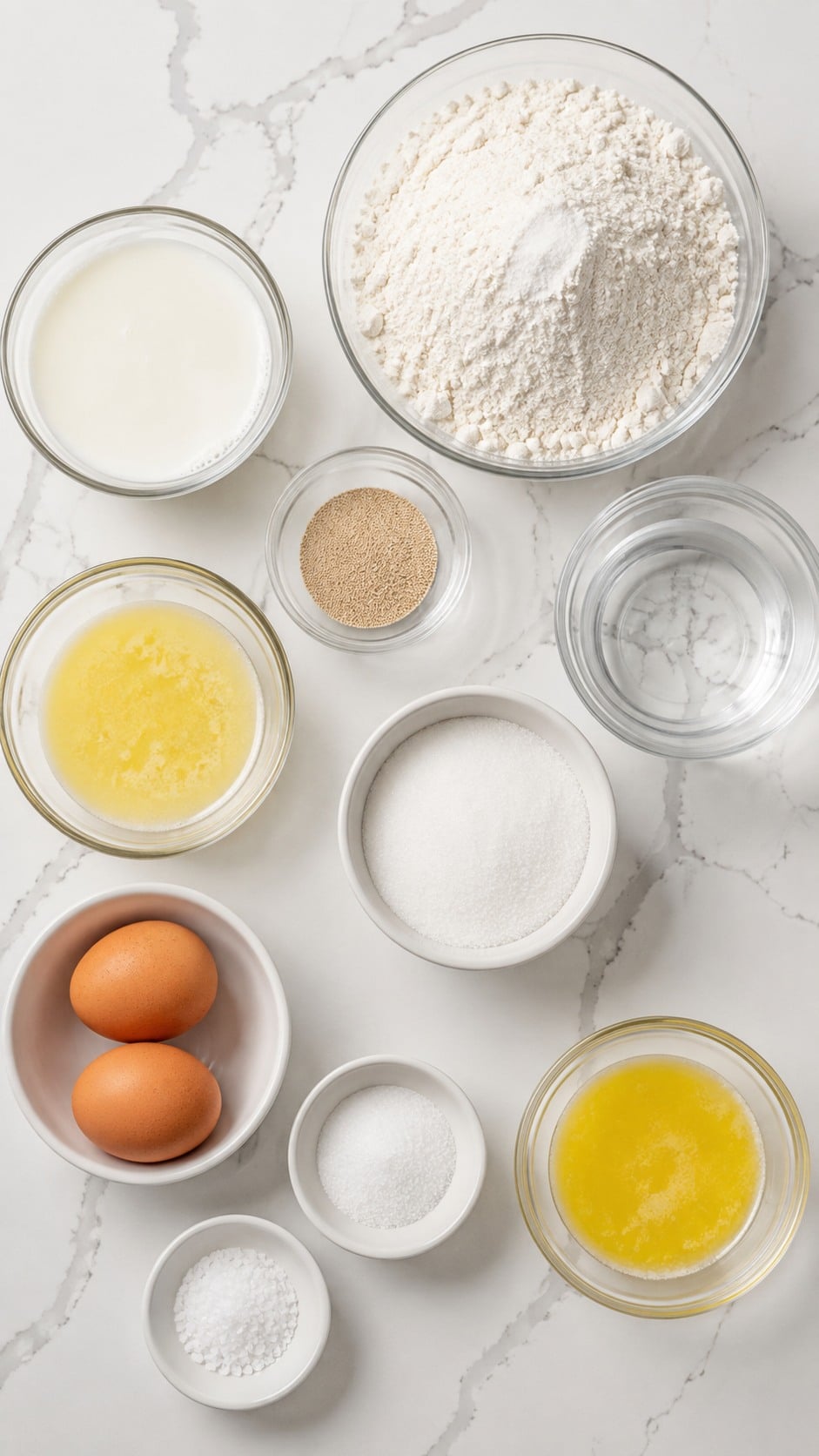
- Active dry yeast: Bloom it in warm water with a little sugar so you can confirm it is active.
- Warm water: About 110°F is warm enough to wake the yeast without overheating it.
- Salted butter: Adds richness to the dough and a soft, glossy finish after baking.
- Granulated sugar: Gently sweetens the rolls and supports browning.
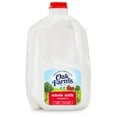
- Whole milk: Gives the crumb a particularly soft, rich texture.
- Eggs: Add structure, richness, and color.
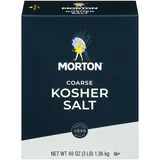
- Kosher salt: Balances the sweetness and seasons the dough.
- All-purpose flour: Begin with 5 cups and use the remaining cup only as needed.
 Buy Now →
  Buy Now →
  Buy Now →
  Buy Now →
  Buy Now →
  Buy Now →
  Buy Now →
Ingredient Notes & Substitutions
- Instant yeast: Add it with the flour instead of blooming it, but keep the warm water in the dough so the hydration stays the same.
- Milk: Whole milk gives the softest, richest rolls; 2% milk also works.
- Unsalted butter: Substitute it for salted butter and add a small extra pinch of salt if desired.
- Finishing butter: Stir in a little honey for sweetness or fresh garlic, rosemary, thyme, or parsley for a savory finish.
Tools That Make It Easier
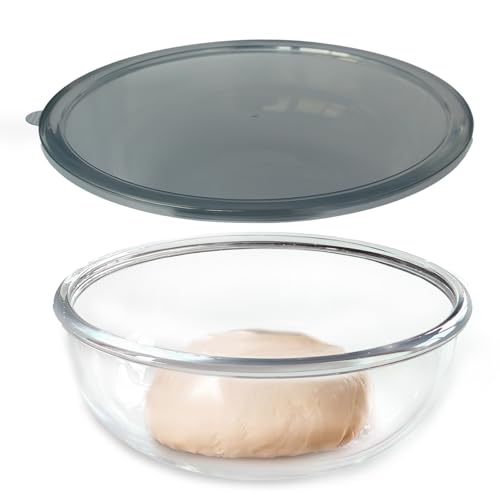
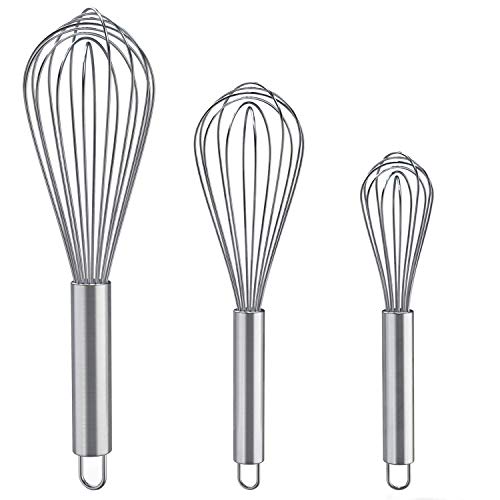
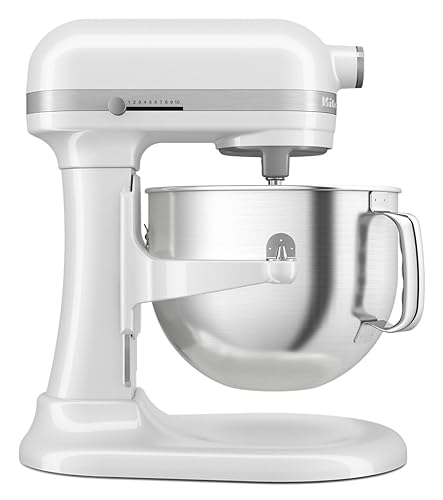
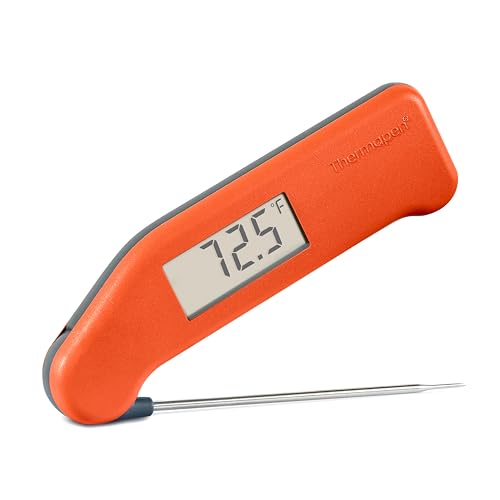
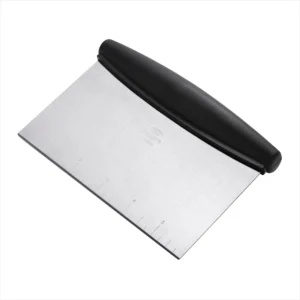
I use a large mixing bowl, whisk, sturdy spoon or stand mixer with a dough hook, kitchen thermometer, bench scraper, clean towel or plastic wrap, and a greased 9x13-inch baking dish when I make homemade yeast rolls.
 Buy Now →
  Buy Now →
  Buy Now →
  Buy Now →
  Buy Now →
  Buy Now →
 How to Make Homemade Yeast Rolls
1. Wake Up the Yeast
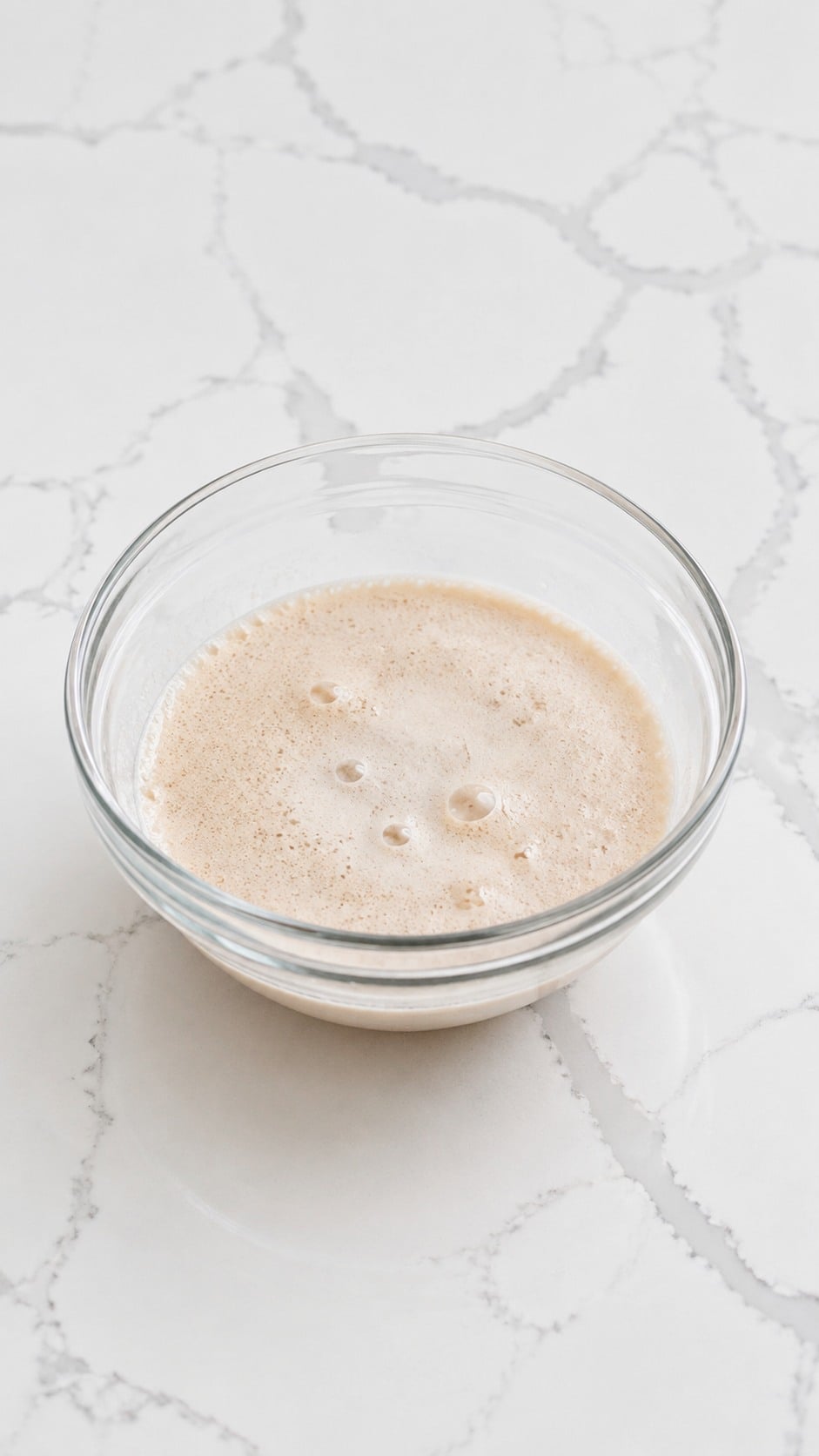
Stir the active dry yeast, 1 teaspoon sugar, and warm water together. Let it stand for 5-10 minutes; the surface should look foamy, which tells you the yeast is active.
2. Mix the Rich Dough Base
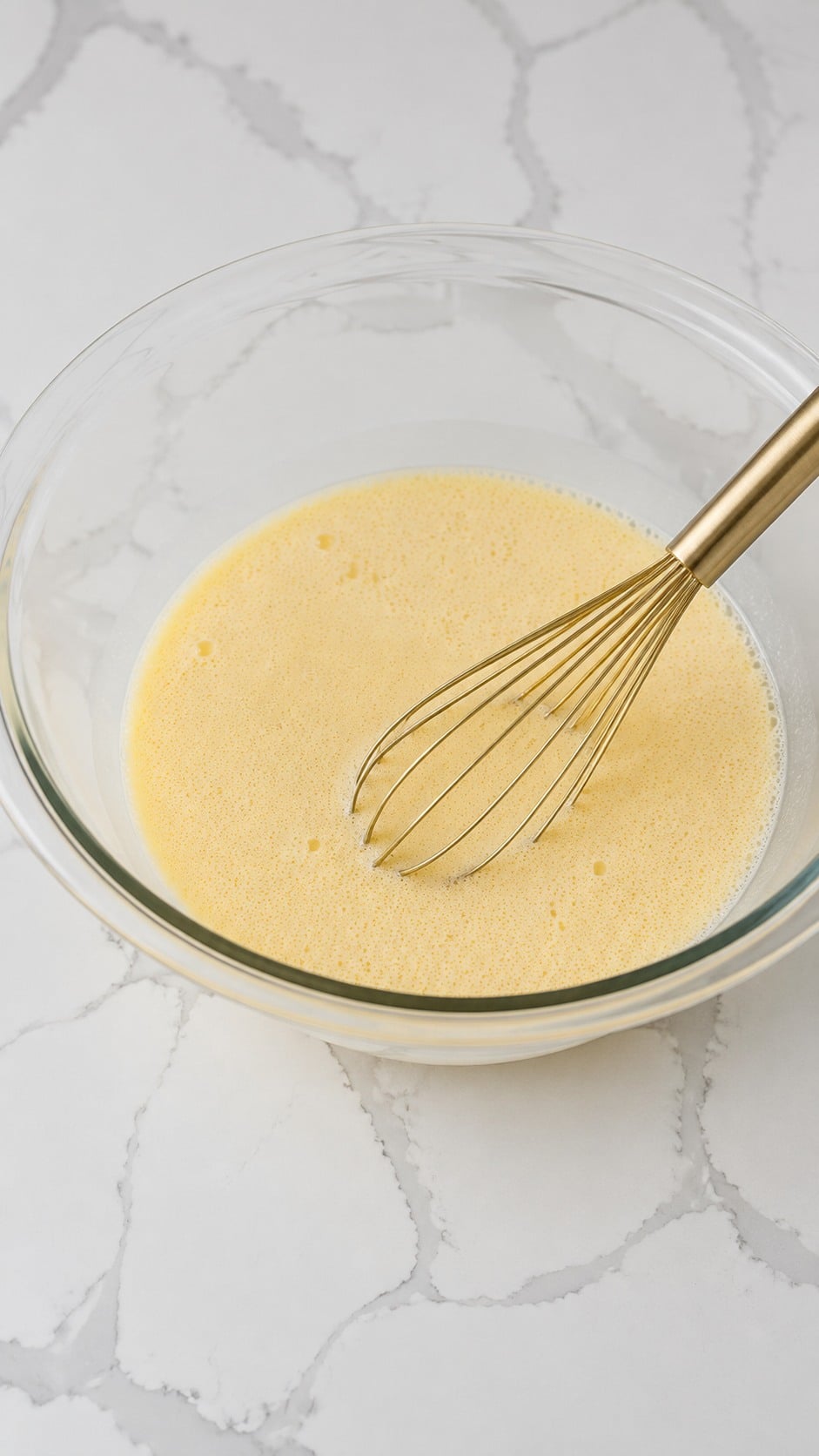
Whisk the ½ cup melted butter, ½ cup sugar, room-temperature milk, eggs, and kosher salt in a large bowl. Stir in the foamy yeast mixture until evenly combined.
3. Add the Flour and Knead
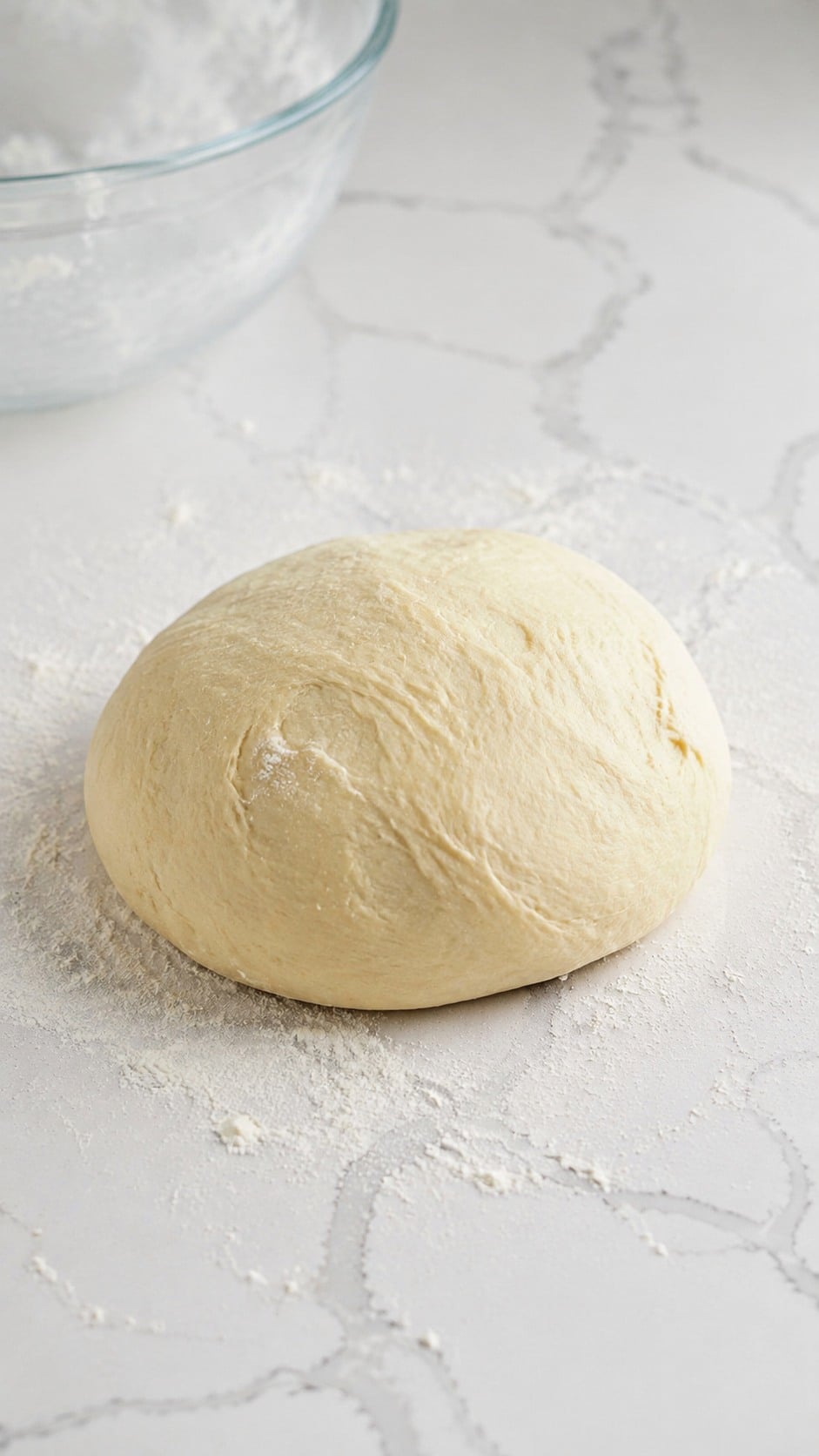
Gradually mix in 5 cups of flour, adding more only as needed until a soft dough forms and begins releasing from the bowl. Knead on a lightly floured surface for 8-10 minutes, or with a dough hook on low to medium-low for 6-8 minutes, until smooth and elastic.
4. Let the Dough Rise
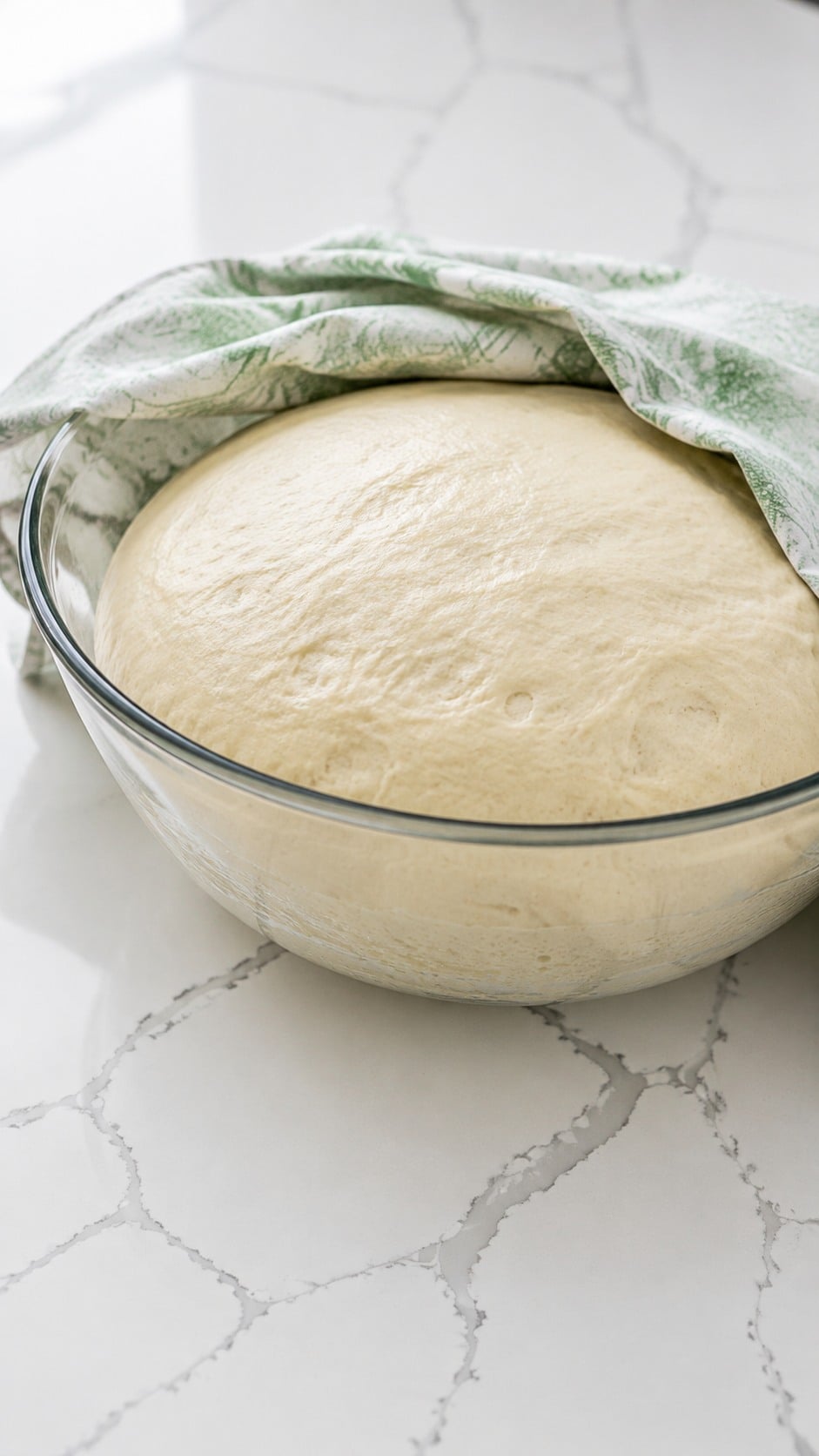
Place the dough in a lightly greased bowl, turn it once to coat, and cover. Let it rise in a warm place for 1-1½ hours, until it is approximately doubled in volume.
5. Divide and Shape the Rolls
Gently deflate the dough and divide it into 20-24 pieces. Pull each piece's edges underneath and roll gently against the work surface to make a smooth ball, then arrange the rolls in a greased 9x13-inch dish or on a parchment-lined baking sheet.
6. Give Them a Second Rise
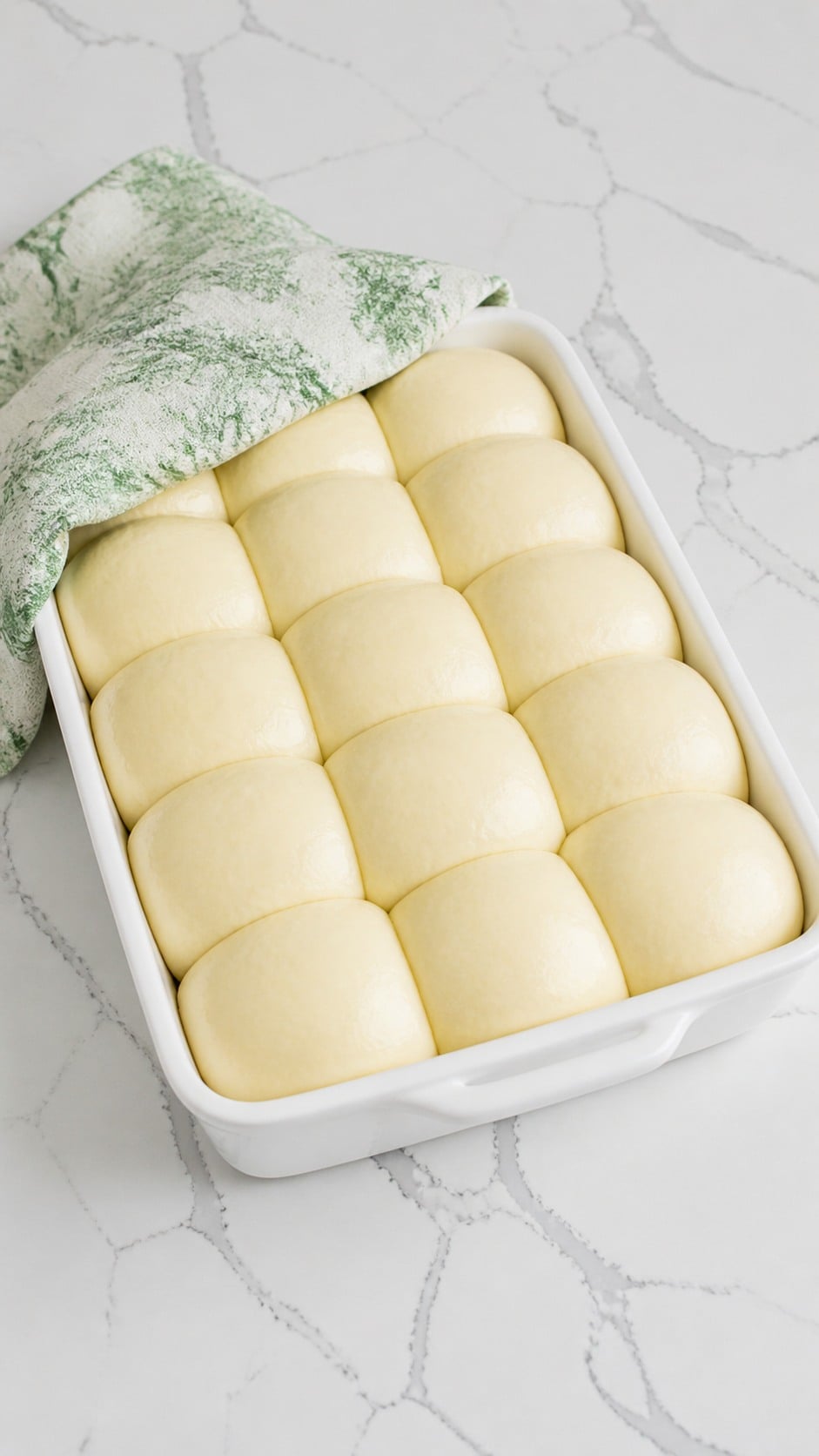
Cover loosely and let the shaped rolls rise for 30-45 minutes, until noticeably puffy. Rolls in a baking dish may begin touching; preheat the oven to 375°F during the final part of this rise.
7. Bake and Butter the Tops
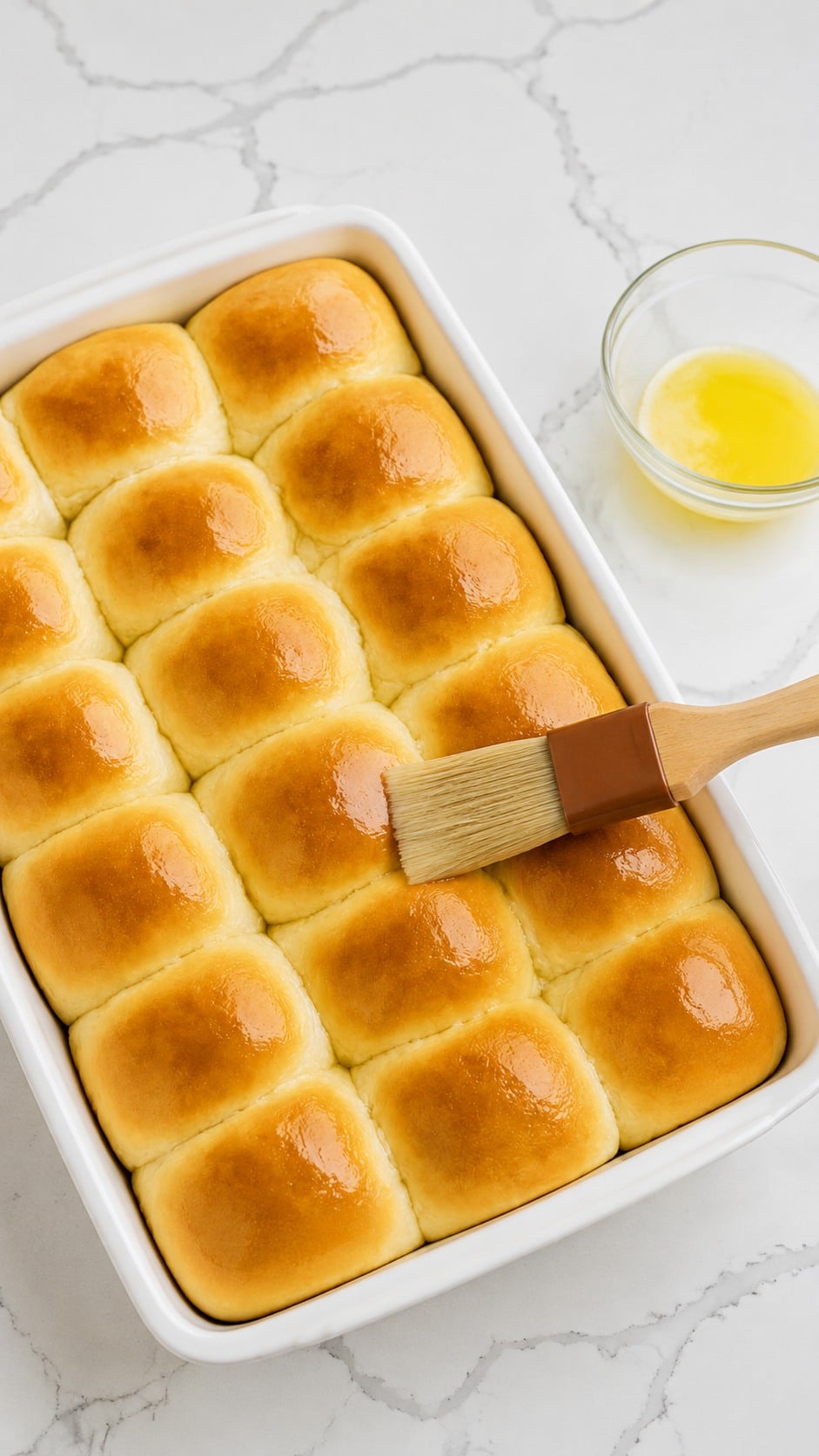
Bake for 15-18 minutes, until the tops are evenly golden and the centers are baked through. Brush the hot rolls immediately with 2 tablespoons melted butter, then cool for several minutes before serving.
Helpful Tips Before You Start
- Check the water temperature. Water around 110°F should feel warm, not hot; excessive heat can damage the yeast.
- Let the dough tell you when it has enough flour. It should be soft and manageable, not dry or stiff.
- Measure by appearance as well as time. A cool kitchen can lengthen either rise.
- Choose the pan for the result you want. Rolls touching in a baking dish have soft sides; spaced rolls on a sheet brown around more of the surface.
A Few Easy Mistakes to Avoid
- The yeast never foams: It may be old or the water may be too cool or too hot. Start again with fresh yeast before using the remaining ingredients.
- The dough feels stiff: Too much flour makes heavy rolls. Stop adding flour once the soft dough releases from the bowl.
- The rolls bake up dense: Short proofing is often the culprit. Wait for doubled dough on the first rise and visibly puffy rolls on the second.
- The tops brown too quickly: Cover the pan loosely with foil while the centers finish baking.
A Few Things That Make This Recipe Better
For evenly sized rolls, divide the dough with a bench scraper instead of tearing it. Tuck the edges underneath each portion to build surface tension; that small shaping step encourages a high, rounded top. A final brush of butter while the rolls are still hot gives the crust its shine and keeps it tender.
Keeping Leftovers Fresh
Cool the rolls completely, then store them airtight at room temperature for up to 3 days. Refresh them in a 300-325°F oven for several minutes, covering loosely with foil if the tops begin to brown too much.
For longer storage, freeze completely cooled rolls in a freezer-safe bag or tightly wrapped container for up to 2 months. Thaw them at room temperature while still wrapped, then warm in a 325°F oven. You can also wrap rolls individually before freezing for easier portions.
Can You Make Homemade Yeast Rolls Ahead?
The tested make-ahead option is to bake the rolls, cool them completely, and keep them airtight for up to 3 days or freeze them for up to 2 months. The recipe has not been tested with an overnight refrigerated rise, so use the baked-storage method when timing matters.
What to Serve with Homemade Yeast Rolls
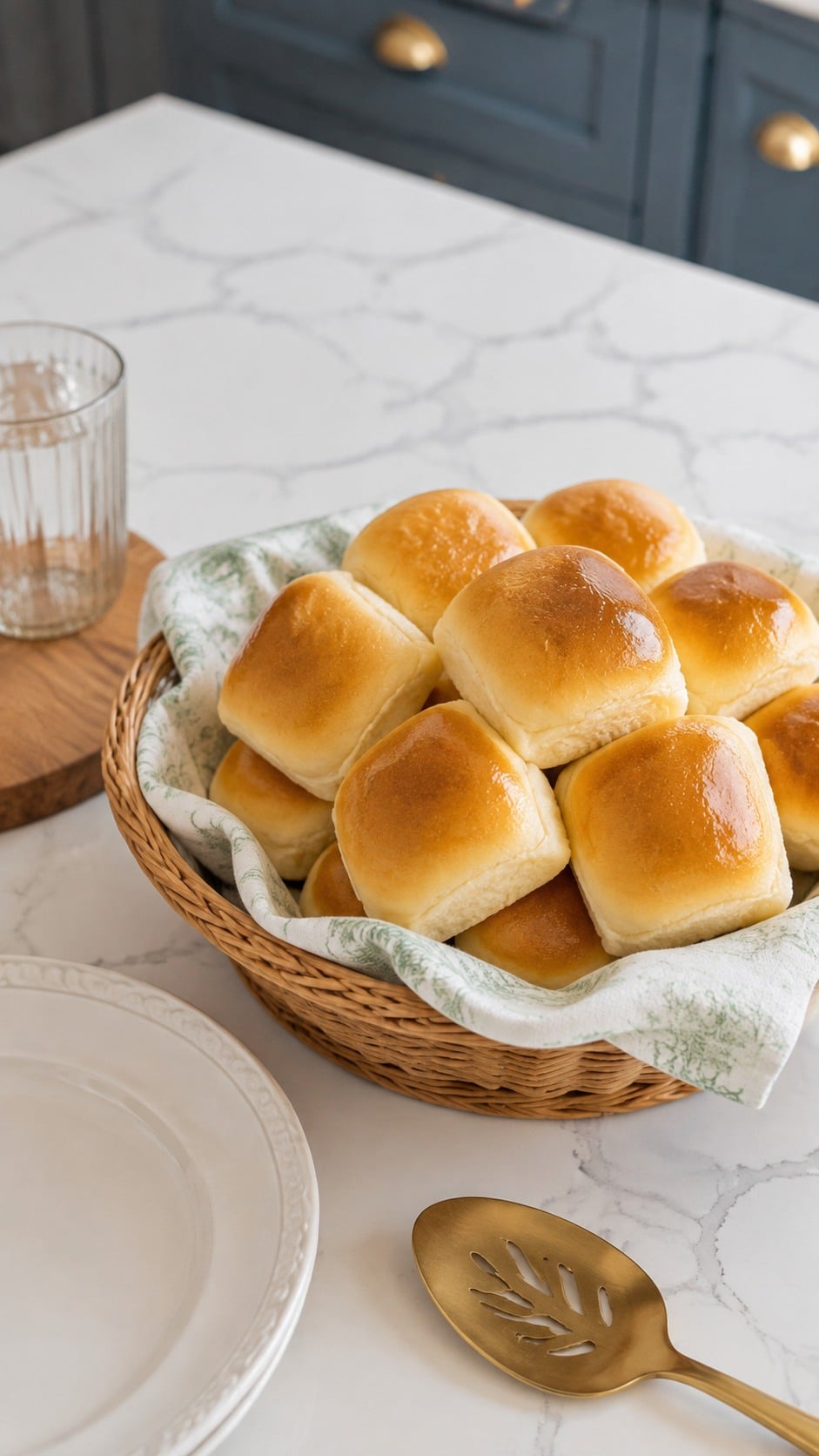
Serve these rolls wherever you would want something soft and buttery to catch gravy or soup. For Thanksgiving, pair them with these:

Classic Homemade Turkey Gravy
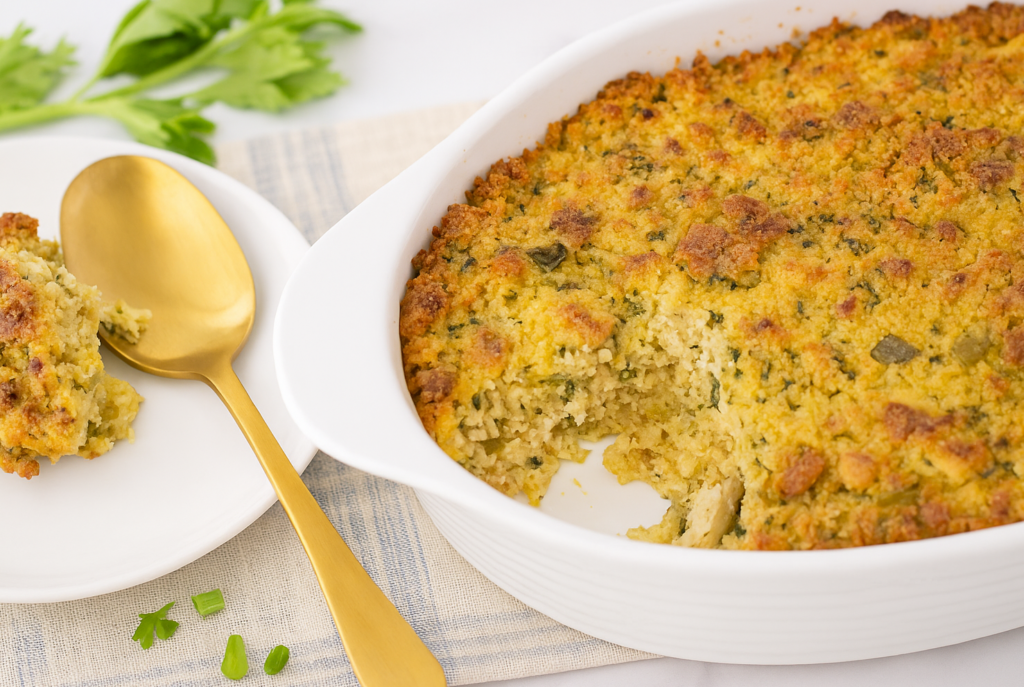
Southern Cornbread Dressing
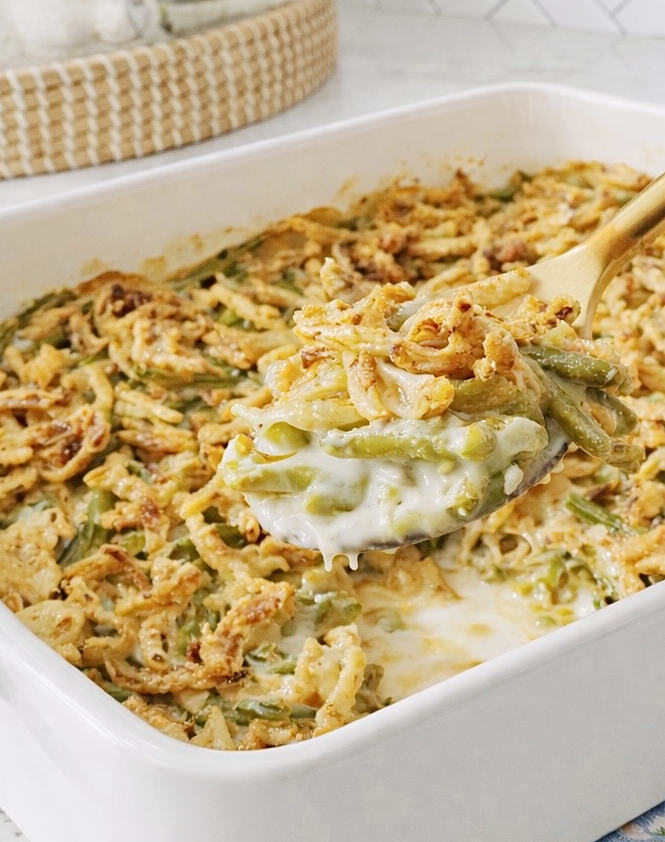
Crunchy Green Bean Casserole
Serve them with these:
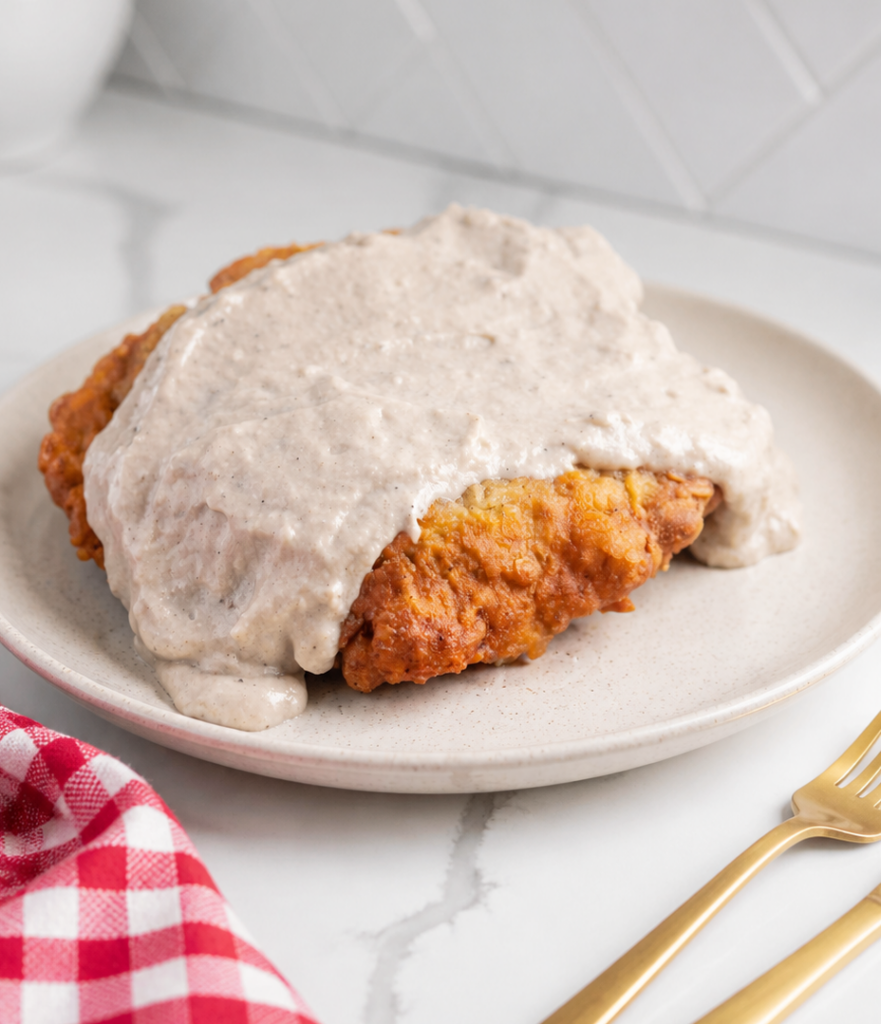
Texas Chicken Fried Steak

Copycat Honey Baked Ham
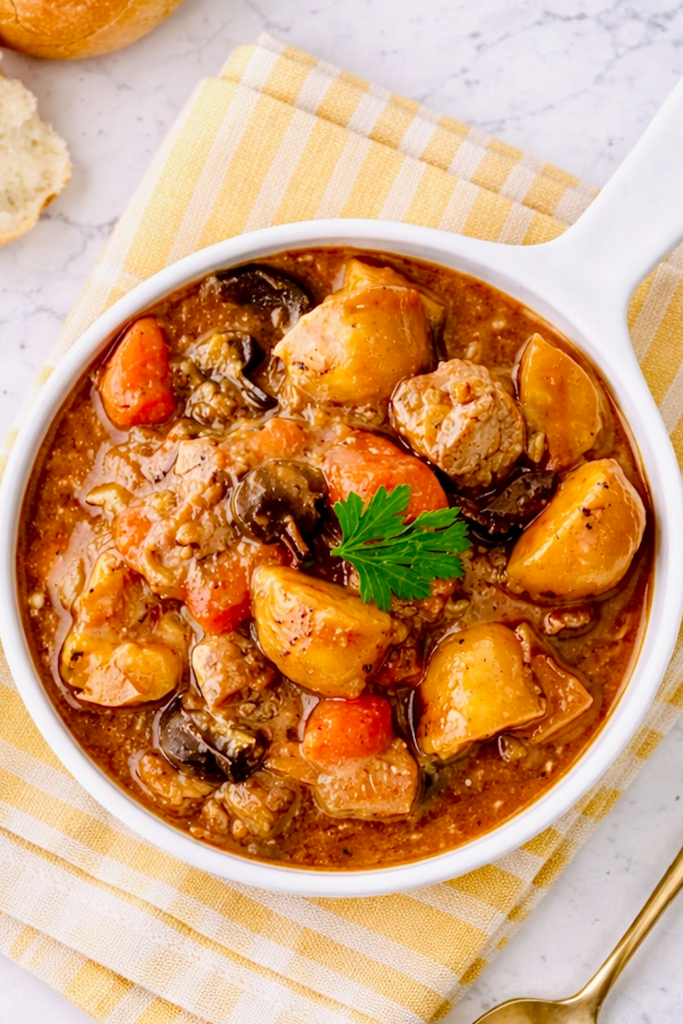
Classic Beef Stew
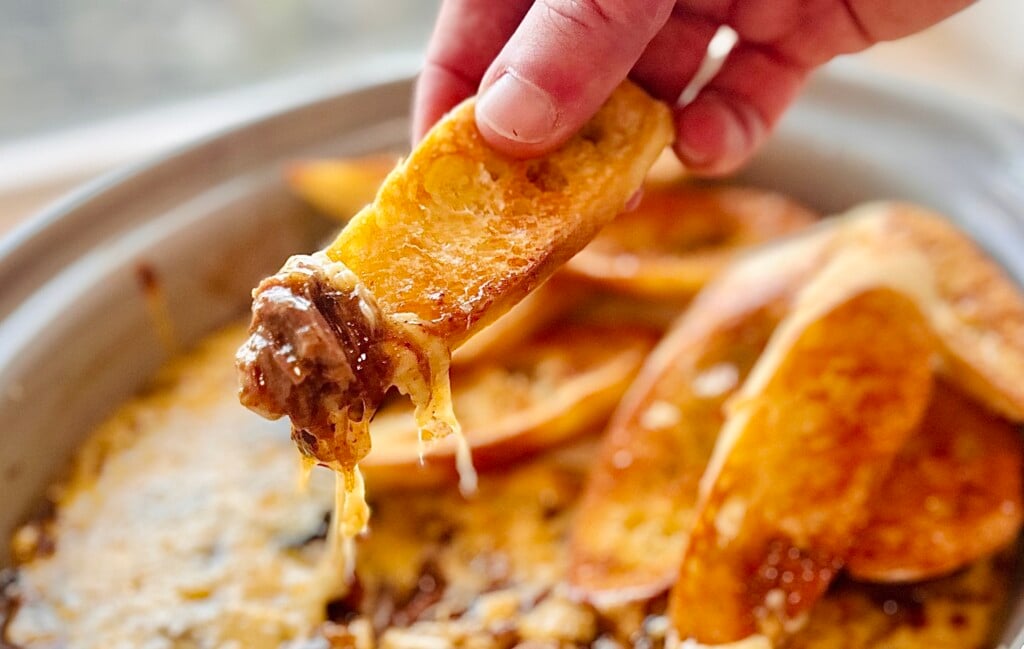
French Onion Pot Roast
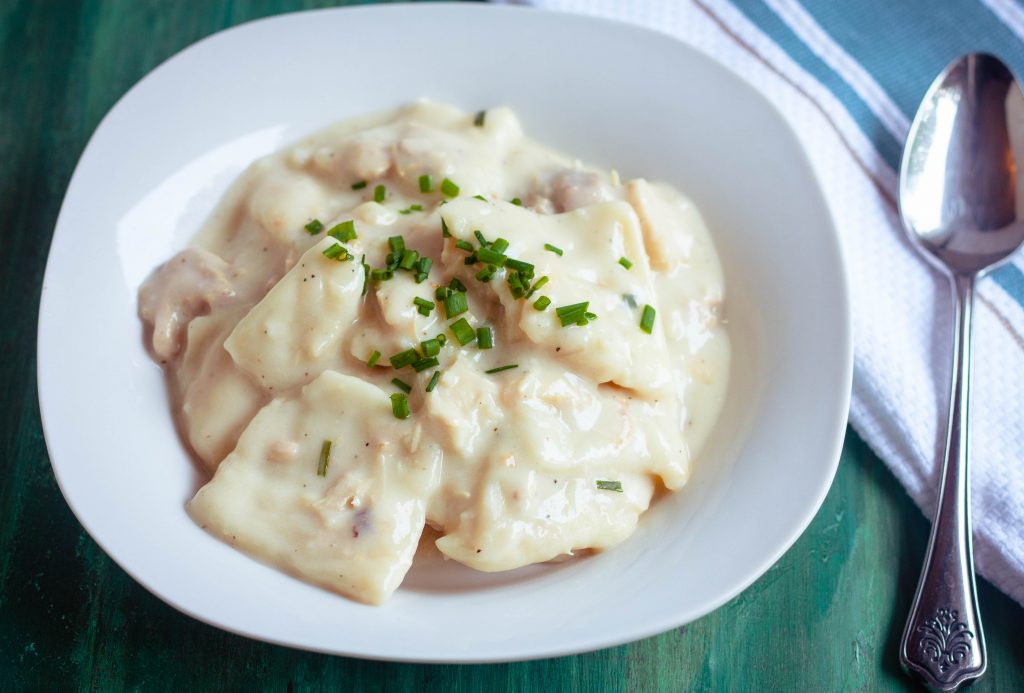
Southern Style Chicken and Dumplings
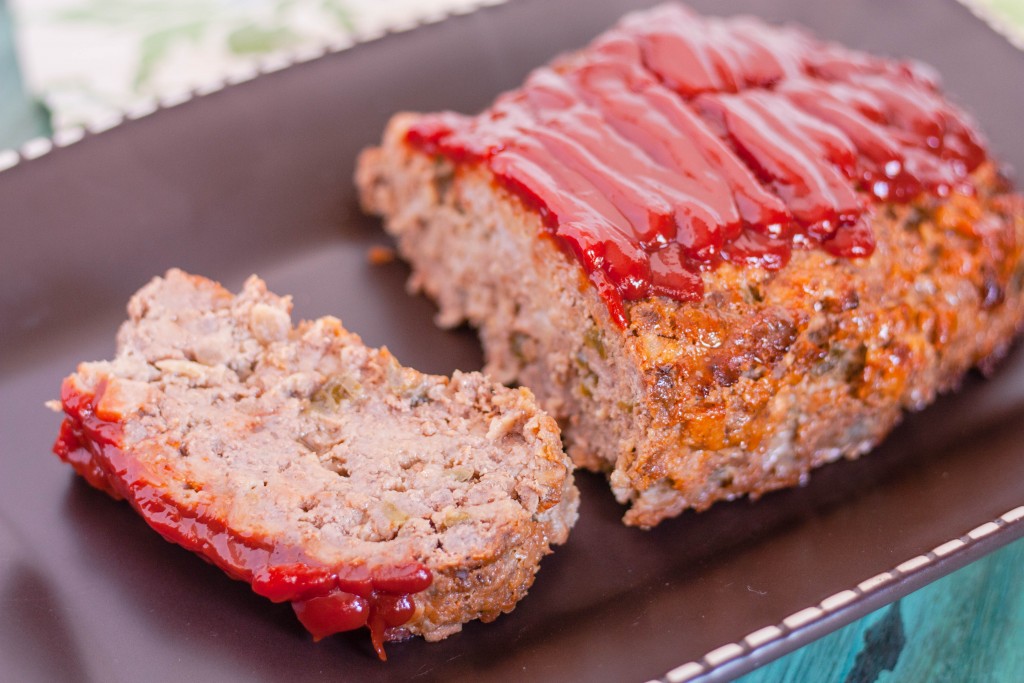
Homestyle Meatloaf with Brown Sugar-Ketchup Glaze
Split leftover rolls for breakfast sandwiches or small ham, turkey, roast beef, or pulled pork sliders.
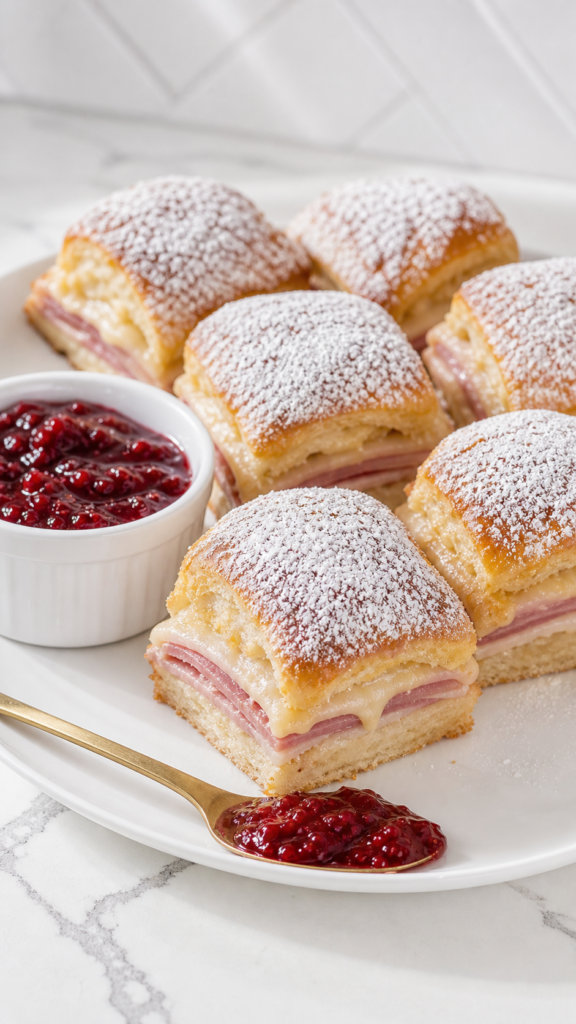
Easy Baked Monte Cristo Sliders with Hawaiian Rolls
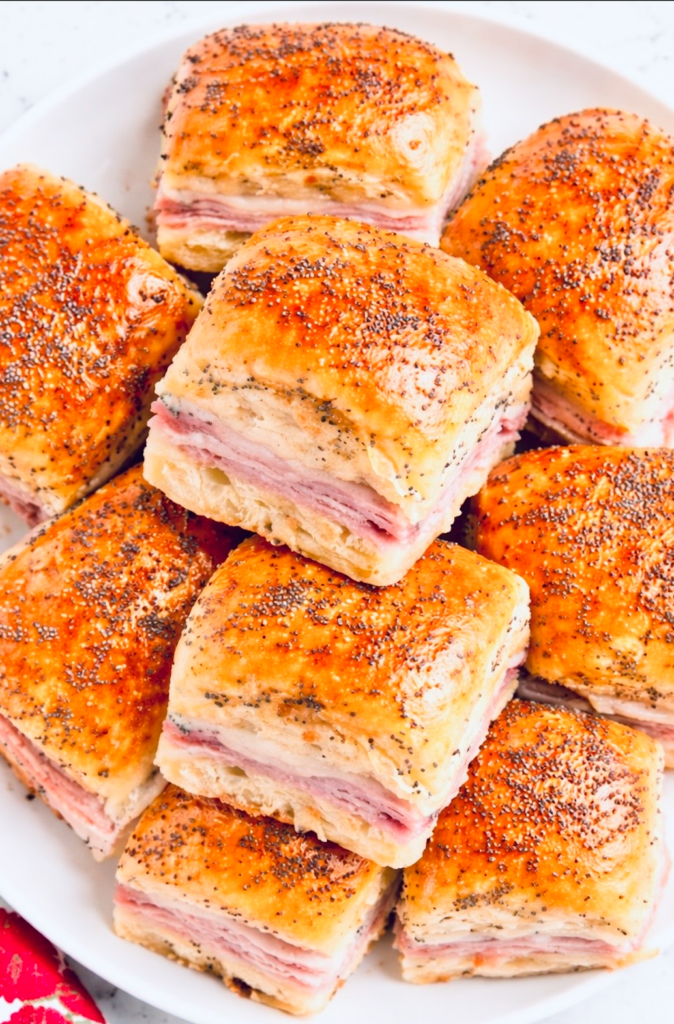
Ham and Cheese Hawaiian Sliders
Homemade Yeast Rolls FAQs
Can I use instant yeast instead of active dry yeast?
Yes. Mix instant yeast with the flour instead of dissolving it first, but keep the warm water in the recipe so the dough maintains the intended hydration.
Why didn't my yeast foam?
The yeast may be inactive, expired, or exposed to water outside the ideal warm range. If no foam develops after 5-10 minutes, begin again with fresh yeast and water around 110°F.
How do I know when I have added enough flour?
Stop when the dough is soft, manageable, and beginning to release from the sides of the bowl. The full sixth cup may not be necessary, and forcing it in can make the baked rolls dense.
Can I bake the rolls on a sheet pan?
Yes. Space the shaped rolls on a parchment-lined baking sheet. They will brown around more of the surface than rolls baked close together in a 9x13-inch dish.
Can homemade yeast rolls be frozen?
Yes. Freeze completely cooled rolls airtight for up to 2 months. Thaw them at room temperature while wrapped, then reheat at 325°F until warmed through.
Get More Recipes Like This
If you loved this recipe, make sure you join my email list. I send out my best weeknight dinners, holiday favorites, and reader-requested recipes straight to your inbox.
I'll also send you My 5 Chef Secrets that instantly elevate your cooking-the exact techniques I use in my own kitchen.
Tell Me How It Turned Out
⭐⭐⭐⭐⭐
One of my favorite parts of sharing recipes is hearing how they turn out in other kitchens.
Leave a comment below and tell me what worked, what you changed, or who you made it for. I read every comment and genuinely enjoy seeing your variations and serving ideas.
If you loved the recipe, please take a second to leave a 5-star rating. Those ratings help other readers find the recipes that are worth making.
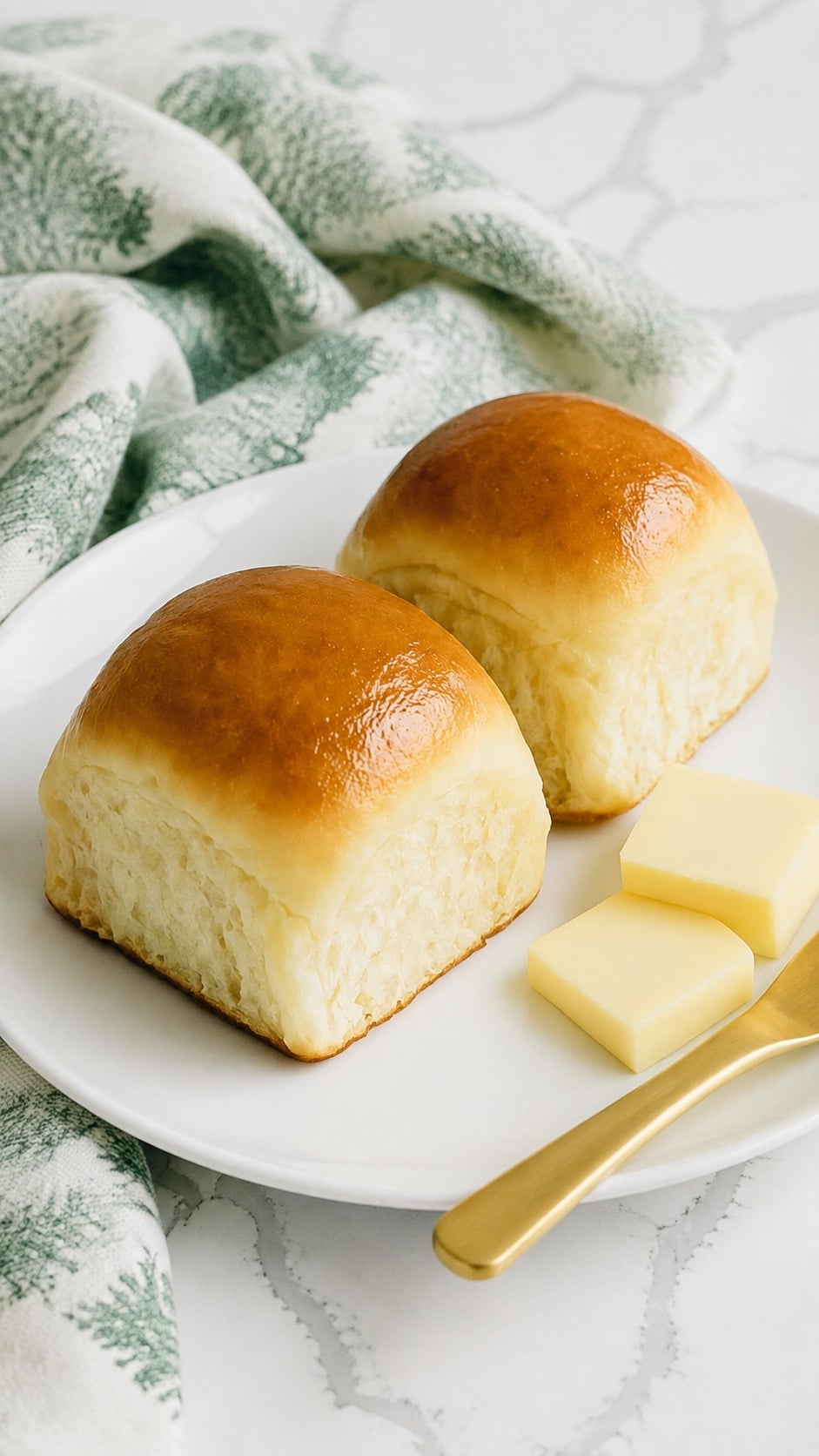
More Recipes You Might Like
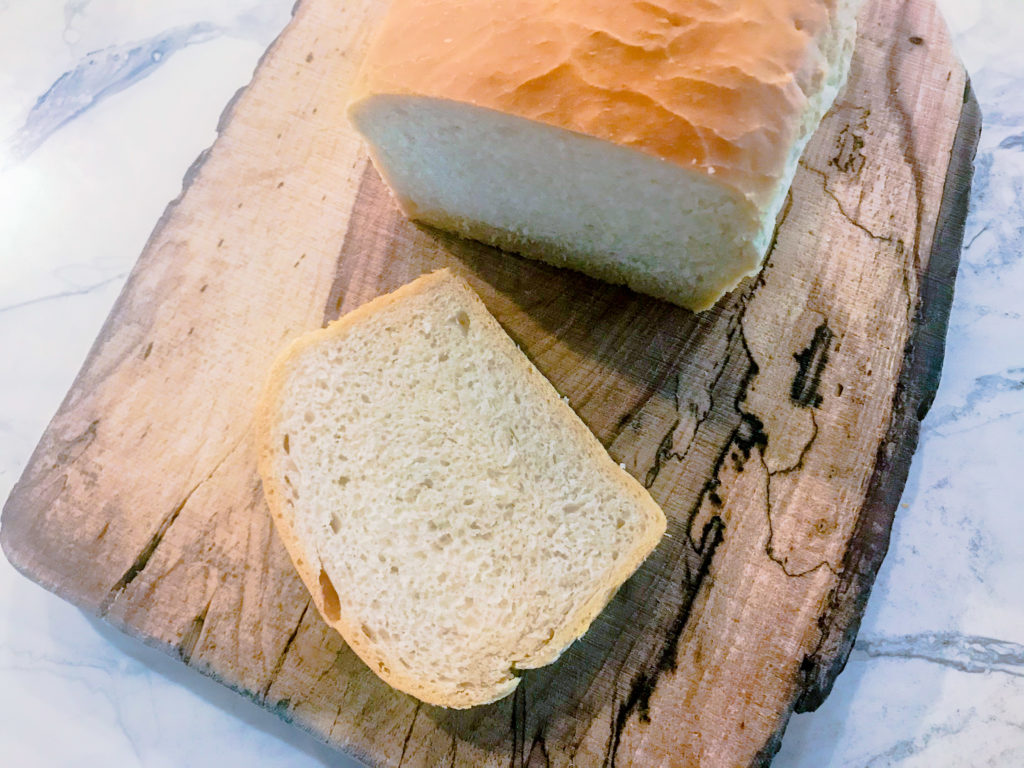
Amish White Bread
Soft and tender Amish White Bread is an easy, homemade bread that is perfect for sandwiches or toast!

Homemade Cinnamon Rolls
There is nothing like walking into a home or bakery with the smell of cinnamon rolls baking. It makes my mouth water just thinking about it. I was fortunate to grow up with a mom and grandma that loved to cook and bake. My mom's side of the family is Czech and there's a long
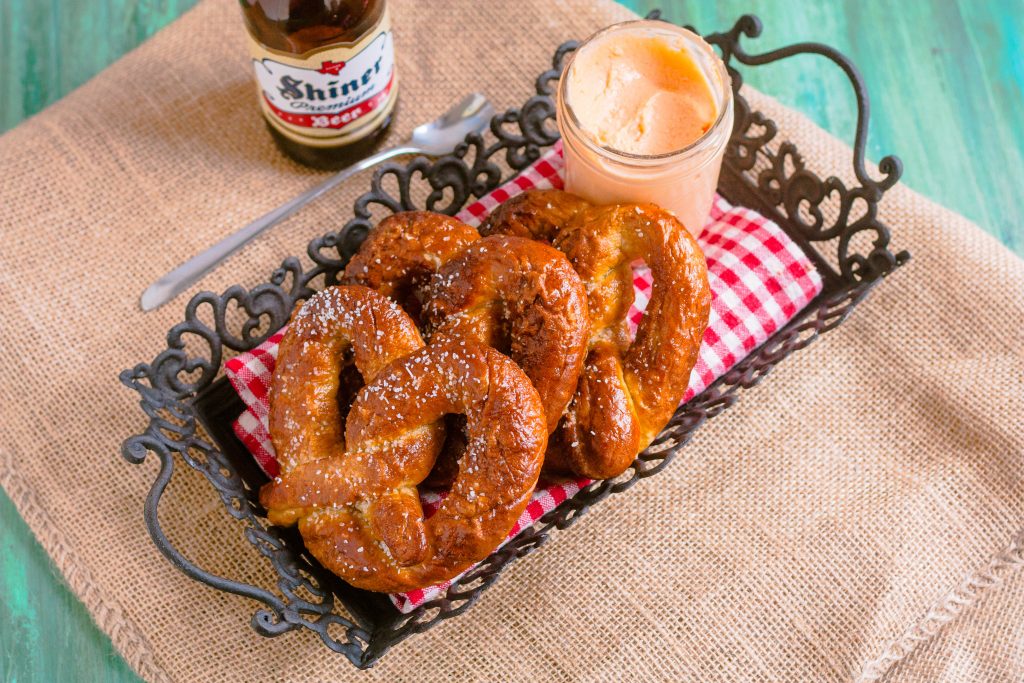
Sourdough Soft Pretzels
Soft, chewy and warm Sourdough Soft Pretzels will fill your house with the most amazing aroma and will wow your tastebuds! Soft, buttery hand-rolled and twisted soft pretzels made with the tanginess of sourdough. I don't know about you, but I could eat my weight in buttery soft pretzels! These Sourdough Soft Pretzels are extra

Homemade Garlic Bread
Buttery, crisp, and full of garlicky goodness, this easy homemade garlic bread is a family favorite-perfect with pasta, soup, or just eaten warm straight from the pan!
Recipe
PrintHomemade Yeast Rolls

Soft, fluffy homemade yeast rolls bake up golden and tender with buttery tops, making them an easy classic for holiday dinners and family meals.
- Prep Time: 25 minutes
- Cook Time: 15-18 minutes
- Total Time: About 2½ hours
- Yield: 20-24 rolls 1x
- Category: Breads, Side Dish
- Method: Baking
- Cuisine: American, Southern
Ingredients
1 packet active dry yeast (2 ¼ teaspoons)
1 teaspoon granulated sugar
½ cup warm water, about 110°F
½ cup salted butter, melted and cooled slightly
½ cup granulated sugar
1 cup whole milk, at room temperature
2 large eggs
1 teaspoon kosher salt
5-6 cups all-purpose flour
2 tablespoons melted butter, for finishing
Instructions
Stir the yeast, 1 teaspoon sugar, and warm water together in a small bowl. Let stand for 5-10 minutes, until foamy.
Whisk together the ½ cup melted butter, ½ cup sugar, milk, eggs, and kosher salt in a large mixing bowl. Stir in the activated yeast mixture.
Gradually mix in 5 cups flour. Add more only as needed until a soft dough forms and releases from the bowl. Knead by hand 8-10 minutes or with a dough hook on low to medium-low 6-8 minutes, until smooth and elastic.
Place in a lightly greased bowl, turn to coat, cover, and rise in a warm place 1-1½ hours, until approximately doubled.
Gently deflate and divide into 20-24 pieces. Shape into smooth balls and arrange in a greased 9x13-inch dish or on a parchment-lined baking sheet.
Cover loosely and rise 30-45 minutes, until noticeably puffy. Preheat the oven to 375°F during the final portion of the rise.
Bake 15-18 minutes, until evenly golden and baked through. Immediately brush with 2 tablespoons melted butter and cool several minutes before serving.
Notes
Substitutions
- Instant yeast may replace active dry yeast. It does not need to be dissolved in water first and can be incorporated with the flour. Keep the warm water in the recipe so the dough maintains the proper hydration.
- Whole milk produces the softest, richest rolls, but 2% milk will also work.
- Unsalted butter can be substituted for salted butter. Add a small additional pinch of salt to the dough if desired.
- For a slightly sweeter finish, stir a little honey into the butter used for brushing the baked rolls.
- Fresh chopped garlic, rosemary, thyme, or parsley can be added to the finishing butter for savory rolls.
Serving Suggestions and Pairings
- Serve warm alongside roast chicken, turkey, ham, pot roast, fried chicken, or meatloaf.
- Pair with soups, chili, beef stew, or chicken and dumplings.
- Serve as part of a Thanksgiving, Christmas, Easter, or Sunday dinner.
- Split leftover rolls for breakfast sandwiches or use them for small ham, turkey, roast beef, or pulled pork sliders.
Storage
- Allow rolls to cool completely before storing.
- Keep them in an airtight container or tightly sealed bag at room temperature for up to 3 days.
- To refresh the rolls, warm them in a 300-325°F oven for several minutes. Cover loosely with foil if they begin browning too quickly.
Freezing
- Freeze completely cooled rolls in a freezer-safe bag or tightly wrapped container for up to 2 months.
- Thaw at room temperature while still wrapped to help prevent them from drying out.
- Reheat thawed rolls in a 325°F oven until warmed through.
- Individual rolls can also be wrapped separately before freezing for easier portioning.
Nutrition
- Serving Size: 1 roll



0