

There are some dinners I make without thinking too hard about them, and others that ask me to slow down and stay put.
I don't think of lobster risotto as a shortcut dinner. It's something I cook when I want something special and I'm willing to slow down for it. It's not hard, but it does require my full attention.
What I like about lobster risotto is how the rice carries the flavor. The stock, the butter, the wine - it all ends up right where it should. I make it as a meal on its own, or occasionally as a side when the rest of the menu is already leaning a little over the top.
I almost always use pre-cooked lobster meat here. The seafood market will steam it for you, and that's fine by me. This dish isn't about wrestling a whole lobster on a weeknight. It's about getting the rice right and letting the lobster warm through at the end.
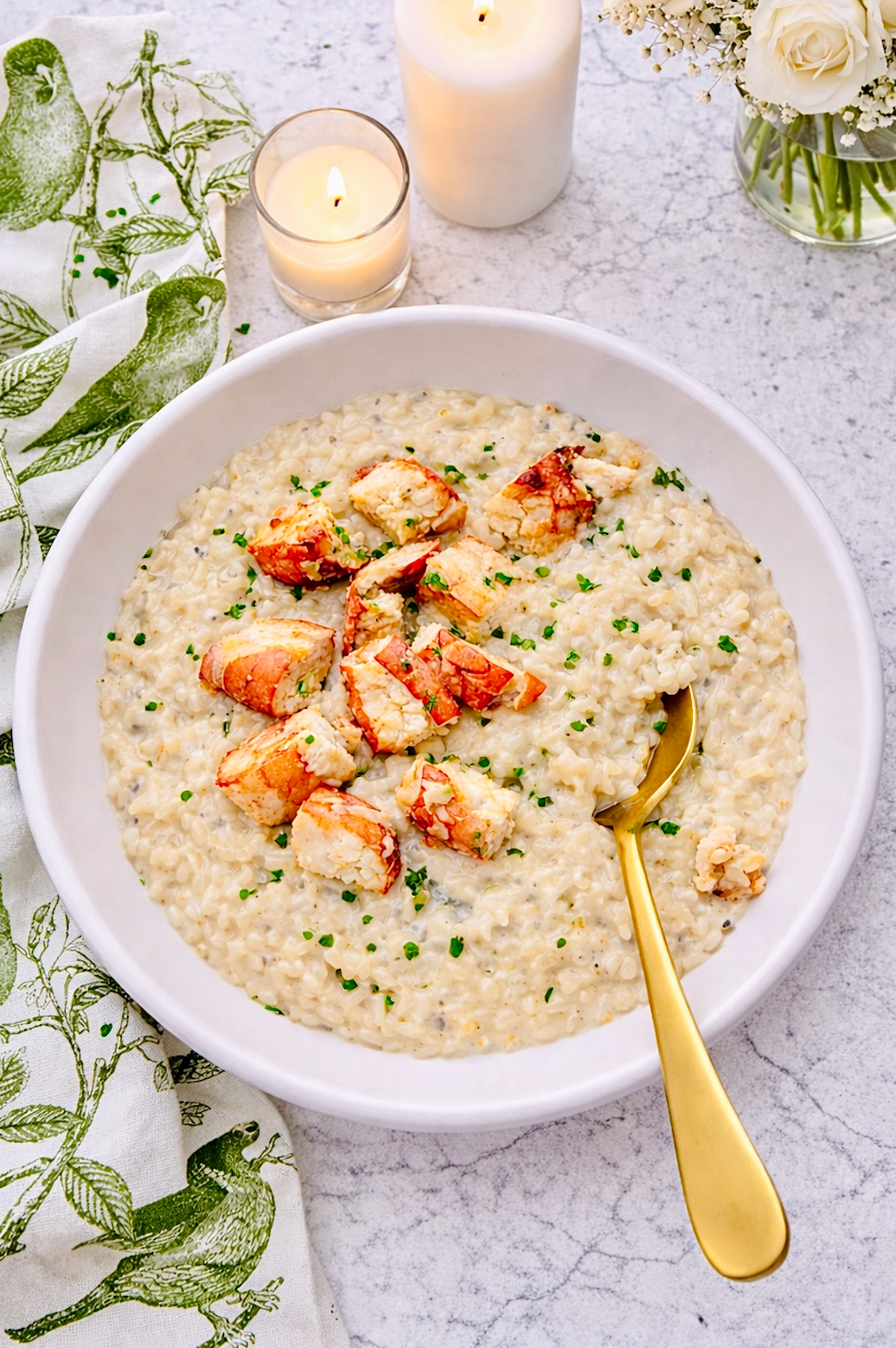
Risotto is meant to be loose and creamy, not stiff. In northern Italy it's spooned, not piled. If you serve it and it doesn't settle into the bowl, it's gone a minute too far. A splash of hot stock will usually bring it back.
This is the kind of dinner I make when I want to cook something extra special, something I put my heart into - usually for someone special.
This post may contain affiliate links. I may receive commissions for purchases made through links in this post.
The Roots of This Recipe
Risotto is a northern Italian rice dish, most closely associated with Lombardy and the Veneto, made by slowly cooking short-grain rice with hot stock until creamy.
The technique became established in the 19th century as Arborio and other short-grain rices were cultivated in the Po Valley. These rices release starch gradually, creating a creamy texture without relying on added dairy.
Seafood risottos developed along Italy's coastal regions, where shellfish stocks were common and fresh fish broths were part of everyday cooking. Lobster versions are a later adaptation, shaped more by restaurant cooking than regional tradition.
The Gist
Cook time: 30 minutes | Total time: 45 minutes
Yield: Serves 4 (with some leftovers)
Skill level: Intermediate
Best for: Special-occasion dinner, Valentine's Day, dinner party
Make-ahead friendly: No
Dietary notes: Gluten-free
What you'll learn: How steady heat and timing create a creamy risotto without shortcuts
You Might Also Like


Why You'll Love It
The texture is genuinely creamy, not thick or gluey.
The lobster stays tender because it's added at the right moment.
Leftovers reheat better than most people expect, as long as you're patient.
Kitchen Equipment
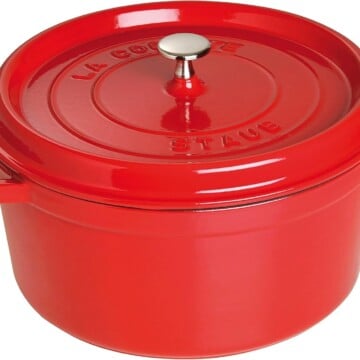 Buy Now →
  Buy Now →
  Buy Now →
  Buy Now →
  Buy Now →
  Buy Now →
Shop my kitchen favorites
Visit my Amazon Store for the tools and staples I use most often.
Ingredients You'll Need
 Buy Now →
  Buy Now →
  Buy Now →
  Buy Now →
  Buy Now →
  Buy Now →
Better Than Bouillon Lobster Base
Buy Now → Buy Now →
  Buy Now →
  Buy Now →
  Buy Now →
  Buy Now →
 Ingredient notes
Arborio or another short-grain white rice is non-negotiable for creamy risotto.
Dry white wine should be something crisp and drinkable; sharp wine stays sharp.
Lobster stock made from shells gives the best results, but a good seafood stock will still work.
Heavy cream isn't traditional, but a small amount smooths the finish and rounds everything out.
Substitutions
Shrimp or crab meat can replace lobster, though the flavor shifts noticeably.
Seafood or chicken stock can stand in for lobster stock, but the dish will be milder.
Half-and-half works in place of cream if you want a lighter finish.
How to make Creamy Lobster Risotto
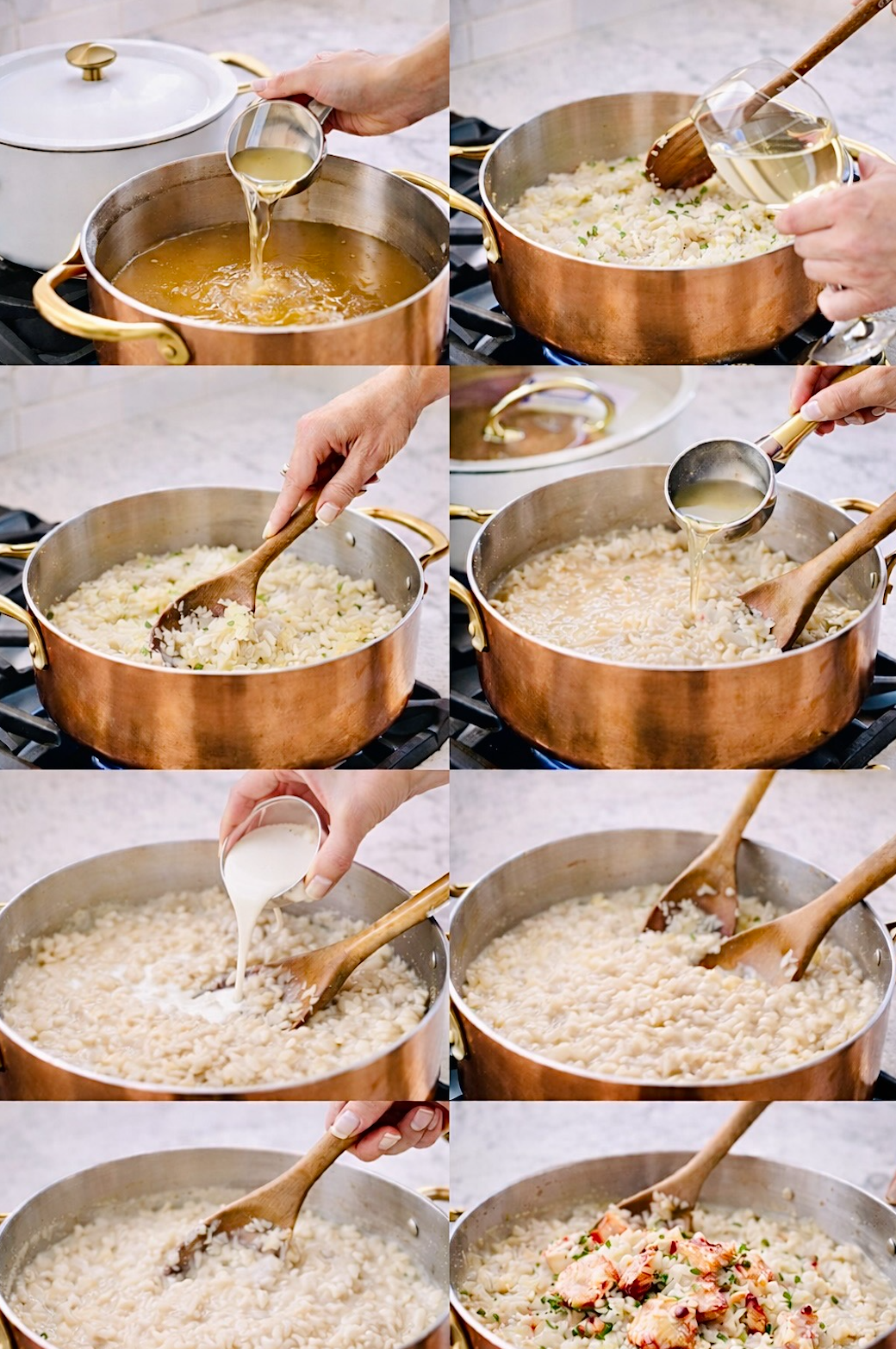
The cooking process follows a steady pattern: soften the onions, toast the rice, then build the risotto gradually with warm stock. You'll be stirring often, adjusting heat so the rice simmers instead of boiling.
Once the rice is tender with a slight bite, the risotto is finished with butter, cream, cheese, and lobster meat. It should look glossy and loose, not stiff or soupy.
Timing & planning notes
Plan to stay nearby for most of the cooking time. Risotto doesn't need constant stirring, but it does need your attention.
Serve it right away. Risotto continues to thicken as it sits, and it's at its best in the first few minutes after finishing.
Let's get to cookin'
Warm the stock
Heat the lobster stock over low heat and keep it warm so it doesn't slow the cooking once added to the rice.
Build the base
Melt half the butter with the olive oil, add the onions, and cook until soft and translucent, seasoning lightly with salt.
Deglaze and toast
Add the white wine and let it reduce, then stir in the rice until the grains are coated and slightly translucent at the edges.
Cook the risotto
Add warm stock a cup at a time, stirring frequently and letting each addition absorb before adding the next, until the rice is tender with a slight firmness in the center.
Finish and serve
Stir in the remaining butter, cream, Parmesan, and half the lobster meat until glossy, then spoon into warm bowls and top with reserved lobster and chives.
The Process
Chef's tips for lobster risotto
Pay attention to sound. The risotto quiets down as liquid absorbs. That's your cue.
Keep the stock hot. Cold stock interrupts starch release and affects texture.
Stop just short. Risotto tightens as it sits, even for a minute or two.
Taste for salt at the end. Stock and cheese both bring salt, so adjust last.
Troubleshooting
Risotto is thick and stiff: Too much liquid cooked off; stir in a splash of warm stock.
Rice is crunchy inside: Heat was too high; lower it and keep cooking gently.
Flavor feels flat: It likely needs more salt or a bit more Parmesan.
What to serve it with
Shrimp Scampi
Grilled Swordfish
Citrus Salmon
Roasted Branzino
Make ahead & freezing
Risotto is best cooked and served the same day. If you need a head start, cook it about three-quarters of the way, spread it out to cool, then finish with stock and butter just before serving.
Freezing works in a pinch, but expect some texture loss. Cool completely, freeze up to one month, then reheat gently with added stock.
FAQs
Can I use frozen lobster meat?
Yes, as long as it's fully thawed and gently warmed at the end.
Can I skip the cream?
You can, though the final texture will be slightly less rounded.
Does risotto need constant stirring?
No, but it does need frequent attention and regular stirring.
Leftovers & storage
Store leftovers in an airtight container in the refrigerator for up to two days. Reheat slowly on the stovetop with a splash of stock or water, stirring often.
Stick around for seconds!
If this is your kind of cooking, there's plenty more where it came from.
Tried it?
Leave a rating or a quick note if you made it. I always appreciate hearing how it went.
Creamy Lobster Risotto
Ingredients
- ½ cup salted butter divided
- ¼ cup extra-virgin olive oil
- 2 medium onions finely chopped
- ½ teaspoon Kosher salt to taste
- ½ cup dry white wine
- 2 cups Arborio Rice or other short grain rice
- 2 tablespoons Better than Bouillon Lobster Base or 6 cups seafood stock
- 6 cups water kept warm
- 2 cooked lobster tails chopped, reserving about half the meat for topping
- ½ cup heavy cream
- ½ cup Parmesan cheese finely grated
- ¼ teaspoon Freshly ground black pepper to taste
- 2 tablespoons fresh chives minced

Instructions
Prepare the Stock
- In a medium sauce pan, heat the water and stir in lobster base until dissolved.2 tablespoons Better than Bouillon Lobster Base, 6 cups water
- Keep warm throughout cooking.
Cook the Risotto Base
- In a large, wide Dutch oven or sauce pan, melt ¼ cup of the salted butter with the olive oil over medium-high heat.½ cup salted butter, ¼ cup extra-virgin olive oil
- Add the onions and cook, stirring, until soft and translucent, about 4 minutes.2 medium onions
- Season lightly with salt.½ teaspoon Kosher salt
- Add the white wine and cook, stirring and scraping the bottom of the pan, until mostly evaporated, about 2 minutes.½ cup dry white wine
- Add the rice and cook, stirring constantly, until the grains are well coated and lightly translucent at the edges, about 2 minutes.2 cups Arborio Rice
Add Stock and Cook Risotto
- Add about 1 cup of warm lobster stock to the rice.
- Cook at a steady simmer, stirring frequently, until the liquid is mostly absorbed.
- Continue adding stock, about 1 cup at a time, allowing each addition to be mostly absorbed before adding the next.
- Stir often and adjust heat as needed to maintain a gentle simmer.
- Cook until the rice is tender but still slightly firm in the center and the mixture is creamy, 20 to 25 minutes total.
Finish the Risotto
- Stir in the cream and remaining ¼ cup salted butter until fully incorporated and glossy.½ cup heavy cream
- Add the Parmesan cheese, salt, and black pepper, stirring until melted and smooth.½ cup Parmesan cheese , ¼ teaspoon Freshly ground black pepper
- Fold in half of the chopped lobster meat.2 cooked lobster tails
- Taste and adjust seasoning as needed.
- The finished risotto should be loose and creamy, flowing slightly when spooned, not stiff or soupy.
Serve
- Spoon the risotto into warm bowls.
- Top each serving with the reserved lobster meat, including any accumulated juices.
- Sprinkle with chives.2 tablespoons fresh chives
- Serve immediately.
Notes
- Shrimp or crab meat may be substituted for lobster.
- Seafood or Chicken stock can replace lobster stock, though the flavor will be less rich.
- Half-and-half may be used in place of heavy cream for a lighter finish.
- Serve as a main course with a simple green salad and crusty bread, or as a decadent side to grilled steaks.
- Pairs well with dry white wines such as Sauvignon Blanc, Pinot Grigio, or Chablis.
- Store leftovers in an airtight container in the refrigerator for up to 2 days.
- Reheat gently on the stovetop with a splash of stock or water, stirring frequently.
- Risotto is best enjoyed fresh but may be frozen for up to 1 month.
- Cool completely before freezing. Thaw overnight in the refrigerator and reheat gently.
Nutrition
*Nutrition information is automatically calculated based on ingredient data and should be considered an estimate. When multiple ingredient options are provided, the first listed is used for calculation. Optional ingredients and garnishes are not included in the nutrition analysis.





Comments
No Comments