

Cheesecake isn't usually something I decide to make on a whim. It's typically chosen early in the week, when I'm scanning the calendar and realizing dessert needs to be a little extra special this time. A birthday. A holiday table. A dinner where everyone's already eaten well and expects something exceptional at the end.
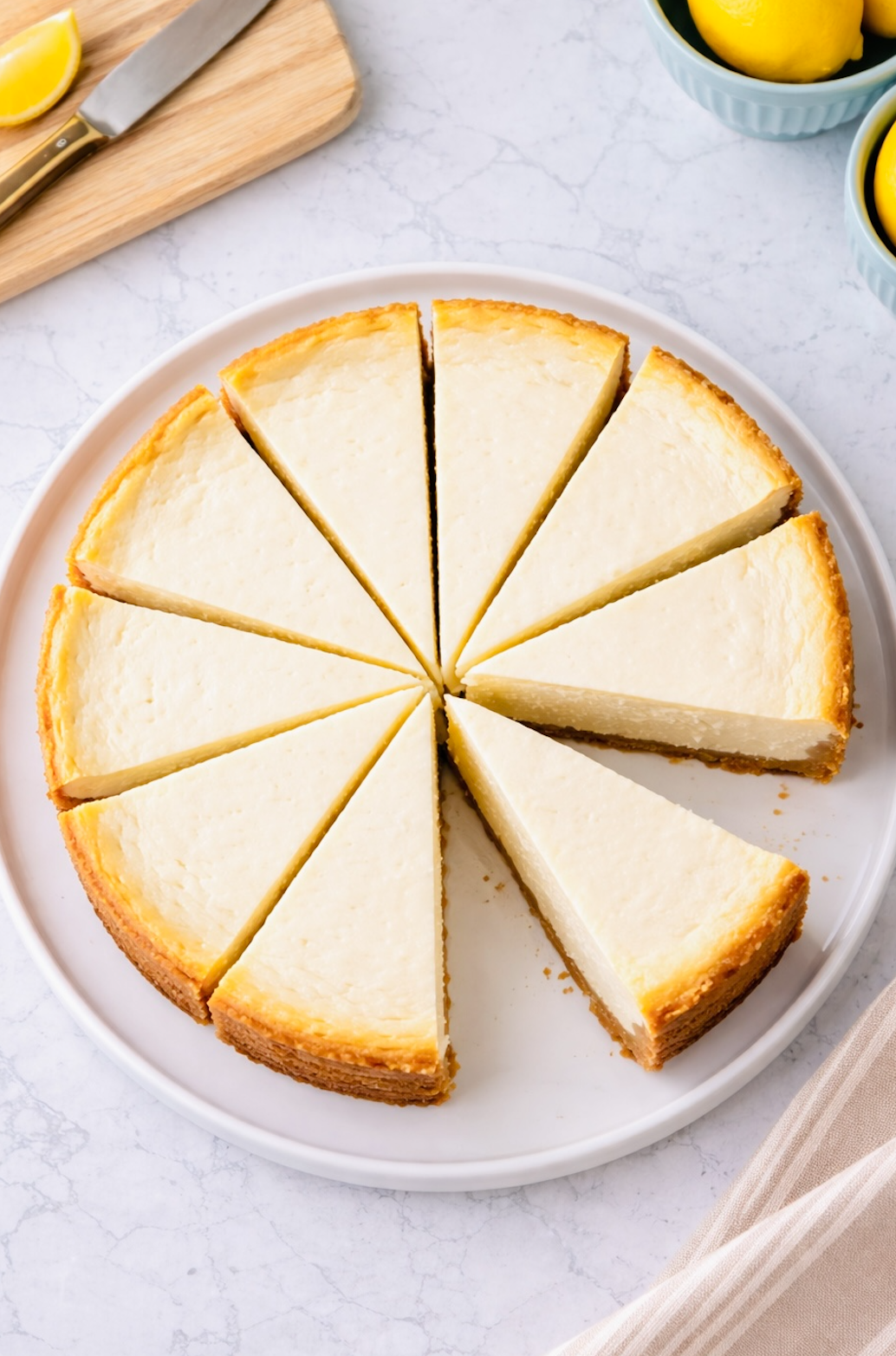
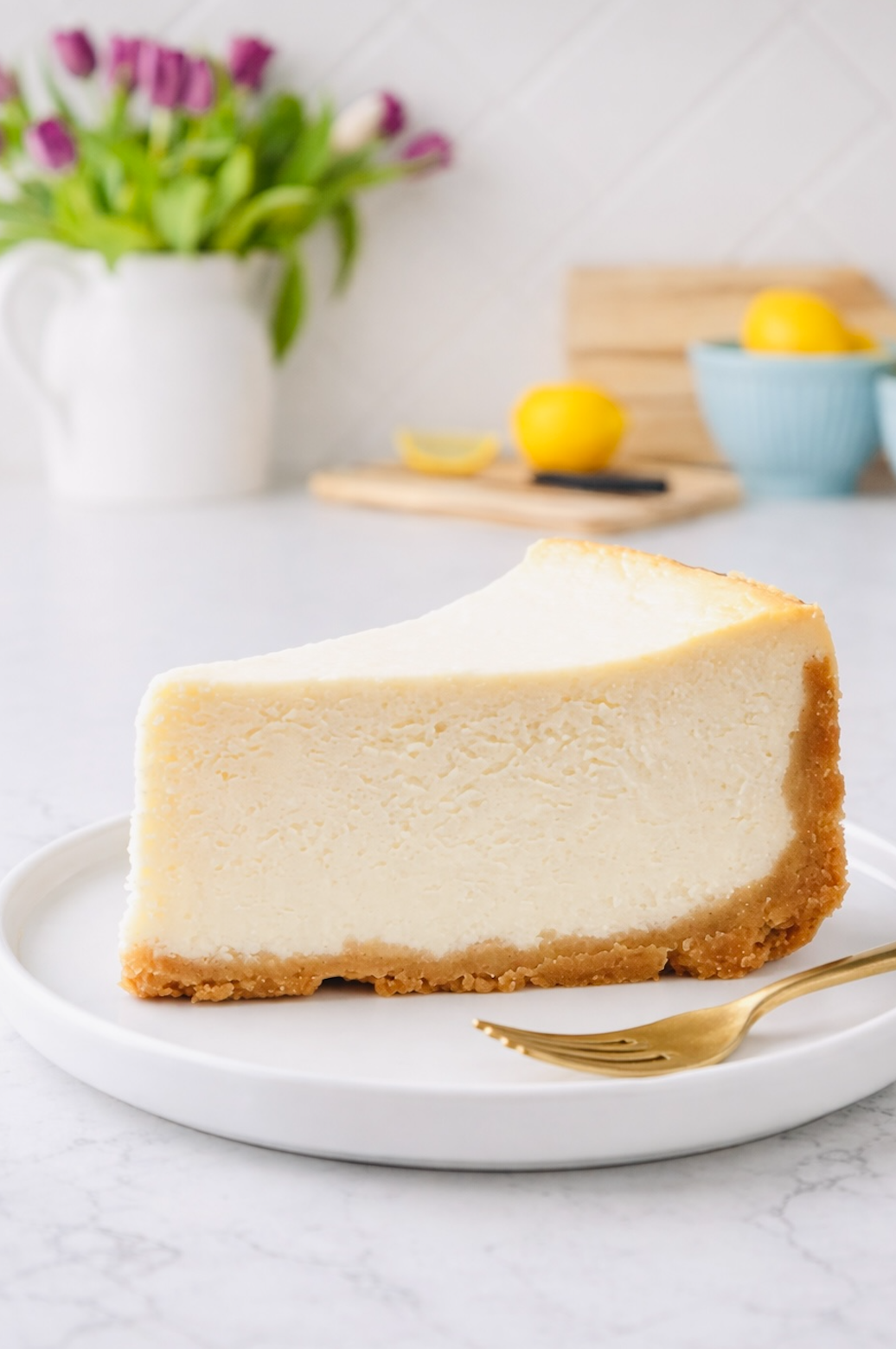
I've made enough versions over the years to know that this recipe is the one that works time after time. It's dense, smooth, and slices clean after an overnight chill. The graham cracker crust stays crisp, the filling doesn't collapse, and the flavor stays squarely in the middle where a classic cheesecake should be.
What matters most here is restraint. The batter is mixed just until it comes together, and the cheesecake is allowed to cool slowly instead of being rushed. Those choices do more for the final texture than any shortcut or add-in ever has.
This is the cheesecake I rely on for holidays, birthdays, and special occasion dinners - the one I know will still look right when it's time to serve. It works plain or topped, and it doesn't need much help.
This post may contain affiliate links. I may receive commissions for purchases made through links in this post.
The roots of this recipe
Cheesecake is a baked custard dessert made with soft cheese, eggs, and sugar, with roots that trace back to ancient Greece.
Modern American cheesecake took shape in the late 1800s after cream cheese was developed in New York State. By the early 20th century, it became closely associated with New York-style cheesecake, especially after recipes appeared in publications like The New York Times and Junior's Restaurant popularized a tall, dense version.
The addition of sour cream became common mid-century as home refrigeration improved and bakers looked for ways to soften texture and balance sweetness. Graham cracker crusts gained popularity after boxed graham crackers became widely available in the 1930s.
Today's classic cheesecake recipes reflect those developments: cream cheese for structure, sour cream for tenderness, and a crumb crust that contrasts with the creamy filling.
The Gist
Cook time: 50-60 minutes | Total time: About 8½ hours
Yield: Serves 12
Skill level: Intermediate
Best for: Holidays, special occasions, make-ahead desserts
Make-ahead friendly: Yes
Dietary notes: Vegetarian
What you'll learn: How controlled steam and slow cooling prevent cracks and ensure a creamy texture
You Might Also Like
Why you'll love it
The cheesecake filling bakes up smooth and dense without feeling heavy.
The graham cracker crust stays crisp and holds together when sliced.
It's a dependable make-ahead dessert that actually improves overnight.
The method minimizes cracking without the hassle of a traditional water bath.
It works equally well served plain or topped with chocolate ganache or strawberry sauce.
Kitchen Equipment
 Buy Now →
  Buy Now →
  Buy Now →
  Buy Now →
Shop my kitchen favorites
Visit my Amazon Store for the tools and staples I use most often.
Ingredients You'll Need
 Buy Now →
  Buy Now →
  Buy Now →
  Buy Now →
  Buy Now →
  Buy Now →
  Buy Now →
  Buy Now →
  Buy Now →
  Buy Now →
 Ingredient notes
Full-fat cream cheese provides structure and prevents a loose filling.
Sour cream softens the texture and balances sweetness without thinning the batter.
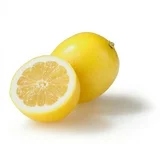
Lemon juice doesn't make the cheesecake taste lemony; it brightens the filling.
Graham cracker crumbs should be fine and evenly mixed with butter to avoid dry spots.
Substitutions
Digestive biscuits or vanilla wafers can replace graham crackers, though the flavor will shift slightly.
Full-fat Greek yogurt can substitute for sour cream, but the texture will be a touch firmer.
All granulated sugar may be used in the crust if brown sugar isn't on hand.
How to make
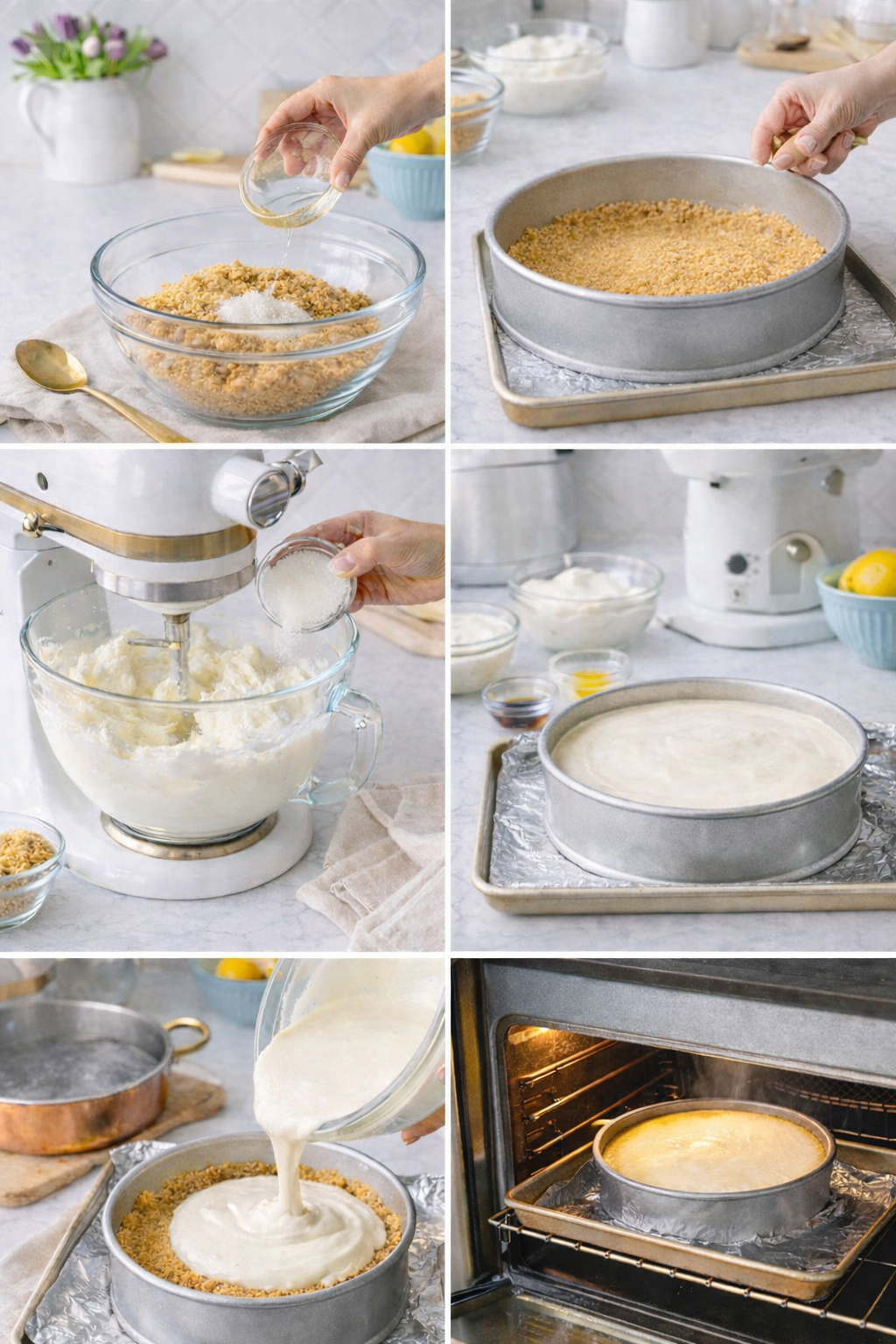
This cheesecake comes together in stages: a quick crust, a gently mixed filling, a slow bake with steam, and a long, patient cool. Nothing is complicated, but timing matters, especially once the cheesecake goes into the oven.
The goal is even heat and gradual temperature changes. That's what keeps the top of the cheesecake smooth and the interior creamy instead of grainy.
Timing & planning notes
Plan to make this cheesecake at least one day before serving. The overnight chill is not optional if you want clean slices and full flavor.
Active time is limited, but cooling and chilling take several hours. This is a good recipe for a day when you're already home and can let the oven and refrigerator do the work.
Let's get to cookin'
Preheat the oven
Set the oven to 325°F and position a rack in the center.
Make the graham cracker crust
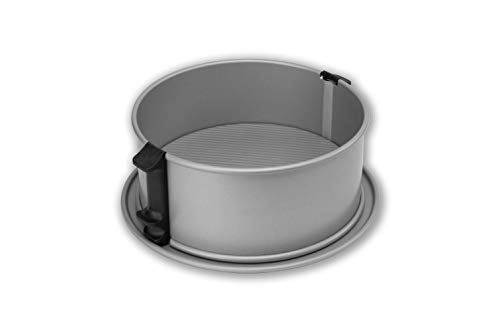
Mix graham cracker crumbs, sugars, salt, and melted butter until evenly moistened, then press firmly into the bottom and slightly up the sides of a springform pan.
Mix the cheesecake filling
Beat the cream cheese until smooth, then mix in sugar, sour cream, vanilla, lemon juice, and salt until glossy and uniform.
Add the eggs
Mix in the eggs one at a time on low speed, stopping as soon as the batter comes together.
Prepare the steam bath
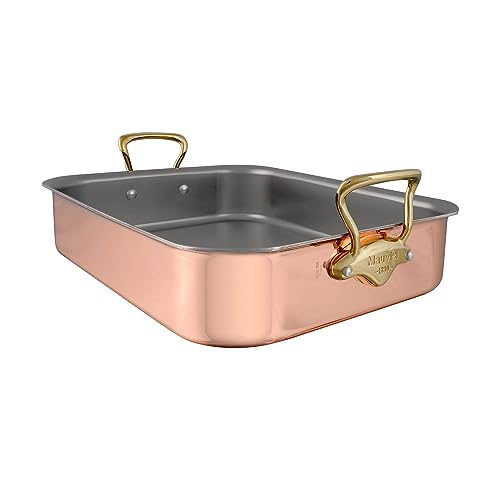
Bring water to a boil and place a large metal pan on the bottom oven rack.
Bake the cheesecake
Pour the filling into the crust, place the cheesecake on the center rack, add boiling water to the lower pan, and bake until the edges are set and the center still jiggles slightly.
Cool gradually
Turn off the oven, crack the door open, and let the cheesecake cool inside for one hour before moving it to the counter.
Chill before serving
Refrigerate for at least six hours, preferably overnight, before removing the springform ring.
The Process
Chef's tips for classic cheesecake
Mix low and slow
Overmixing adds air, which leads to cracks and uneven baking.
Watch the center
A slight jiggle means the custard is set but still creamy.
Respect the cool down
Sudden temperature change is the fastest way to split the top of the cheesecake.
Use steam, not soaking
The pan of water creates a gentle baking environment without risking leaks.
Troubleshooting
Cracks on top: Usually caused by overbaking or cooling too quickly; pull the cheesecake sooner and cool more gradually.
Dense or dry texture: Often from overmixing or baking until the center is fully firm.
Soggy crust: Too much butter or insufficient pressing can cause moisture seepage.
Make ahead & freezing
This cheesecake is ideal for making ahead. Once fully chilled, it can be held in the refrigerator for up to five days.
For freezing, wrap the whole cheesecake or individual slices tightly in plastic wrap, then foil. Freeze for up to two months and thaw overnight in the refrigerator.
FAQs
Can I make this without sour cream?
Yes, full-fat Greek yogurt works, but the texture will be slightly firmer.
Why is my cheesecake still jiggly after baking?
The center should jiggle; it will continue to set as it cools.
Do I need a traditional water bath?
No. The steam method provides moisture without submerging the pan.
Leftovers & storage
Store covered in the refrigerator for up to five days. Cheesecake is best served cold and does not need reheating.
Stick around for seconds!
There are plenty more desserts worth lingering over around here, especially the ones that hold up just as well the next day.
Tried it?
If you made this cheesecake, I'd love to hear how it turned out and how you served it.
Classic Cheesecake
Ingredients
Graham Cracker Crust
- 1 ½ cups graham cracker crumbs
- 2 tablespoons granulated sugar
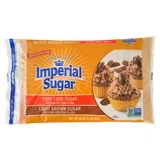
- 1 tablespoon brown sugar
- ¼ teaspoon kosher salt
- 8 tablespoons salted butter melted
Cheesecake Filling
- 4 (8-ounce) blocks cream cheese softened to room temperature
- 1 cup granulated sugar
- 1 cup sour cream room temperature
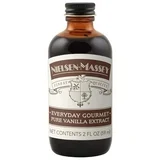
- 2 teaspoons vanilla extract
- 2 teaspoons fresh lemon juice
- ¼ teaspoon kosher salt
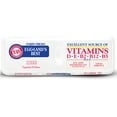
- 4 large eggs room temperature, lightly beaten

Instructions
Oven Preparation
- Preheat oven to 325°F.
- Position a rack in the center of the oven.
Graham Cracker Crust
- Combine graham cracker crumbs, granulated sugar, brown sugar, and salt in a mixing bowl.1 ½ cups graham cracker crumbs, 2 tablespoons granulated sugar, 1 tablespoon brown sugar, ¼ teaspoon kosher salt
- Add melted butter and mix with a fork until evenly moistened.8 tablespoons salted butter
- Press the mixture firmly into the bottom and slightly up the sides of a 9-inch springform pan.
- Set aside while preparing the filling.
Cheesecake Filling
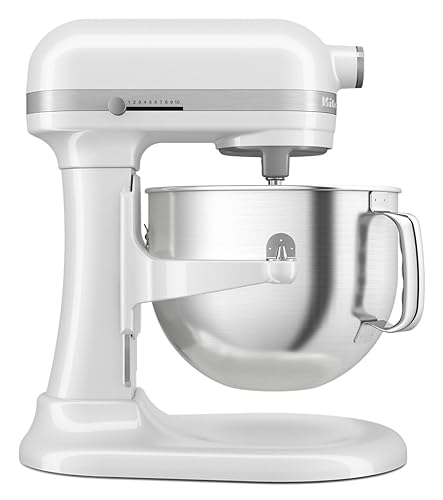
- In a stand mixer fitted with the paddle attachment, or using a hand mixer, beat the cream cheese on low to medium speed until smooth and creamy. Avoid over mixing.4 (8-ounce) blocks cream cheese
- Add sugar and mix until fully incorporated and smooth.1 cup granulated sugar
- Add sour cream, vanilla extract, lemon juice, and salt. Mix until combined, scraping down the sides and bottom of the bowl as needed.1 cup sour cream, 2 teaspoons vanilla extract, 2 teaspoons fresh lemon juice, ¼ teaspoon kosher salt
- With the mixer on low speed, add the eggs one at a time, mixing just until each egg is incorporated.4 large eggs
- Scrape the bowl once more and gently mix to ensure a uniform batter.
Baking
- Bring a pot of water to a full boil. You will need enough water to fill a large metal roasting or baking pan to a depth of about 1 inch.
- Pour the cheesecake batter into the prepared crust.
- Place the springform pan on a foil-lined baking sheet to catch any potential leaks.
- Place the cheesecake on the center rack of the preheated oven.
- Set a large metal baking or roasting pan on the bottom oven rack. Do not use glass.
- Carefully pour the boiling water into the empty pan on the bottom rack until it reaches about 1 inch deep, then immediately close the oven door to trap the steam.
- Bake at 325°F for 50-60 minutes, until the edges are set and lightly puffed and the center still has a slight jiggle.
- If you notice the cheesecake browning too quickly on top, tent it with aluminum foil halfway through baking.
- Avoid over baking; the cheesecake should not be fully firm in the center.
Cooling
- Turn the oven off and crack the oven door open slightly.
- Leave the cheesecake in the oven for 1 hour to cool gradually.
- Remove from the oven and allow to cool at room temperature until completely cool.
- Cover and transfer to the refrigerator and chill for at least 6 hours, preferably overnight.
- Remove the springform ring just before serving.
Notes
- Graham cracker crumbs can be replaced with digestive biscuit crumbs or vanilla wafer crumbs.
- Sour cream may be substituted with full-fat Greek yogurt.
- Brown sugar can be replaced with additional granulated sugar.
- Top with thick chocolate ganache for any chocolate lovers.
- Serve plain or with fresh berries, fruit compote, or light fruit sauce.
- Pairs well with coffee, espresso, or lightly sweet dessert wines.
- Store covered in the refrigerator for up to 5 days.
- Cheesecake can be frozen whole or in slices.
- Wrap tightly in plastic wrap, then foil, and freeze for up to 2 months.
- Thaw overnight in the refrigerator before serving.
Nutrition
*Nutrition information is automatically calculated based on ingredient data and should be considered an estimate. When multiple ingredient options are provided, the first listed is used for calculation. Optional ingredients and garnishes are not included in the nutrition analysis.



Comments
No Comments