

Once the weather turns even a little cool, this tomato soup starts making repeat appearances in my kitchen.
I tend to fall into a rhythm with it in the winter months, especially at lunchtime. A bowl of hot soup, a buttery grilled cheese, and suddenly the day feels more manageable. I'll make a pot and reheat it day after day, and somehow it never wears out its welcome. My husband gives me a hard time about it, wandering into the kitchen and asking, "Let me guess-tomato soup and grilled cheese?" It's a fair question at this point.
Part of my fondness comes from years of ordering tomato basil soup at La Madeleine whenever I was nearby. When I was working in Houston, it was a regular lunch stop, and that soup showed up often. It was smooth, creamy, and comforting in a way that didn't slow you down, which mattered on busy workdays.
Making tomato soup at home can get tricky once cream enters the picture. Too much heat and it can separate. Rush the vegetables and the flavor never quite settles in. The fix is simple but specific: let the onion and celery soften slowly, simmer the tomatoes just long enough to round off their sharp acidic edge, and add the cream only after the soup has been blended. I always blend before adding dairy, and I keep the heat low once the cream goes in.
This Tomato Soup comes out smooth and rich without feeling heavy. It reheats well, goes perfectly with grilled cheese, and fits easily into a winter routine.
This post may contain affiliate links. I may receive commissions for purchases made through links in this post.
The Roots of This Recipe
Tomato soup is a staple of American cooking, rooted in the widespread use of canned tomatoes in the early twentieth century.
Canned tomato products became more common in U.S. kitchens after 1900, making tomato-based soups accessible year-round rather than seasonal. One of the earliest commercially popular versions was Campbell's condensed tomato soup, introduced in 1897, which helped cement tomato soup as a lunchtime standard.
By the mid-1900s, tomato soup regularly appeared in diners, cafeterias, and home kitchens, often paired with grilled cheese as an affordable, filling meal. Creamy versions became more common as refrigeration improved and dairy became easier to store.
Over time, home cooks adapted the soup using crushed tomatoes, chicken broth, and fresh herbs, adjusting texture with immersion blenders and food processors as those tools became standard kitchen equipment.
The Gist
Cook time: 30 minutes | Total time: 45 minutes
Yield: Serves 8
Skill level: Easy
Best for: Winter lunches, weeknight dinners, soup-and-sandwich meals
Make-ahead friendly: Yes
Dietary notes: Gluten-free
What you'll learn: How timing, blending, and gentle heat create a creamy texture without separation
You Might Also Like
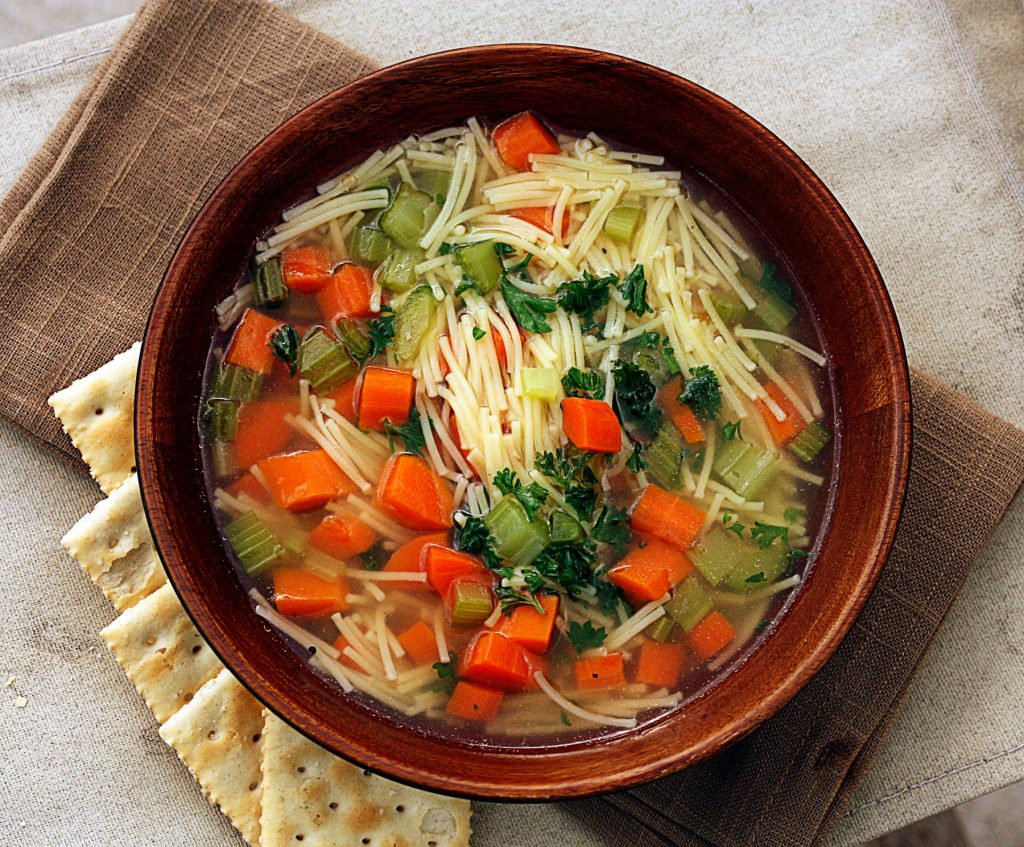


Why you'll love it
The tomato flavor stays front and center without tasting sharp or overly sweet.
The texture is smooth and cohesive, even after reheating.
It fits neatly into a lunch routine and stretches across several meals.
It pairs naturally with grilled cheese without overpowering it.
It holds its structure instead of thinning out or breaking the next day.
Kitchen Equipment
 Buy Now →
  Buy Now →
  Buy Now →
  Buy Now →
  Buy Now →
Shop my kitchen favorites
Visit my Amazon Store for the tools and staples I use most often.
Ingredients You'll Need
 Buy Now →
  Buy Now →
  Buy Now →
  Buy Now →
  Buy Now →
  Buy Now →
  Buy Now →
  Buy Now →
  Buy Now →
 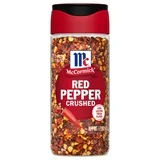 Buy Now →
 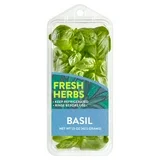 Buy Now →
 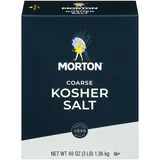 Buy Now →
 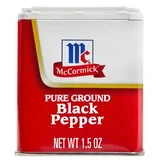 Buy Now →
 Ingredient notes
Crushed tomatoes blend more smoothly than whole tomatoes and break down faster.
San Marzano tomatoes give a balanced tomato flavor without needing tomato paste.
Fresh basil adds lift at the end without turning the soup herbal.
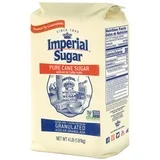
A small amount of sugar rounds out acidity rather than sweetening the soup.
Substitutions
Vegetable stock works well if you want to keep the soup meat-free, with a lighter finish.
Half-and-half can replace heavy cream, though the soup will lose some richness.
Dried basil can stand in for fresh, but the flavor will be softer and less aromatic.
How to make
This soup starts with a slow sauté that builds flavor before the tomatoes ever hit the pot. Once the tomatoes and chicken stock are added, the soup simmers briefly to mellow the acidity. Blending sets the final texture, and the cream goes in last so it warms through without breaking.
Timing & planning notes
Once the vegetables are chopped, the soup moves quickly. It can sit warm for a short stretch before serving and actually settles in nicely if you're making it ahead for lunch the next day.
Let's get to cookin'
Sauté the aromatics
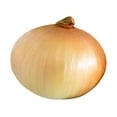
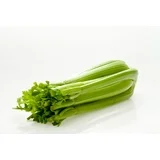
Cook the onion and celery in butter and olive oil until soft and lightly golden, then add the garlic and cook just until fragrant.
Simmer the soup
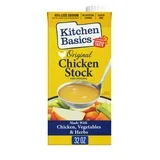
Add the crushed tomatoes, chicken stock, basil, sugar, red pepper flakes, and black pepper, then bring to a gentle simmer.
Blend the soup
Use an immersion blender to blend until smooth, or leave some texture if you prefer a more rustic bowl.
Finish with cream
Stir in the heavy cream, adjust seasoning, and warm gently without letting the soup boil.
The Process

Chef's tips for Tomato Soup
Low heat matters once cream is added to prevent separation.
Blend before dairy for the smoothest texture.
Taste after blending since acidity shows up differently once the soup is smooth.
Stop blending early if you prefer a softer, spoonable texture.
Troubleshooting
Soup tastes sharp: The tomatoes need balance; add a small pinch of sugar and simmer briefly.
Soup separates: The heat was too high after adding cream; lower it and stir gently.
Soup feels thin: Blend longer or simmer uncovered for a few minutes.
What to serve it with
Buttery Grilled Cheese is a must in my book!
Homemade Garlic Bread
Make ahead & freezing
This soup can be made a day ahead and refrigerated. For freezing, leave out the cream, cool completely, and freeze. Add the cream after reheating gently over low heat.
FAQs
Can this be made dairy-free?
Yes. Use olive oil instead of butter and skip the cream.
Is blending required?
No. The soup can be left chunky if that's your preference.
Can I use whole tomatoes instead of canned?
Yes, but they'll need more blending to smooth out.
Leftovers & storage
Store leftovers in an airtight container in the refrigerator for up to four days.
Reheat slowly over low heat, stirring occasionally.
Stick around for seconds!
If soup season has you cooking in batches, there's plenty more to browse in the soups, stews, and chili category.
Tried it?
If you make this one, I'd love to hear how it turned out or how often it shows up in your lunch rotation.
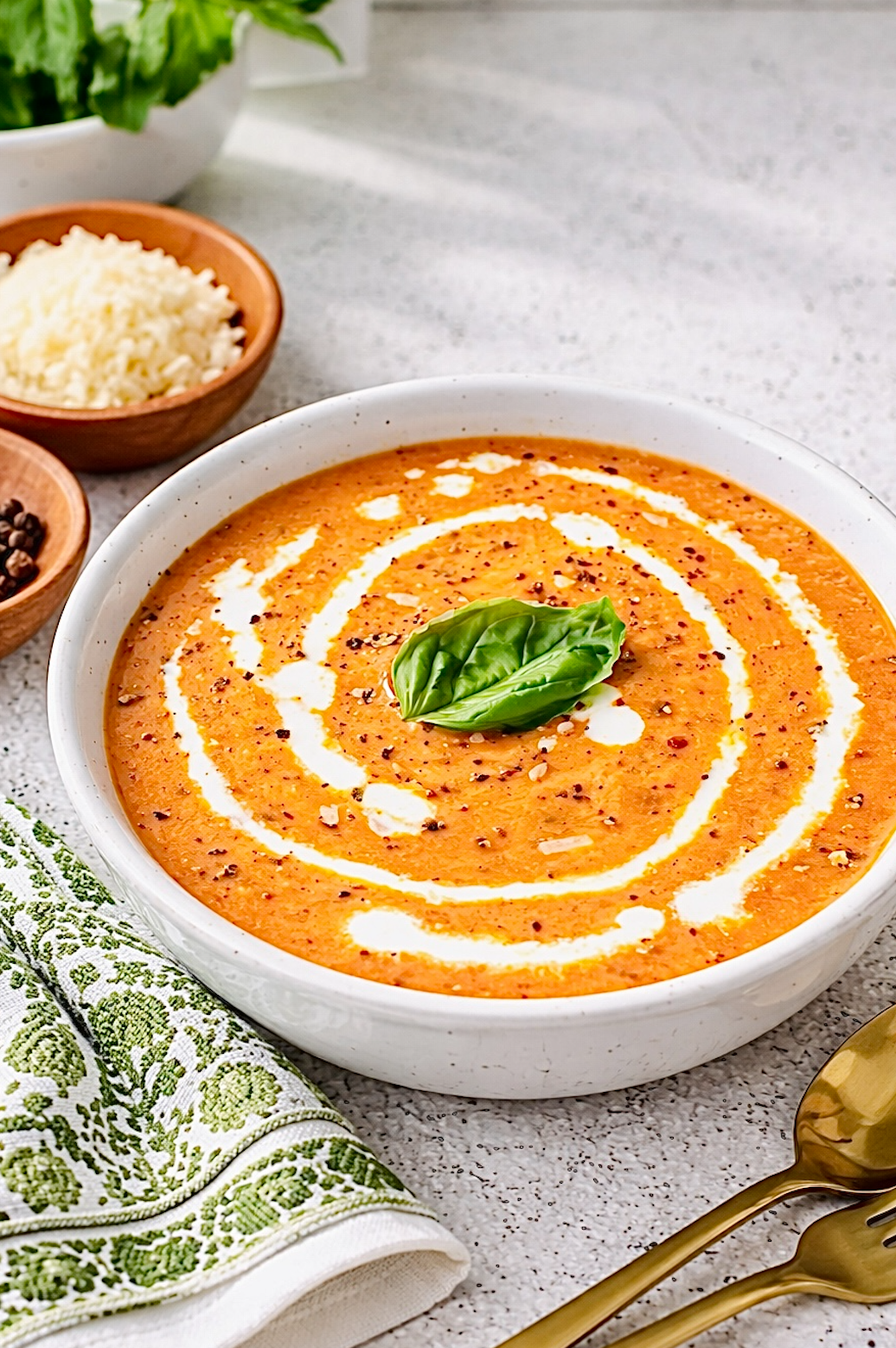
Creamy Tomato Soup

A smooth, creamy tomato soup with fresh basil that reheats well and fits easily into winter lunches and soup-and-sandwich dinners.
- Prep Time: 15 minutes
- Cook Time: 30 minutes
- Total Time: 45 minutes
- Yield: 8 1x
- Category: Main Dish
- Cuisine: American
Ingredients
- 3 tablespoons salted butter
- 2 tablespoons extra-virgin olive oil
- 1 medium onion (finely diced)
- 2 celery stalks (finely diced)
- 3 cloves garlic (minced)
- 2 (28-ounce) cans San Marzano crushed tomatoes, with juice
- 2 cups chicken stock
- ⅔ cup heavy cream
- 1 ½ tablespoons granulated sugar (to taste)
- ⅛ teaspoon crushed red pepper flakes (to taste)
- ¼ cup fresh basil (thinly sliced, plus more for serving if desired)
- ½ teaspoon kosher salt (to taste)
- ¼ teaspoon freshly ground black pepper (to taste)
Instructions
Sauté the Aromatics
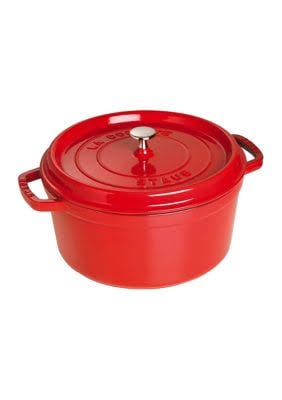
- Heat a nonreactive pot or enameled Dutch oven over medium heat.
Add butter and olive oil.
- Add the diced onion and celery.
- Cook, stirring occasionally, until softened and lightly golden, about 10-12 minutes.
- Add the garlic and cook until fragrant, about 30 seconds.
Simmer the Soup
- Add the crushed tomatoes with their juice, chicken stock, basil, sugar, crushed red pepper, and black pepper.
- Stir to combine.
- Bring to a gentle boil.
- Reduce heat to low, partially cover, and simmer for 10 minutes.
Blend (Optional)
- For a chunky soup, proceed without blending.
- For a smooth soup, use an immersion blender to blend directly in the pot until the desired consistency is reached.
- * Alternatively, carefully transfer soup to a blender in batches and blend until smooth, then return to the pot.
Finish with Cream
- Return the soup to medium heat.
- Stir in the heavy cream.
- Bring to a gentle simmer.
- Season with salt and additional pepper to taste.
- Remove from heat.
Serve
- Ladle into warm bowls.
- Garnish with additional basil, if desired.
Slow Cooker Instructions (using Drew Barrymore "Beautiful" 10-in-1 Electric Multi-Cooker)
- Select the Sauté function and heat butter and olive oil.
- Add onion and celery; cook until softened, about 8-10 minutes.
- Add garlic and cook 30 seconds.
- Add tomatoes, chicken stock, basil, sugar, crushed red pepper, and black pepper.
- Switch to Slow Cook - Low, cover, and cook for 4-5 hours or High for 2-3 hours.
- Blend if desired using an immersion blender.
- Stir in heavy cream during the last 15 minutes of cooking.
- Season with salt and pepper to taste before serving.
Notes
* IMPORTANT: If using countertop blender
• When using a regular blender with hot soup, steam is the real danger. Always blend in small batches-never more than halfway full.
• Before blending, pop out the center cap, cover the lid with a folded towel, and start on low speed with one hand covering the hole with the folded towel and holding the lid in place. (If you do not do this, the soup will burst out of the hole, likely burning you.)
• Give the soup a moment to settle before pouring, and use a towel or oven mitt if the jar is still hot.
Substitutions
• Use vegetable stock instead of chicken stock and coconut cream instead of heavy cream for a vegetarian version.
• Half-and-half may be substituted for heavy cream for a lighter soup.
• Unsalted butter may be used; adjust salt accordingly.
• Dried basil may be used in place of fresh (use 1 tablespoon).
Serving Suggestions & Pairings
• Serve with grilled cheese, toasted sourdough, or garlic bread.
• Pair with a simple green salad or roasted vegetables.
• Finish with grated Parmesan or a drizzle of olive oil if desired.
Storage
• Refrigerate in an airtight container for up to 4 days.
Freezing
• Freeze without the cream for best texture.
• Cool completely, then freeze for up to 3 months.
• Thaw overnight in the refrigerator, reheat gently, and add cream before serving.
Nutrition
- Calories: 174
- Sugar: 4
- Sodium: 273
- Fat: 16
- Saturated Fat: 8
- Carbohydrates: 7
- Fiber: 0.3
- Protein: 2
- Cholesterol: 35






Comments
No Comments