 Buy Now →
Southern Caramel Cake
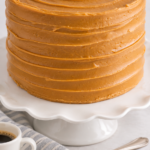
Southern caramel cake stacks three tender sour cream vanilla layers with slow-cooked caramel icing made from evaporated milk, salted butter, sugar, and vanilla.
- Prep Time: 30 minutes
- Cook Time: 2 hours 25 minutes
- Total Time: 4 hours 30 minutes
- Yield: 16 servings 1x
- Category: Dessert
- Method: Baking
- Cuisine: Southern
Ingredients
Units
Scale
For the Cake
- 1/2 cup salted butter, softened
- 1/2 cup vegetable oil
- 1 1/2 cups granulated sugar
- 2 large eggs, at room temperature
- 2 large egg yolks, at room temperature
- 1 tablespoon pure vanilla extract
- 2 3/4 cups cake flour
- 1 1/2 teaspoons baking powder
- 1 teaspoon kosher salt
- 1/2 teaspoon baking soda
- 1 1/4 cups sour cream, at room temperature
- 1/3 cup heavy whipping cream, at room temperature
For the Caramel Icing
- 3/4 cup salted butter
- 2 (12-ounce) cans evaporated milk
- 2 cups granulated sugar
- 2 teaspoons pure vanilla extract
Instructions
Prep
- Heat the oven to 325°F. Grease three 9-inch round cake pans, line the bottoms with parchment paper, and lightly flour the sides.
- Sift the cake flour, baking powder, kosher salt, and baking soda into a bowl.
- In a separate bowl, stir the sour cream and heavy cream together until smooth.
Mix and Bake
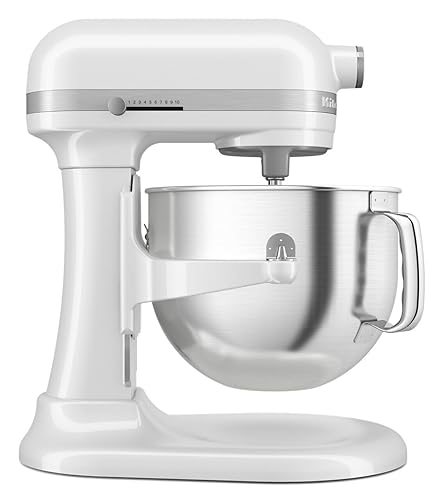
- Fit a stand mixer with the paddle attachment. Beat the butter and oil on medium-high speed for about 2 minutes, scraping the bowl as needed.
- Gradually add the sugar, then beat for 4–5 minutes, until the mixture looks lighter in color and fluffy.
- Reduce the speed to medium. Add the whole eggs and then the yolks, one at a time, mixing after each addition. Scrape the bowl and paddle, then mix in the vanilla.
- On low speed, add the flour mixture in three portions, alternating with the sour cream mixture in two portions. Begin and end with the flour mixture. Stop mixing as soon as the batter comes together.
- Fold the batter a few times with a flexible rubber spatula, checking the bottom of the bowl for unmixed ingredients. Divide evenly among the pans and smooth the tops.
- Bake for 17–24 minutes, checking beginning at 17 minutes. The centers should spring back lightly, and a toothpick should come out without wet batter; a few moist crumbs are fine.
- Leave the cakes in their pans for 10–15 minutes. Turn them out onto wire racks, remove the parchment, and cool completely.
Cook the Caramel Icing
- Combine the butter, evaporated milk, and sugar in a large, heavy-bottomed saucepan. Warm over medium-low heat, stirring until the butter melts and the sugar dissolves.
- Maintain a gentle simmer for approximately 1½–2 hours. Stir frequently, scraping the bottom and corners of the pan; stir nearly continuously as the mixture thickens. Lower the heat if it begins sticking or browning too quickly.
- Continue cooking until the icing is golden brown and coats the back of a spoon heavily. A small spoonful cooled on a plate should thicken to a spreadable consistency rather than remain runny. Use these cues along with the cooking time.
- Remove the pan from the heat and carefully stir in the vanilla.
- Let the icing cool for 15–20 minutes, stirring occasionally. It should spread easily while holding its shape. Allow additional cooling time if it still runs off the spatula.
Assemble
- Secure the first cooled cake layer to a serving plate with a small dab of icing.
- Spread about one-fourth of the icing across the layer. Wait 5 minutes before placing the second cake layer on top.
- Cover the second layer with another one-fourth of the icing. Allow it to settle for 5 minutes, then add the final layer.
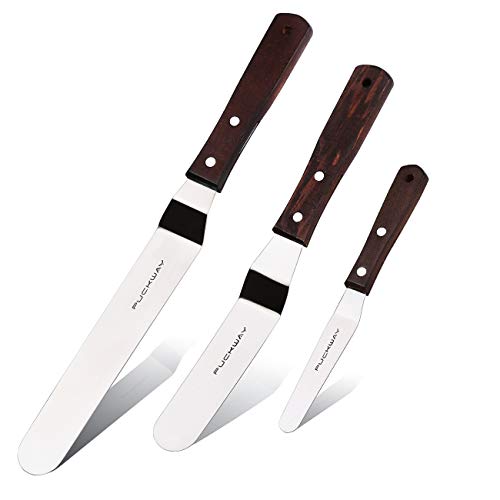
- Spread the remaining icing over the top and sides with an offset spatula. If the icing becomes too stiff to spread, warm it briefly over low heat while stirring.
- Let the finished cake stand for at least 30 minutes so the icing can set before slicing.
Equipment
Buy Now →  Buy Now →
 Buy Now →
 Buy Now →
 Buy Now →
 Buy Now →
 Buy Now →
 Buy Now →
 Buy Now →
 Buy Now →
 Buy Now →
Notes
Substitutions: Canola oil can replace the vegetable oil. Full-fat plain Greek yogurt can replace the sour cream, although the cake’s texture may differ slightly. Use evaporated milk for the icing; do not substitute the sweetened condensed variety.
Measuring flour: Spoon the cake flour into measuring cups and level the tops without packing.
Icing consistency: Cooling thickens properly cooked icing. If a cooled sample remains thin, continue cooking the icing before assembling the cake.
Serving: Serve at room temperature with coffee, unsweetened tea, or fresh berries. Cut smaller slices for a dessert buffet.
Storage: Keep the cake covered in the refrigerator for up to 5 days. Let individual slices stand at room temperature for 30–60 minutes before serving.
Freezing: Freeze unfrosted layers, individually wrapped in plastic wrap and foil, for up to 3 months. Thaw while wrapped. For finished cake slices, freeze until the icing is firm, then wrap and place in an airtight container for up to 2 months. Thaw overnight in the refrigerator; the icing may become slightly sticky after thawing.
Planning estimate: Allow about 1–2 hours on wire racks after the initial 10–15 minutes in the pans; complete cooling is the deciding cue. The approximate 4-hour-30-minute total allows for overlapping layer cooling with icing cooking, 15–20 minutes of icing cooling, up to about 30 minutes for assembly including the two 5-minute settling intervals, and at least 30 minutes of final setting. Cooling and assembly times are planning estimates, not tested fixed durations. Supplied cook-time range: 1 hour 50 minutes to 2 hours 25 minutes; the card uses its upper bound.
Find it online: https://jennifercooks.com/southern-caramel-cake/